
Why Cells With the Same DNA Behave Differently
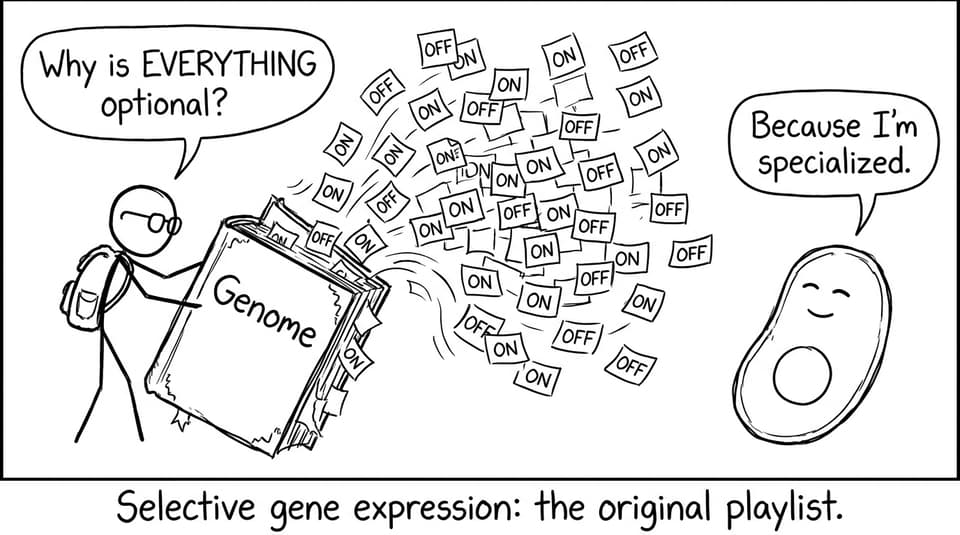
Every cell in a multicellular organism contains the same DNA, yet brain cells, muscle cells, liver cells, and skin cells all look and function differently. This remarkable diversity exists because different cells express different subsets of genes. Understanding how and why this selective gene expression occurs is key for IB Biology students studying cell specialization, development, and gene regulation.
While all cells share the full genome, only a fraction of genes is active in each cell type. The rest are silenced. This selective expression is controlled by multiple regulatory mechanisms, beginning with transcription factors, which activate or repress specific genes. Each cell type produces a unique combination of transcription factors, shaping which genes are switched on and off. For example, muscle cells express transcription factors that activate myosin genes, while neurons express genes involved in synaptic transmission.
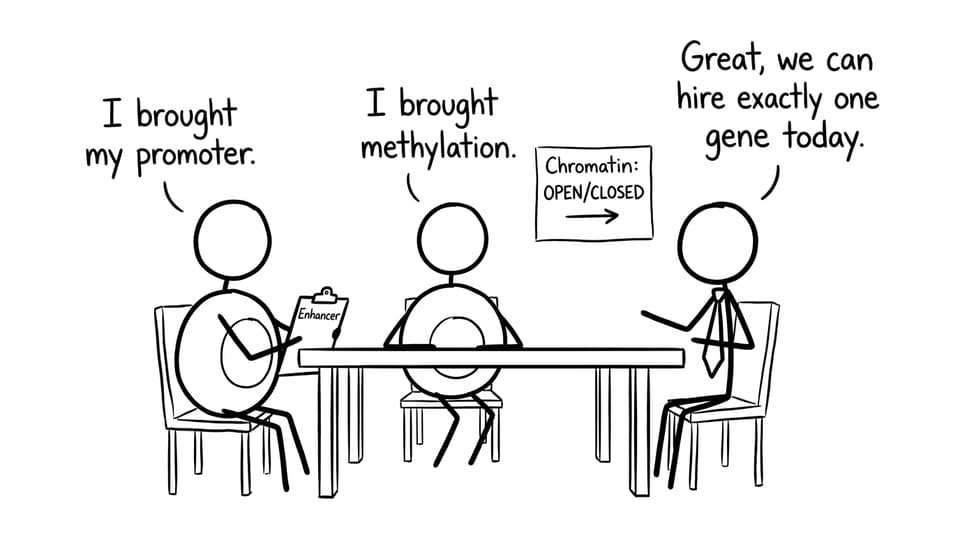
Another key mechanism is epigenetic modification. Chemical tags such as DNA methylation and histone modification alter chromatin structure without changing the DNA sequence. Tightly packed chromatin (heterochromatin) prevents gene expression, while loosely packed chromatin (euchromatin) promotes it. These epigenetic marks are passed on during cell division, helping daughter cells maintain the same identity and function as their parent cells.
External signals also influence gene expression. Hormones, nutrients, temperature changes, and signaling molecules can activate or deactivate genes through intracellular pathways. For example, insulin triggers the activation of genes involved in glucose uptake. Cells integrate these signals to adjust their gene expression profiles dynamically.
During development, gene expression is carefully choreographed. As embryonic cells divide, they receive signals that trigger different gene expression patterns. These patterns guide cells into specific lineages, producing specialized tissues and organs. Once committed, cells maintain their identity through stable regulatory networks that reinforce the same subset of expressed genes.
Cellular environment also contributes. For instance, oxygen levels can activate hypoxia-inducible factors, turning on genes that help cells survive low oxygen conditions. Mechanical stress, nutrient levels, and neighboring cells all shape gene expression in context-specific ways.
Importantly, cells express different genes to optimize their function. A red blood cell does not need the same enzymes as a liver cell, and a neuron has no use for digestive enzymes. Specialization allows organisms to divide labor across tissues, increasing efficiency and enabling complex multicellular life.
In summary, different cells express different subsets of genes due to transcription factors, epigenetic regulation, environmental signals, developmental cues, and functional specialization.
FAQs
If all cells have the same DNA, how can they be so different?
Cells differ because they express different genes. Only the genes needed for a cell’s specific role are activated, while others remain silent.
Are epigenetic changes permanent?
Some are long-lasting and maintain cell identity across divisions, while others are reversible and respond to environmental conditions.
Can gene expression patterns change?
Yes. Cells can adjust gene expression in response to signals, stress, or developmental cues. However, specialized cells generally maintain stable expression profiles.
Master Gene Regulation with RevisionDojo
RevisionDojo provides clear, structured explanations that help IB Biology students understand gene expression, specialization, and cellular regulation. Improve your revision efficiency and build exam confidence with RevisionDojo’s student-friendly approach.