

If IB Biology revision feels like carrying a whole ecosystem in your head, you are not imagining it. One day you are confident about membranes, the next you cannot remember whether aquaporins help water move in or out. The problem is not your ability. It is the method. IB Biology rewards students who can retrieve ideas on demand, under time pressure, across unfamiliar contexts.
Flashcards work because they turn “I recognise this” into “I can produce this.” And in IB Biology, that difference is basically the exam.
The IB Biology flashcard checklist (keep it simple)
Before you build a 200-card mountain, use this quick checklist:
-
Use flashcards for definitions, processes, comparisons, and cause/effect in IB Biology.
-
Keep cards atomic: one idea per card.
-
Study in short bursts (10-20 minutes) and return later.
-
Track weak cards and revisit them more often.
-
Pair flashcards with exam-style practice so recall becomes application.
If you want the all-in-one setup, start from the IB Biology hub on RevisionDojo: IB Biology resources.
Why flashcards matter for IB Biology (and why rereading fails)
Most students “revise” IB Biology by rereading notes and feeling a temporary sense of familiarity. That feeling is comforting, but it is not performance. Exams do not ask whether a sentence looks familiar. They ask you to retrieve and use it.
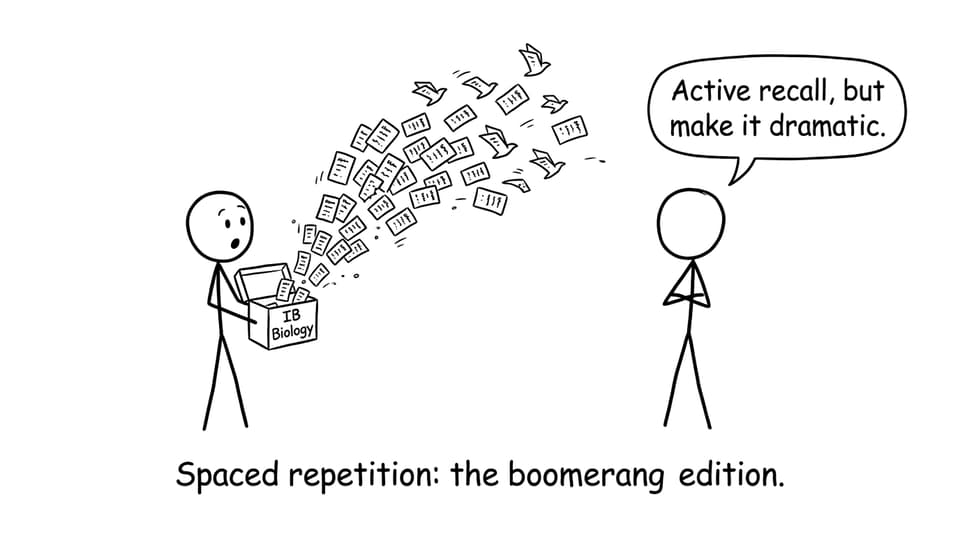
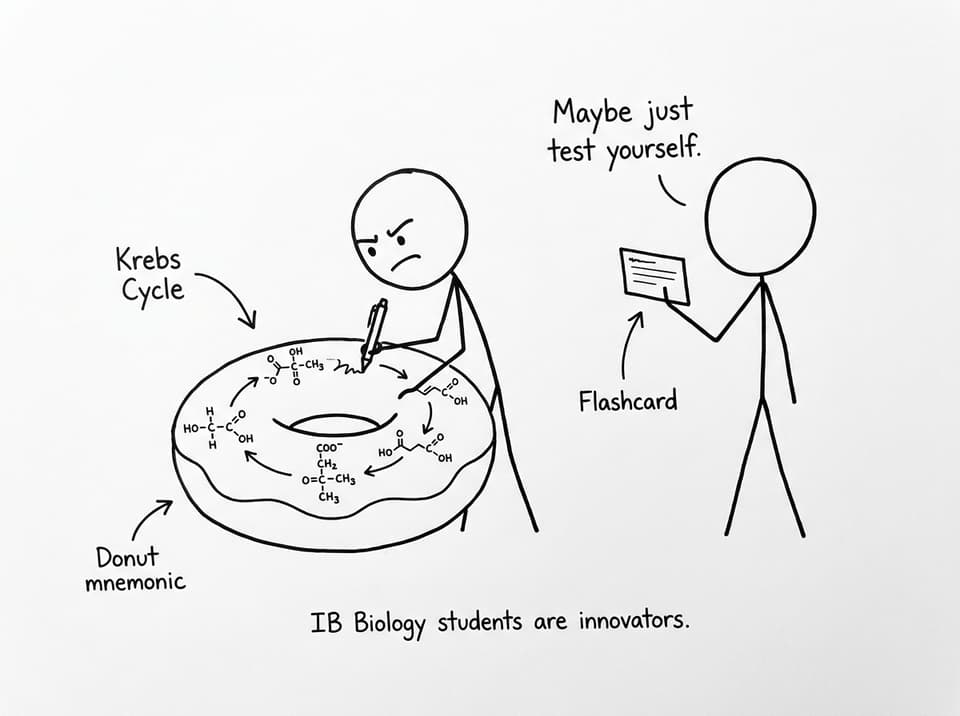
Flashcards force active recall: you face a question, you attempt an answer, and only then you check. That small moment of struggle is where long-term memory forms.
On RevisionDojo, flashcards are built around this idea. You can explore the platform-wide system here: IB Flashcards with spaced repetition. And when you miss a card, AI Chat can explain the same concept in a different way, which is often what unlocks it.
Choose the right IB Biology flashcard decks (topic-first, not panic-first)
A good IB Biology flashcard session starts with the right scope. Pick one syllabus area, then commit to it for a week.
Try these RevisionDojo decks/pages as anchors:
If you want a broader set to browse, go straight to: Biology Flashcards or the grouped deck page B, Form and Function flashcards.
Run flashcard sessions that actually stick (SRS + short bursts)
The best IB Biology flashcard routine is boring in the right way: consistent, brief, and repeatable.
-
Do 15 minutes in the morning: first exposure.
-
Do 10 minutes later: quick retrieval.
-
Do 10 minutes the next day: strengthen the pathway.
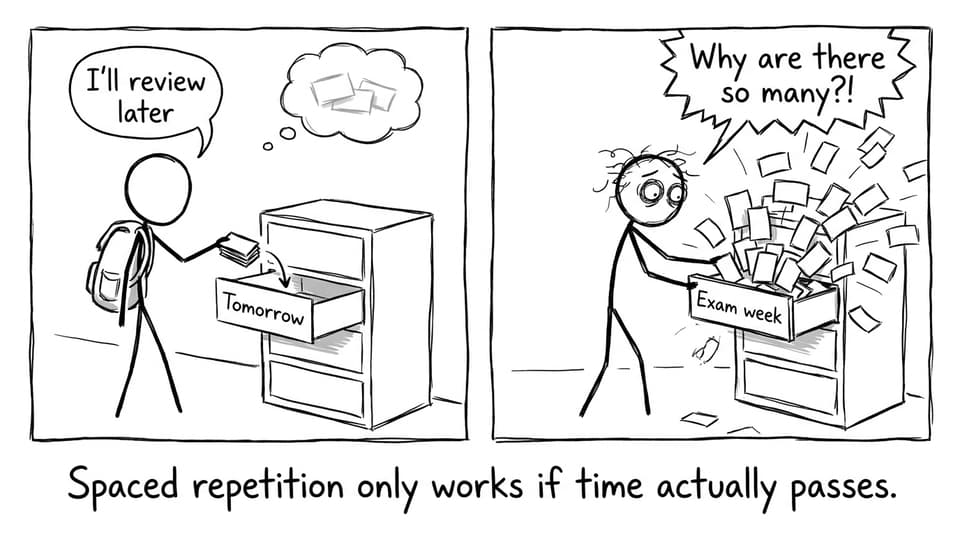
This is spaced repetition in practice. Hard cards should return more often; easy cards should fade into the background. RevisionDojo’s Flashcards are built for this rhythm, and you can use the review loop alongside Study Notes when a card feels like noise instead of meaning. For example, if transport is shaky, read first, then review: B2.1 Membranes and membrane transport notes.
Combine IB Biology flashcards with Questionbank (where marks are made)
Flashcards give you recall. The Questionbank gives you marks. After a session on membranes, prove it with exam-style questions:
-
Or zoom in on skills like transport questions: 1.4 Membrane transport questionbank
When you miss a question, make a new flashcard from the mistake (or edit an existing one). This is where RevisionDojo’s ecosystem shines: Questionbank for targeted practice, Flashcards for retention, AI Chat for quick explanations, and Grading tools when you want feedback that feels closer to examiner logic.
Conclusion: make IB Biology recall automatic
The quiet goal of IB Biology revision is not to “know” the topic. It is to make the right ideas show up on command, even when you are tired, timed, and second-guessing yourself.
Start small: pick one topic deck, review it for a week, then prove it in the Questionbank. If you want an organised place to do all of that, RevisionDojo gives you the full loop: Flashcards, Study Notes, Questionbank, AI Chat, Grading tools, plus Predicted Papers, Mock Exams, a Coursework Library, and Tutors when you need extra help.
Open the hub and begin with one deck today: IB Biology resources.