
The moment before you sprint, jump, or even turn a page, there’s a quiet decision in your brain. It feels instantaneous. But for IB SEHS, that instant is a chain of events: electrical signals, chemical messengers, and muscle fibres waiting for permission to pull.
If you can explain that chain clearly, you don’t just “know the content” -- you can earn marks fast.
IB SEHS quick checklist: what to include
Use this as your mini-plan for any IB SEHS short-answer:
-
Start at the CNS (brain/spinal cord) sending a motor command
-
Name the motor neuron (efferent pathway)
-
Define a motor unit (one motor neuron + its muscle fibres)
-
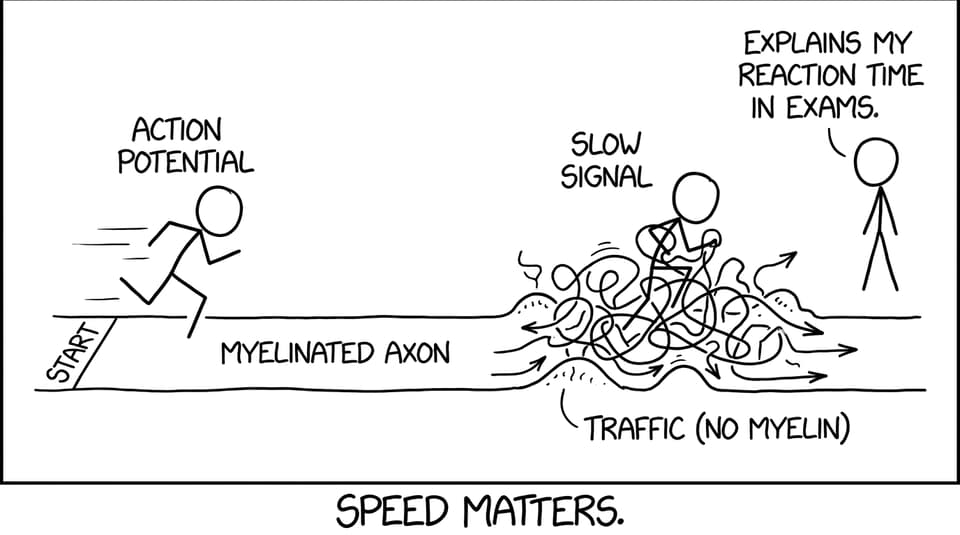
Describe an action potential travelling down the neuron
-
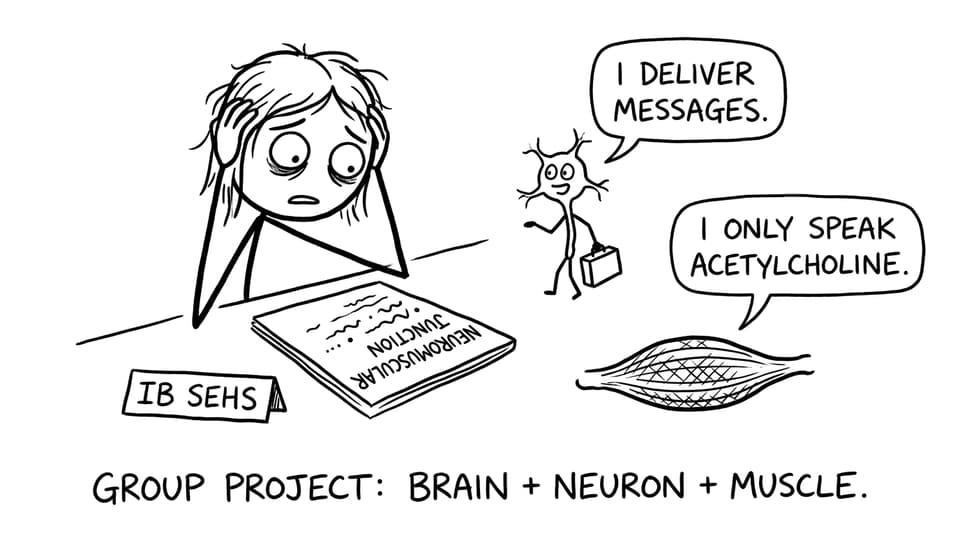
Explain the neuromuscular junction (NMJ) and acetylcholine (ACh)
-
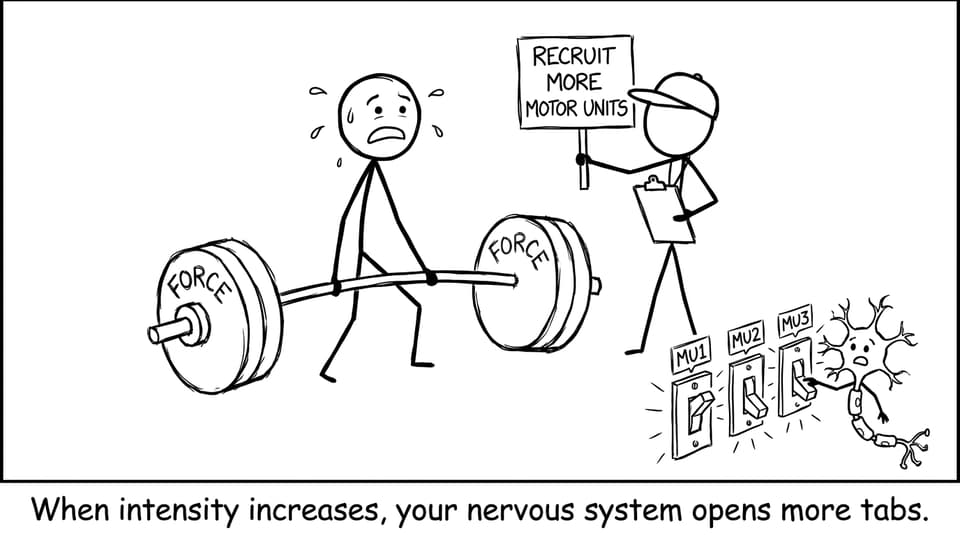
Link to force control via motor unit recruitment
Helpful refreshers while you revise:
Motor neurons and motor units (a favorite IB SEHS mark source)
In IB SEHS, motor neurons are the messengers that carry instructions from the CNS to skeletal muscle. The examiner usually wants two phrases: and .