

Introduction to Forces in Sport
Forces are central to understanding how movement occurs in sport. In IB Sports, Exercise and Health Science (SEHS), forces explain why objects and bodies move, accelerate, decelerate, or change direction. Every sporting action, from sprinting to striking a ball, involves forces acting on the body or an object.
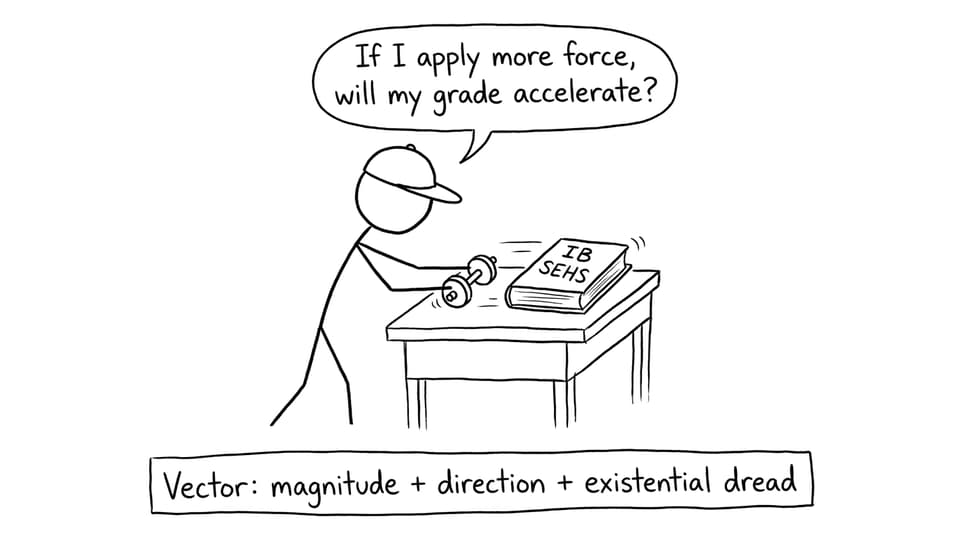
A force is defined as a push or a pull that can cause a change in motion or shape. In IB SEHS, students must understand not only what a force is, but also how forces affect performance and technique.
What Is a Force?
A force occurs when one object interacts with another. In sport, forces are generated internally by muscles or externally by contact with surfaces, equipment, or opponents.
Key characteristics of forces include:
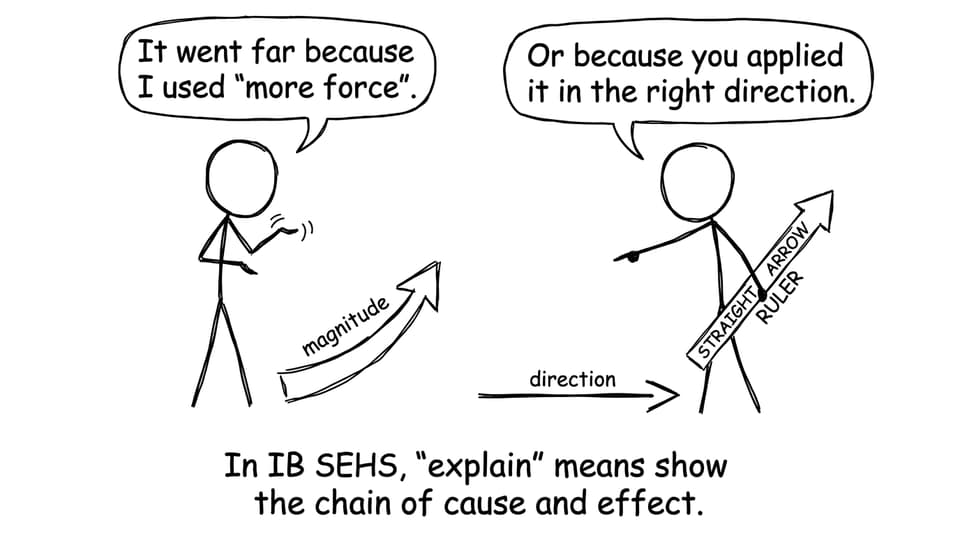
- They have size (magnitude)
- They have direction
- They can act over a short or long time
Understanding these characteristics helps explain why different techniques produce different movement outcomes.
Internal and External Forces
In IB SEHS, forces are often classified as internal or external.
Internal forces:
- Produced by muscles
- Cause movement at joints
- Responsible for body motion
External forces:
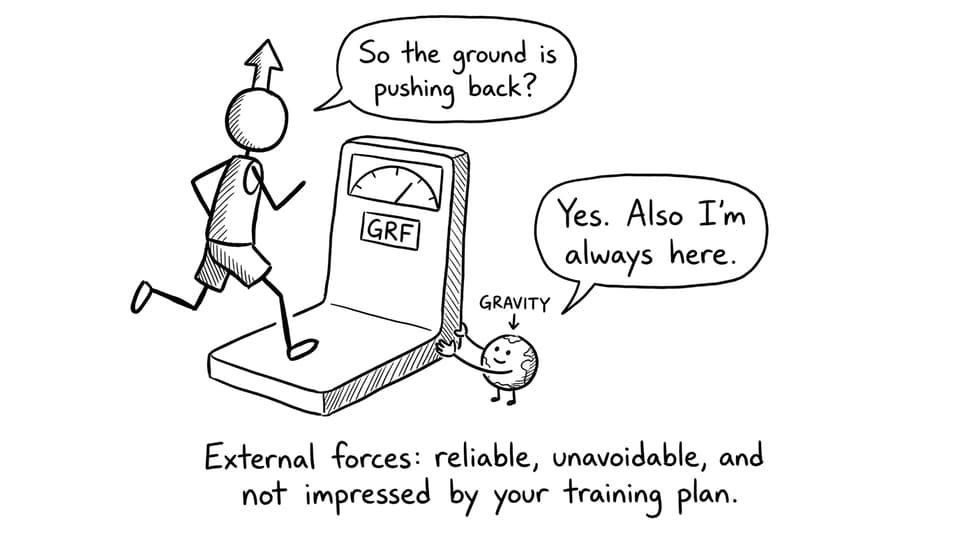
- Act on the body from outside
- Include gravity, friction, air resistance, and contact forces
Most sporting movements involve an interaction between internal and external forces.
How Forces Affect Motion
Forces affect motion in three main ways:
- Starting movement
- Changing speed (acceleration or deceleration)
- Changing direction
For example, a sprinter applies force against the ground to accelerate forward. A football player applies force to the ball to change its speed and direction. In IB SEHS, linking force application to changes in motion is essential.
Forces and Performance
Performance in sport often depends on how effectively forces are applied. Greater or more precisely directed forces can lead to:
- Faster acceleration
- Higher jumps
- Greater throwing or striking distance
However, applying force inefficiently can waste energy or increase injury risk. This is why technique and biomechanics are closely linked to force production.
Exam Relevance for IB SEHS
Forces are foundational for later topics such as Newton’s laws, momentum, and projectile motion. In IB exams, students should be able to define forces, identify types of forces in sport, and explain how they affect motion and performance.
Avoid vague statements such as “more force means more movement” without explaining how motion changes.
RevisionDojo Call to Action
If forces and motion feel abstract or difficult to apply, RevisionDojo helps IB SEHS students break biomechanics into clear, exam-focused explanations with applied examples. It is the most effective way to master forces in sport with confidence.
Frequently Asked Questions (FAQs)
What is a force in IB SEHS?
A force is a push or pull that can change the motion or shape of an object or body.
What is the difference between internal and external forces?
Internal forces are produced by muscles, while external forces act on the body from the environment, such as gravity or friction.
How are forces tested in IB SEHS exams?
Students are often asked to explain how forces cause changes in motion or apply force concepts to sporting movements.