


Common IB Mistakes in Movement Generation
Movement generation is a core area of biomechanics in IB Sports, Exercise and Health Science (SEHS), yet it is one of the topics where students frequently lose marks. These errors usually stem from vague explanations, incorrect terminology, or failure to apply concepts to real movement scenarios.
Understanding common mistakes helps students refine their answers and produce clearer, higher-scoring responses in IB exams.
Confusing Muscle Contraction Types
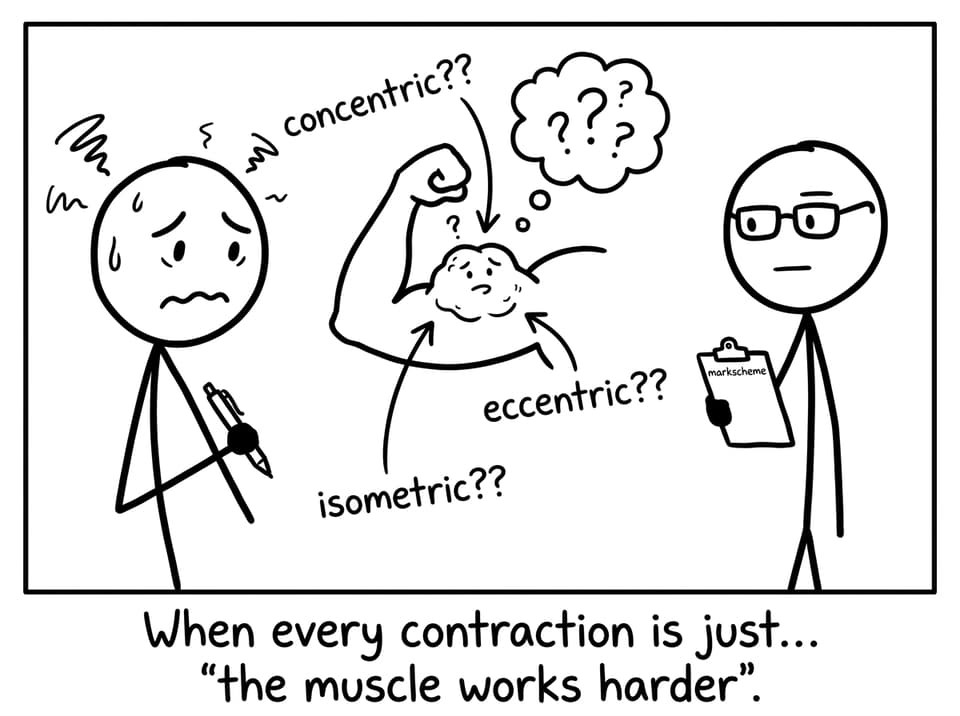
One of the most frequent mistakes is mixing up concentric, eccentric, and isometric muscle contractions.
Common errors include:
- Saying a muscle shortens during eccentric contraction
- Failing to identify whether movement is occurring
- Describing contractions without referencing muscle length
High-mark answers clearly state what happens to muscle length and joint movement for each contraction type.
Incorrect Identification of Agonist and Antagonist Muscles
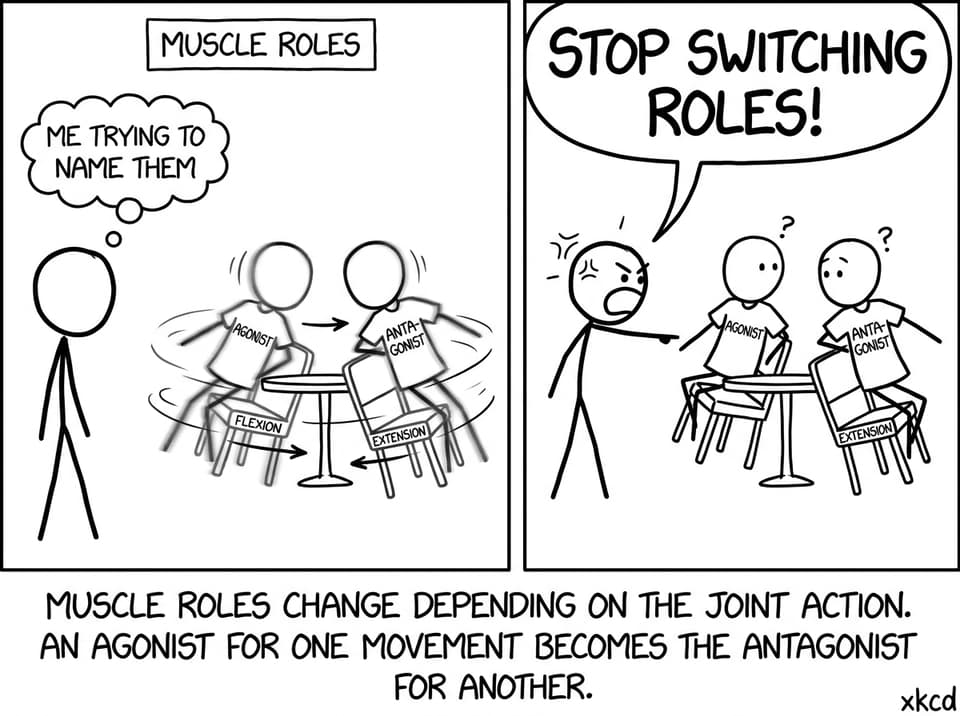
Another common issue is incorrectly naming or describing muscle roles during movement.
Typical mistakes include:
- Naming the wrong agonist for a movement
- Forgetting the role of the antagonist
- Stating that antagonists are inactive
In IB SEHS, students should explain how antagonists often perform eccentric contractions to control and stabilise movement.
Overlooking Neural Control
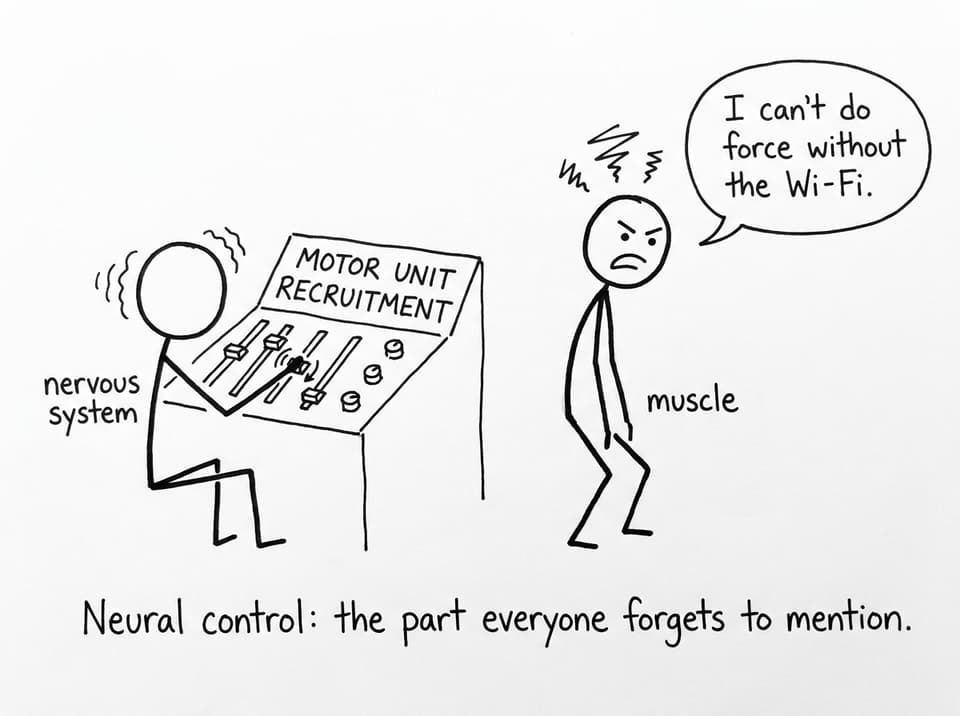
Many students focus only on muscles and ignore the role of the nervous system in movement generation.
Common omissions include:
- Not mentioning motor units
- Ignoring motor unit recruitment
- Failing to link force production to neural activation
IB examiners reward answers that integrate nervous system control with muscle action.
Using Vague or Non-IB Language
Using general terms instead of IB-specific terminology often results in lost marks.
Examples of weak language include:
- “The muscle works harder”
- “The brain sends signals”
- “More power is used”
Instead, high-mark answers use precise terms such as motor unit recruitment, force production, and contraction type.
Lack of Application to Movement
A major source of mark loss is failing to apply movement generation concepts to actual sporting actions.
To improve answers:
- Refer to specific joints or movements
- Apply concepts to sporting examples
- Explain how movement efficiency or performance is affected
Applied explanations score higher than theoretical descriptions.
How to Avoid These Mistakes
To improve biomechanics answers:
- Practise identifying contraction types in movements
- Use correct IB terminology consistently
- Always link explanations to real movement scenarios
Clear structure and application significantly improve exam performance.
RevisionDojo Call to Action
If movement generation questions keep costing you marks, RevisionDojo helps IB SEHS students identify and fix common biomechanics errors with clear explanations and exam-style practice. It is the most effective way to turn mistakes into strengths.
Frequently Asked Questions (FAQs)
Why do students lose marks on movement generation questions?
Most mark losses come from incorrect terminology, vague explanations, or failure to apply concepts to movement scenarios.
How detailed do biomechanics answers need to be?
Answers should be precise and applied, explaining how movement is generated and controlled rather than listing definitions.
How can I improve movement generation answers?
Regular practice using exam-style questions and focusing on structure, terminology, and application is key.