


If you have ever stared at a low score and thought, I’m just not good at this, the MYP has a quiet counterargument: a single moment is not the full story.
In some systems, early setbacks turn into a permanent identity. In MYP, they are treated more like a rough first draft. You are allowed, by design, to improve, to learn the rules of the game, and to show growth before the final judgement lands.
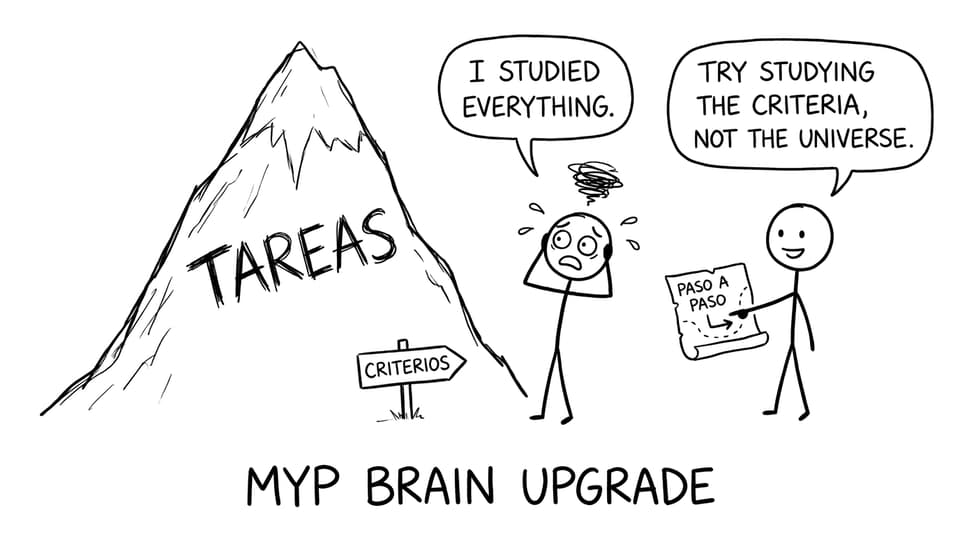
The MYP support checklist (use this before you panic)
When you’re struggling academically in MYP, run this quick checklist:
-
Do I know which MYP criteria (A to D) this task is actually assessing?
-
Have I read the descriptors and translated them into a short “to do” list?
-
Did I use feedback to change one specific skill for the next task?
-
Am I practicing with realistic questions (not just rereading notes)?
-
Do I have a simple weekly routine I can repeat?
If two or more answers are “no,” the issue is usually strategy, not intelligence.
MYP rewards growth, not first impressions
A major reason MYP supports students who struggle academically is its emphasis on best-fit achievement over time. An early weak performance can be outweighed by stronger later evidence, because the goal is to measure what you can consistently do.
That single design choice changes everything. It creates breathing room for students who need longer to adjust to new subjects, new teachers, or the speed of school life.
If you want a clear overview of how the system works, start with the Middle Years Program (MYP) hub and then read How Are IB MYP Students Graded? Criteria Explained.
Criteria make expectations visible (and that lowers stress)
Many students “struggle” because school feels like guessing what the teacher wants. MYP reduces that guesswork by publishing criteria and descriptors in advance.
Once you learn to read criteria like a map, you stop revising blindly. You start revising toward marks.
A practical starting point is Creating Rubrics Aligned with IB Criteria in the MYP. And if you want examples of what criteria look like in real subjects, browse MYP Science Criteria Explained With Real Examples or MYP Language and Literature Assessment Criteria Explained.
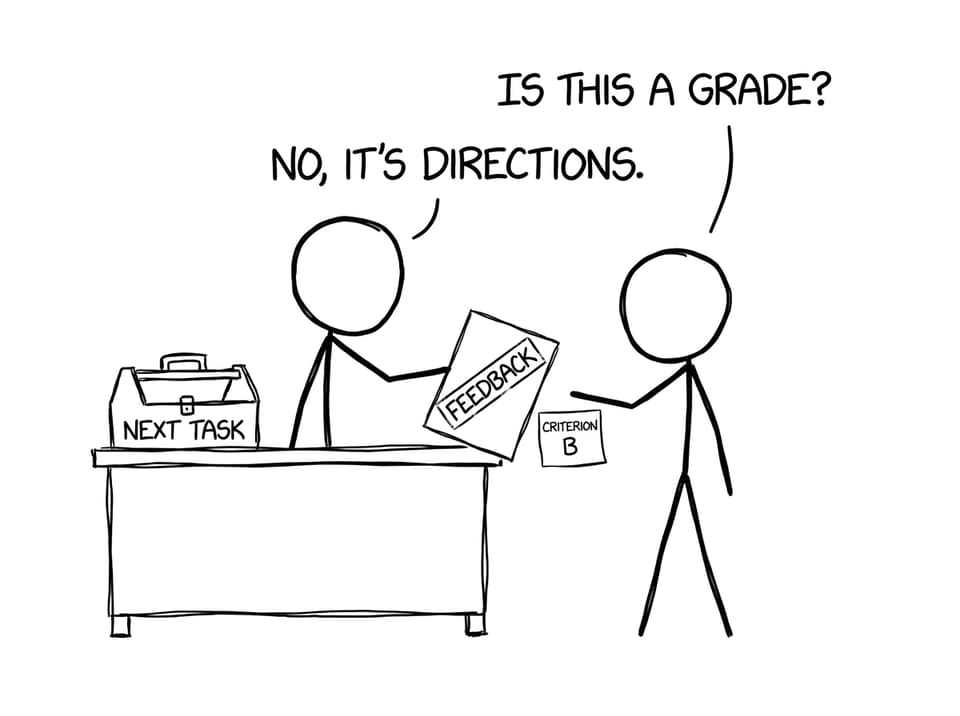
Feedback loops are built into MYP (if you actually use them)
In MYP, feedback is supposed to be reused. A mark is just the snapshot; the real value is the comment that tells you which criterion dropped.
Here’s what struggling students can do differently this week:
-
Pick one criterion (for example, Criterion B) to improve
-
Do a short practice task targeting that criterion
-
Rewrite one response using the descriptor language
-
Repeat the same skill 48 hours later
That is exactly the kind of loop RevisionDojo is designed to make easy: use the Questionbank for targeted practice, build recall with Flashcards, ask AI Chat why a response missed marks, and use Grading tools when you need rubric-style feedback on longer writing.
To plan this properly for assessments, MYP eAssessments: 30-Day Study Plan That Works is a strong structure to borrow.
Multiple ways to show understanding helps different learners
Another reason MYP supports students who struggle academically is flexibility in how understanding can appear. Depending on the subject and task, you may be assessed through investigations, products, written explanations, reflections, or applied problem-solving.
That matters because some students are weaker at memorisation but strong at reasoning, design, or real-world application. MYP gives those students a way back into confidence.
If you’re trying to practise task types without getting overwhelmed, use Sample MYP Assessment Tasks for Every Subject Group and pair it with RevisionDojo Mock Exams and Predicted Papers for timed realism (without turning revision into random grinding).
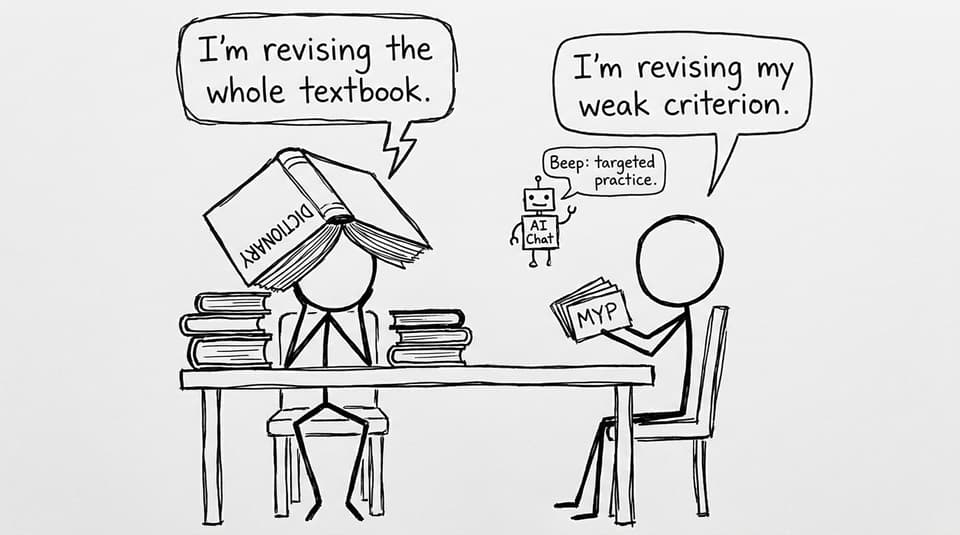
A simple MYP revision routine for students who feel behind
Try this four-step routine for MYP exam prep (45-60 minutes):
-
10 min: targeted Study Notes (one concept only)
-
20 min: Questionbank set on that concept
-
10 min: review mistakes and rewrite one answer using criteria language
-
10 min: Flashcards (only your weakest definitions)
If you keep it small, you can keep it consistent. And consistency is what MYP grading quietly rewards.
Closing: MYP was built for the comeback
The hidden gift of MYP is that it does not treat struggle as failure. It treats it as part of development, uneven, human, and fixable.
If you want that comeback to happen faster, build your loop in RevisionDojo: targeted Questionbank practice, clear Study Notes, Flashcards for recall, AI Chat for confusion, Grading tools for rubric-aligned improvement, plus Mock Exams, Predicted Papers, and Tutors when you need structure and calm. In MYP, you don’t need to work harder. You need to work more precisely.