


In IB Biology, mitochondria can feel like that one topic you almost understand until someone mentions “chemiosmosis” and your brain quietly exits the room. But here’s the comforting truth: mitochondrial efficiency is not random. It’s engineered by structure, spacing, and smart energy control. Once you see the design logic, exam questions start to look less like riddles and more like predictable patterns.
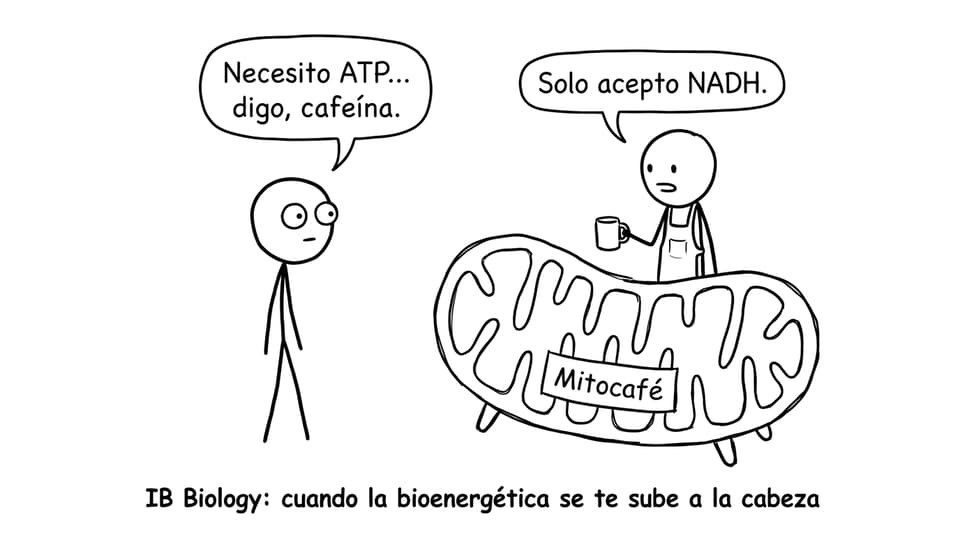
IB Biology quick checklist: what makes ATP production efficient?
For IB Biology exams, you can usually explain mitochondrial efficiency using five linked ideas:
-
Double membrane creates controlled conditions
-
Cristae increase inner membrane surface area
-
Proton gradient stores potential energy
-
Electron transport chain transfers energy in small, usable steps
-
Matrix enzymes and mitochondrial DNA speed up supply and repair
If you want a broader refresher on what mitochondria do, start with What Is the Function of Mitochondria?.
Cristae: more inner membrane, more ATP machinery
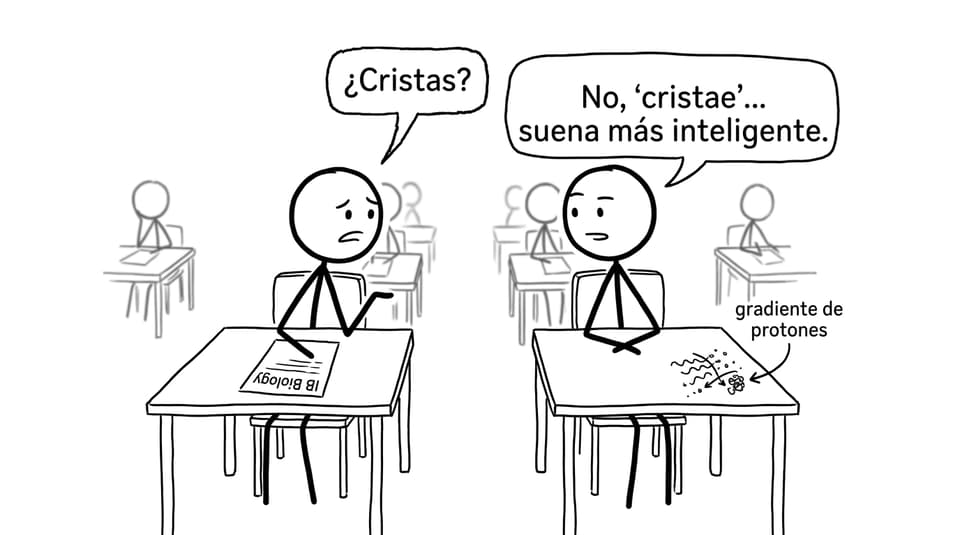
Efficiency begins with geometry. The inner membrane is folded into cristae, and in IB Biology that detail matters because the electron transport chain and ATP synthase are embedded there. More folds == more surface area == more space for those protein complexes to operate simultaneously.
When an exam question asks why cristae matter, you’re not just describing a shape. You’re describing capacity. It’s like adding extra lanes to a highway: same distance, far more traffic flow.
To practice the way IB asks this, try B2.2 Organelles and compartmentalization - IB Questionbank.
Compartmentalization: the proton gradient is the whole point
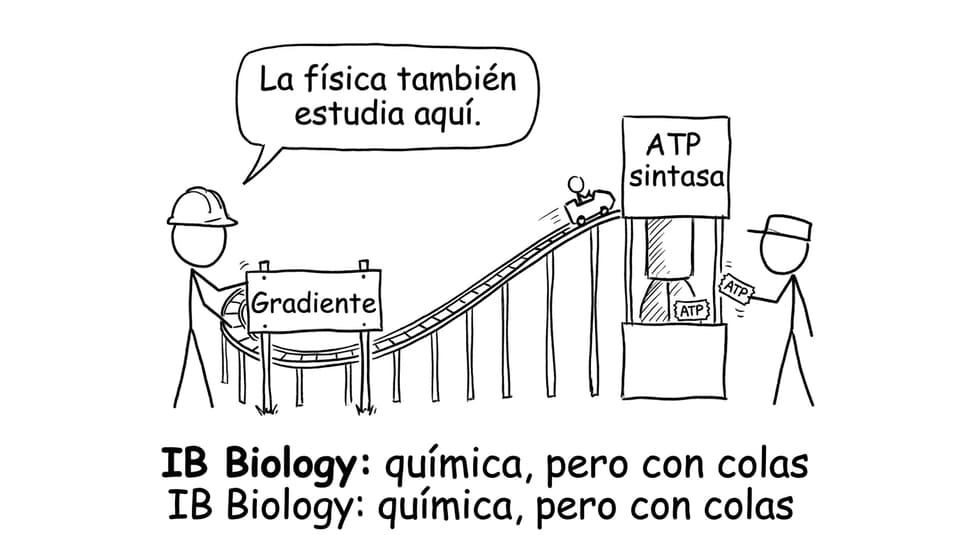
In IB Biology, “compartmentalization” is often tested as a concept, not just a definition. Mitochondria split space into the matrix and the intermembrane space. That separation allows a steep proton gradient to form across the inner membrane.
Here’s the exam-friendly chain:
-
Electrons move along the ETC in the inner membrane
-
Energy released pumps H+ from matrix to intermembrane space
-
H+ accumulates (electrochemical gradient)
-
H+ flows back through ATP synthase
-
ATP synthase phosphorylates ADP to ATP
If you want a syllabus-aligned explanation of these adaptations, see IB Biology Topic B2.2.4: Adaptations of the Mitochondrion for Production of ATP.
The ETC: stepwise energy transfer prevents waste
A common misunderstanding in IB Biology is thinking the electron transport chain is “efficient” because it’s fast. It’s efficient because it’s stepwise.
Instead of releasing energy in one burst (which would dissipate as heat), electrons pass through a series of complexes. Each handoff releases manageable packets of energy used to pump protons. This is controlled conversion: chemical energy to gradient potential energy to ATP.
To strengthen the NADH-to-ETC link (especially useful for HL), use C1.2.13 Transfer of energy by reduced NAD (HL).
Matrix enzymes: tight proximity speeds the pipeline
The matrix contains enzymes for the Krebs cycle that generate NADH and FADH2. In IB Biology terms, those molecules are the “electron delivery trucks” that keep the ETC running.
Because Krebs cycle enzymes are in the same organelle as the ETC, reduced carriers don’t have far to travel. Less transport friction, fewer delays, and a smoother flow of electrons means oxidative phosphorylation can keep producing ATP steadily.
For a full respiration overview, visit 2.8 Cell respiration (notes) or the hub page C1.2 Cell respiration.
Mitochondrial DNA: quick repairs for essential proteins
In IB Biology, mitochondrial DNA is not trivia. It supports the idea that mitochondria can produce some crucial proteins locally, helping maintain the ETC and ATP synthase. When demand rises or components wear out, that partial autonomy supports faster replacement than relying entirely on nuclear instructions.
This also connects cleanly to evolution. If you need the link to endosymbiosis evidence, read How Mitochondria and Chloroplasts Provide Evidence for Endosymbiosis.
A strong final takeaway for IB Biology students
Mitochondria maximize ATP efficiency by turning space into strategy: cristae expand the working surface, membranes protect the proton gradient, the ETC releases energy in controlled steps, and matrix enzymes feed the system with NADH and FADH2. That’s the story IB Biology examiners want you to tell.
When you’re ready to lock this in, use RevisionDojo as your home base: study with Study Notes, drill with the Questionbank, and reinforce understanding using Flashcards, AI Chat, Grading tools, Predicted Papers, Mock Exams, the Coursework Library, and Tutors. The goal isn’t just to memorize mitochondria. It’s to explain efficiency calmly, clearly, and under pressure, exactly how IB rewards marks.