



It’s strange how language works in your head.
You can know a phrase. You can even recognize it instantly on a reading paper. But the moment you have to say it out loud, your brain starts acting like it’s never seen a verb before.
That gap: between recognition and real-time speaking; is where most IB Languages students feel stuck. The good news is that you don’t need marathon sessions to close it. You need the right frequency, a few repeatable drills, and feedback that matches how IB Languages assessments actually reward speaking.
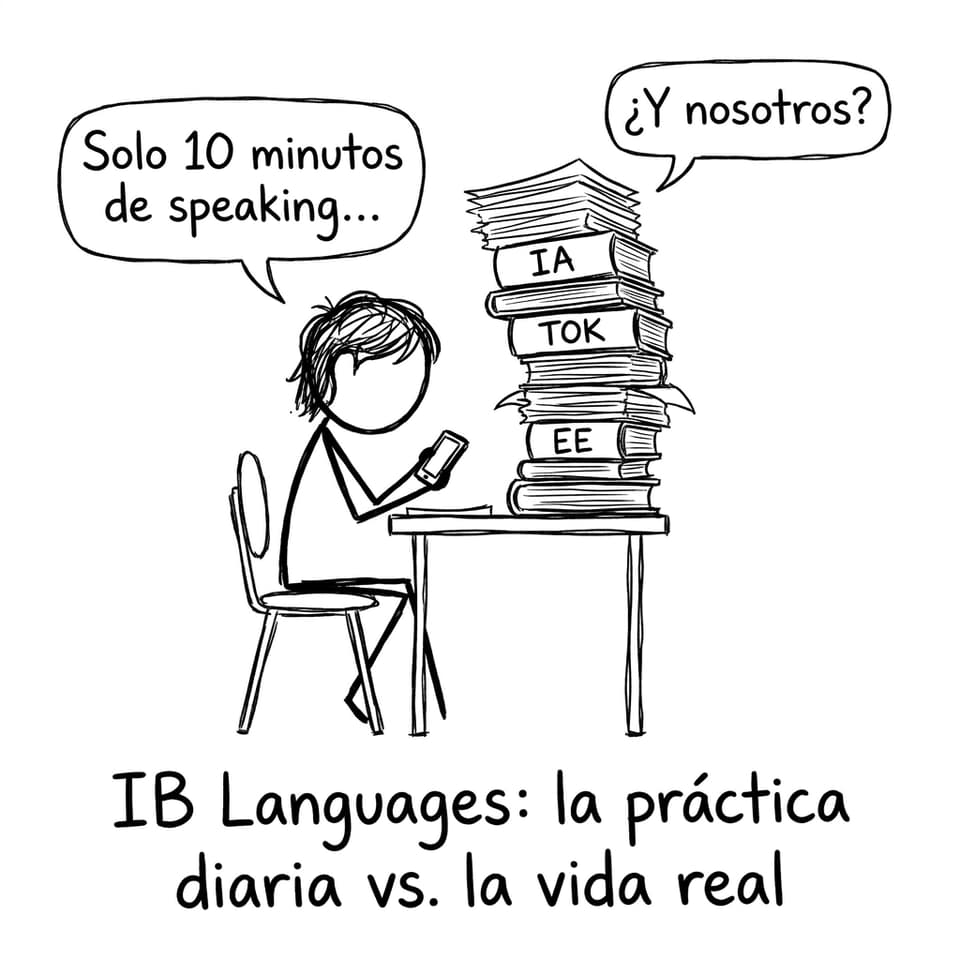
The short answer for IB Languages students
For most IB Languages learners (Language B or ab initio), the best schedule is:
-
5 days per week of short speaking (10-20 minutes)
-
1 longer session per week (30-60 minutes) for deeper practice
-
1 recovery day where you only listen/read and collect phrases
Why this works: your oral skills improve through repeated exposure to the same pressure you feel in class and exams; finding words quickly, recovering from mistakes, and staying coherent.
If you’re doing Language B, build your routine around oral structures and themes. If you’re doing ab initio, build it around survival communication and clean, simple accuracy. RevisionDojo’s guides on course choice help you calibrate expectations: What is Ab Initio in the IB Program? and Language B vs. Language Ab Initio.
Why “a little often” beats “a lot sometimes”
Speaking is not just vocabulary. It’s timing.
When you speak, you’re doing several things at once: retrieving words, selecting grammar, managing pronunciation, and deciding what to say next. In IB Languages, that juggling act is exactly what examiners hear.
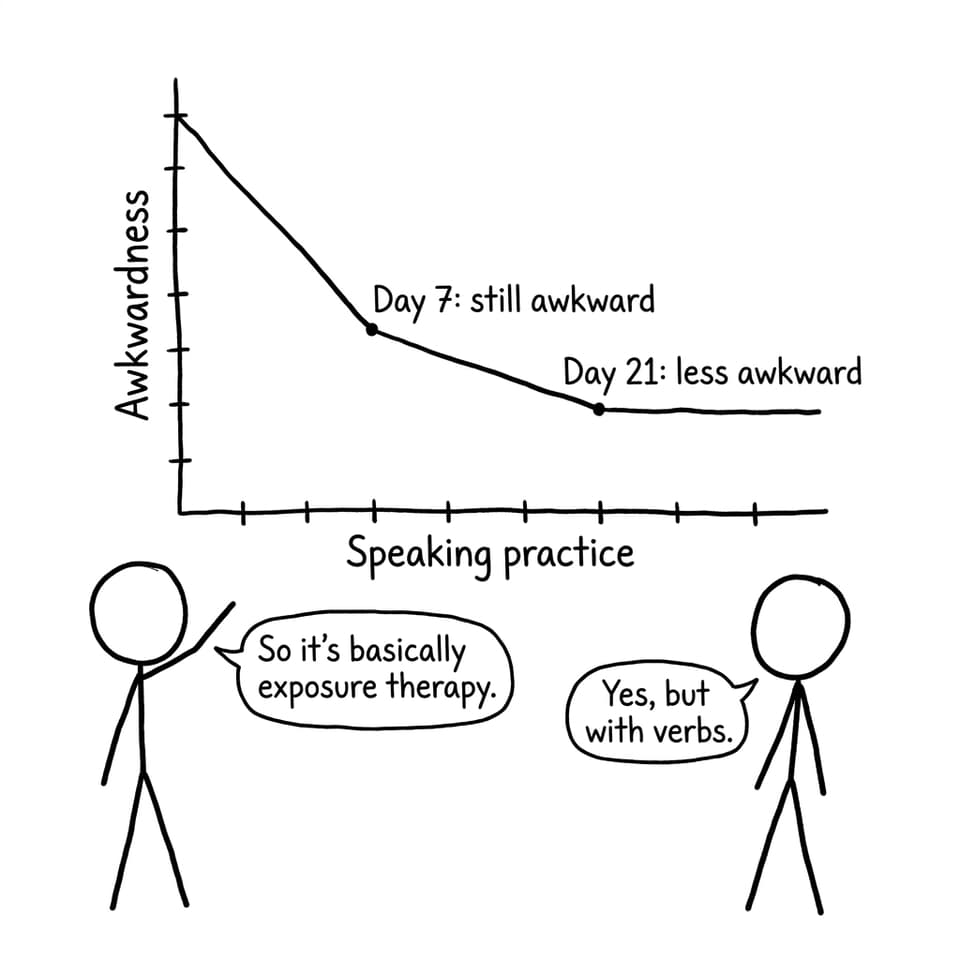
Daily speaking creates a small, repeatable discomfort. And discomfort is a form of training data.
A useful mental shift: don’t aim to “sound fluent.” Aim to stay moving even when you’re not.
A weekly speaking routine that fits IB life
Daily (10-20 minutes): “timer + topic”
Pick one theme (identities, experiences, human ingenuity, etc.) and speak with a timer.
Try:
-
2 minutes: describe a photo or situation
-
2 minutes: give an opinion + one example
-
2 minutes: add a counterpoint or limitation
If you need structure for Language B oral practice, use Mastering Language B Oral Practice and How to Improve Your Language B Speaking Skills.
Weekly (30-60 minutes): “feedback loop session”
This is where progress becomes obvious.
-
Record one full response.
-
Review it once for clarity and structure.
-
Redo it immediately, cleaner and calmer.
If you want this to feel like an exam rehearsal, follow IB Oral Practice Schedule and use IB Oral Recording Platform for rubric-aligned feedback.
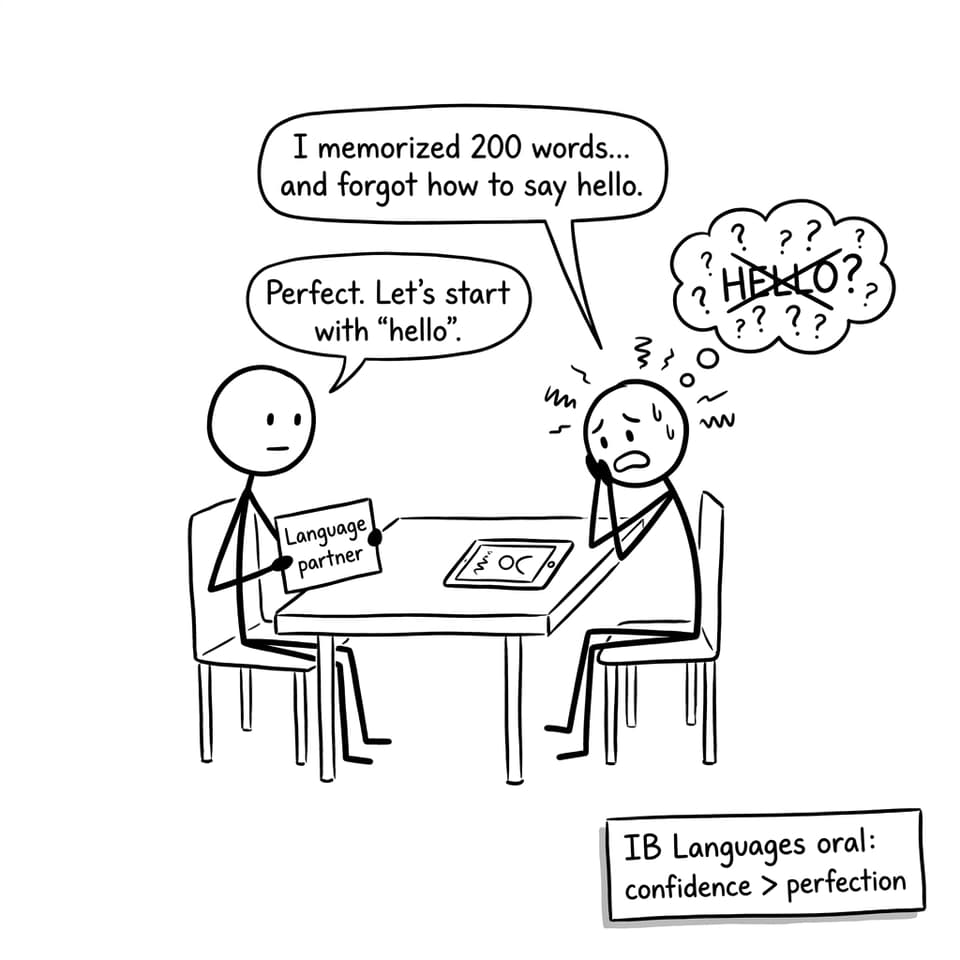
Partner practice (1-2 times per week): “controlled conversation”
A partner helps most when it’s not random chatting.
Use a simple pattern:
-
3 minutes: you explain a view
-
2 minutes: partner challenges it
-
2 minutes: you respond and conclude
If you don’t have someone yet, start here: How to Find a Study Partner for Your Ab Initio Language Learning.
How RevisionDojo makes speaking practice easier
Most students don’t fail IB Languages because they didn’t work hard. They fail because their practice isn’t measurable.
On RevisionDojo, you can make speaking practice tangible:
-
Build theme vocabulary with Flashcards and tight Study Notes
-
Train with Mock Exams and Predicted Papers to keep every skill aligned
-
Use AI Chat to generate prompts and follow-up questions when you’re tired
-
Use Grading tools for structured feedback so your improvements aren’t guesswork
-
Fill gaps with the Questionbank, then revisit weak points with targeted drills
-
When you need a human ear, add support from Tutors
For students balancing multiple assessments, the bigger win is emotional: it turns speaking into a routine, not a performance.
The takeaway: a schedule you can actually keep
If you’re serious about improving speaking, treat it like brushing your teeth: small, frequent, non-negotiable. That’s the rhythm that builds calm fluency for IB Languages.
Start this week with 10 minutes a day, one longer session, and one recording you’re brave enough to listen to. Then use RevisionDojo to turn those minutes into results, with with Flashcards for vocabulary, AI Chat for prompts, Grading tools for feedback, and exam-aligned practice that keeps every IB Languages skill moving in the same direction.