
If you have ever whispered a brand-new sentence in your ab initio language and immediately thought, “That sounded like a robot apologizing,” you are not alone. In the IB, language learning is supposed to feel practical and human. But studying alone can turn it into a silent grind: you memorize vocab, you do a few exercises, and you still freeze the moment you have to speak. A study partner changes that. Not because they are magically fluent, but because they make the process real, consistent, and surprisingly lighter.
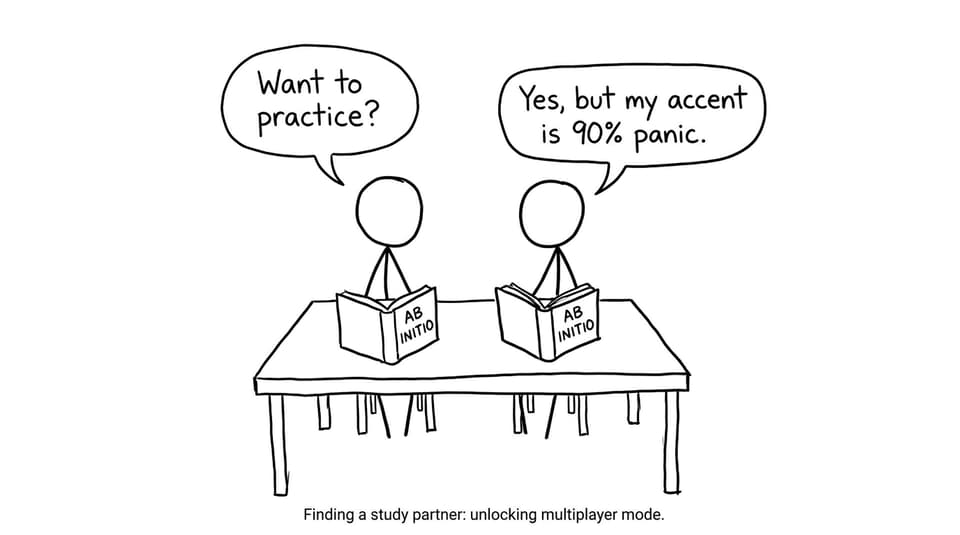
Why an IB ab initio study partner works
A good study partner is less about “having someone to study with” and more about building a system you cannot quietly escape.
-
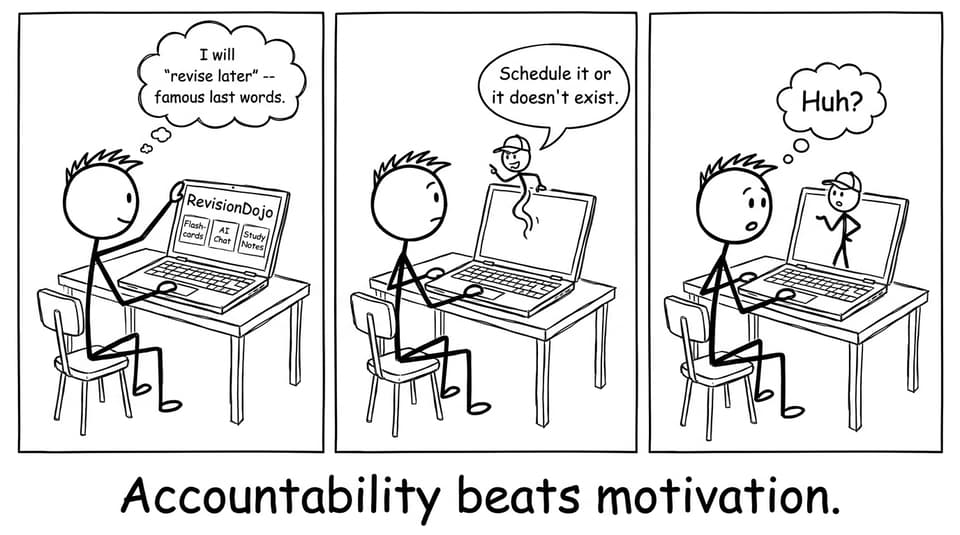
Accountability: someone expects you to show up, even when motivation disappears.
-
Instant feedback: you notice mistakes before they become habits.
-
More speaking time: the scariest skill becomes routine.
-
Shared momentum: small wins feel bigger when someone else sees them.
If you are new to how ab initio works in the IB, it helps to understand the course itself before you choose a partner: What is Ab Initio in the IB Program?
Quick checklist: choosing the right study partner (not just a friendly one)
Before you commit, look for three things:
-
Matching pace: similar weekly availability beats “similar personality.”
-
Similar seriousness: you want someone who shows up even on bad weeks.
-
Complementary strengths: one person strong in writing, the other in speaking is ideal.
If you are unsure whether ab initio is even the right level for your IB plan, skim: IB Language B vs Ab Initio: Can You Take Both?
Where to find a study partner for IB ab initio
Start close: classmates who already share your IB deadlines
The simplest option is usually hiding in plain sight. Ask someone after class, or message the group chat with a specific proposal: “20 minutes speaking + 20 minutes writing planning on Tuesdays?” Clear structure makes it easier for someone to say yes.
To make those sessions feel productive, agree to base them on one theme or skill each week (family, travel, school, experiences). This aligns naturally with ab initio expectations in the IB and helps you avoid random, unfocused practice. For a bigger picture routine, keep this saved: Succeeding in an AB Initio Class: Your Ultimate Survival Guide
Go online: language exchange platforms (with an IB filter)
Apps like Tandem, HelloTalk, or Speaky can help, but the key is not “find a native speaker.” The key is “find someone consistent.” Put your IB goals in your bio: your exam month, your level, and the kind of practice you want (short voice notes, timed writing, theme-based chats).
Use RevisionDojo to keep the partnership from drifting
Most study partnerships fail for one reason: no structure. This is where RevisionDojo quietly becomes your advantage as an IB student.
-
Use AI Chat to generate role-play prompts and follow-up questions when conversation dies.
-
Build shared routines with Flashcards and spaced repetition so vocab stops slipping.
-
Use the Questionbank to turn “we studied” into “we proved it” with targeted practice.
-
Add exam realism with Mock Exams and Predicted Papers (great for timing discipline).
-
If you are prepping written tasks, use Grading tools to check whether your writing matches the rubric.
If you want the collaboration angle spelled out, read: Collaborative AI Learning: Study Groups with Jojo AI
A simple weekly routine you can both sustain
Keep it short, repeatable, and slightly strict
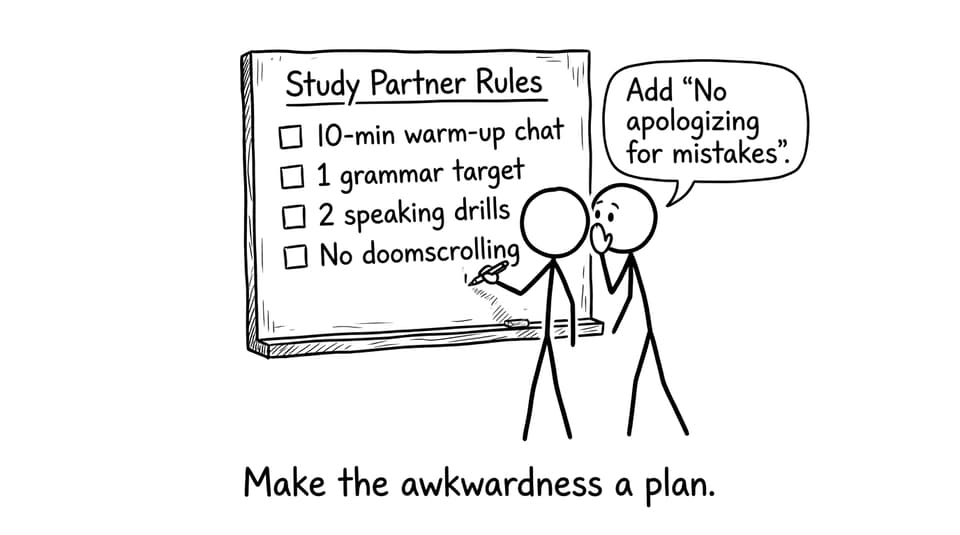
Try this 45-minute format twice a week:
-
10 min warm-up chat (only target language, mistakes allowed)
-
15 min one grammar target (partner explains, then you swap)
-
15 min speaking drill (photo description, opinions, follow-up questions)
-
5 min set homework (10 flashcards + one short paragraph)
For topic ideas and skill balance, this guide helps: Top Strategies for Learning an Ab Initio Language in IB
Closing: make IB language learning a two-person habit
The best part about finding a study partner is not that your ab initio language suddenly becomes easy. It is that you stop carrying it alone. In the IB, consistency beats intensity, and a partner makes consistency social, structured, and harder to abandon.
If you want your study partner sessions to actually move the needle, build them around RevisionDojo: use Study Notes, Flashcards, AI Chat, and the Questionbank to create a routine you can repeat until exam day. You bring the effort. RevisionDojo brings the structure. And your IB language skills finally start to feel like something you can trust.