


Media rarely changes the world with a single headline. It changes it the way water shapes stone, slowly, selectively, and with pressure applied in the same places again and again.
For IB Global Politics students, that matters because human rights awareness is not just about “knowing” violations exist. It’s about who hears the story, which frames dominate, and whether audiences translate attention into political pressure.
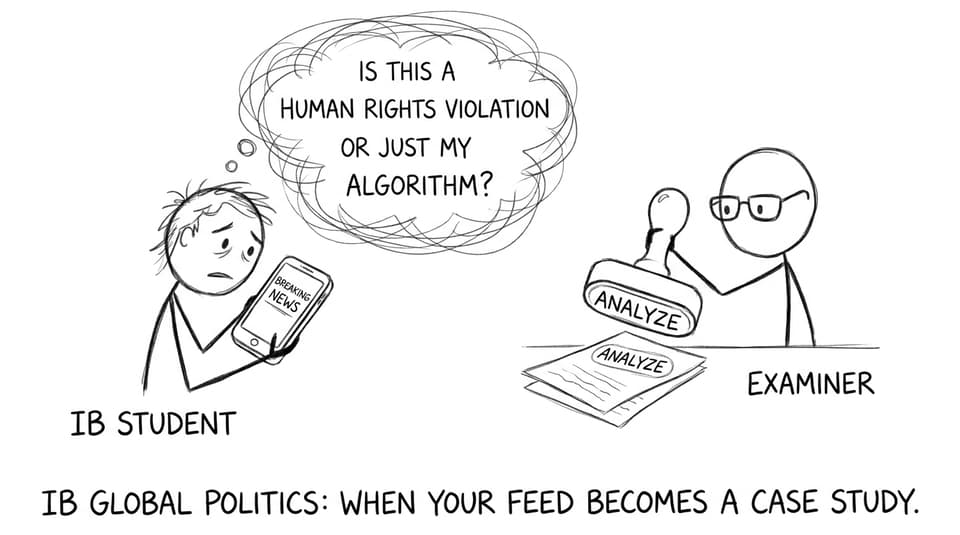
IB Global Politics overview: what to look for in any media example
Use this quick checklist when you’re analyzing media and rights in IB Global Politics:
-
Agenda-setting: What issues are made “important” through repetition?
-
Framing: How is the issue explained (crime, security threat, humanitarian crisis, culture clash)?
-
Accountability: Does reporting create evidence, investigations, or reputational costs?
-
Humanisation: Are individuals and lived experiences centered, or reduced to statistics?
-
Digital dynamics: Does social media amplify voices or misinformation?
-
Bias and constraints: Who owns the platform, and what are the incentives or limits?
If you want the syllabus-aligned content in one place, start with Global Politics - IB Resources.
How media raises human rights awareness in IB Global Politics
Agenda-setting: visibility creates urgency
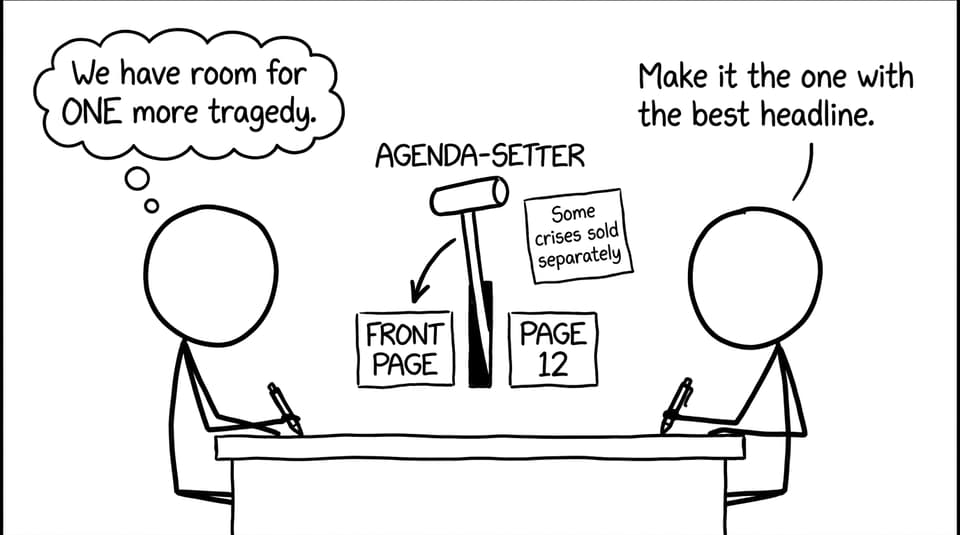
Media attention often functions like a spotlight: it doesn’t create the stage, but it decides where the audience looks. In IB Global Politics, this is a classic route to analysis: when a violation is covered repeatedly, it becomes politically costly to ignore.
Traditional media (TV, newspapers, radio) can elevate local abuses into international debates. But that elevation is selective. Editors choose what leads and what fades, and the public often confuses coverage with importance.
To build sharper exam examples, pair media analysis with core human rights concepts from Understanding Human Rights and the deeper IB Global Politics Understanding Human Rights Notes.
Accountability: media as watchdog, not judge
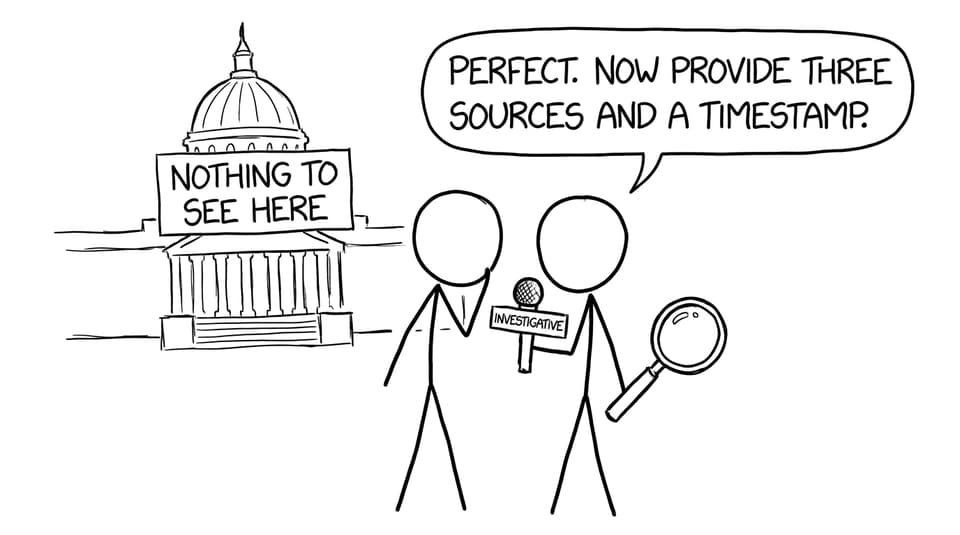
Investigative journalism can expose unlawful detention, corruption, or violence that authorities would prefer to keep hidden. When evidence is broadcast widely, denial becomes harder and reputational costs rise. That’s a crucial IB Global Politics link: media doesn’t usually “punish,” but it can increase pressure on courts, parliaments, international organizations, and civil society.
For practice, use stimulus-style prompts from the IB Global Politics Rights and Justice Questionbank, where you can train yourself to move from description to evaluation.
Storytelling: turning abstract rights into felt reality
A list of rights can stay theoretical until a story attaches to it. Media humanises by showing individual experiences, including interviews, images, and testimonies, that translate policy into consequences. In IB Global Politics, this supports strong analysis of legitimacy and public opinion: empathy can shift what voters tolerate, what donors fund, and what governments publicly defend.
For a quick refresher on the broader framework, see What Are Human Rights in Global Politics?.
Social media: speed, decentralisation, and verification problems
Digital platforms let witnesses and grassroots groups share information without traditional gatekeepers. That can empower marginalized voices and accelerate awareness. Yet it also increases misinformation risk, selective editing, and “context collapse,” where complex conflicts become simplified clips.
In IB Global Politics, that’s your evaluation: social media expands visibility but complicates reliability. The strongest answers show both impacts in the same paragraph.
Media limits: bias, censorship, and market incentives
Not all violations receive equal attention. Media may prioritize stories that are dramatic, close to the audience, or easy to narrate. Meanwhile, state censorship, intimidation of journalists, and ownership structures can narrow what is publishable.
To connect this to course debates, explore Competing Global Perspectives on Human Rights Notes and broader stakeholder dynamics in IB Global Politics Civil Society Organizations Notes.
Exam tip: how to turn “media influence” into marks
In IB Global Politics, avoid listing. Use a mini-structure:
-
Claim: Media raises awareness through agenda-setting.
-
Evidence: A brief, accurate example of coverage and reaction.
-
Link to concept: legitimacy, accountability, power, sovereignty, justice.
-
Evaluation: selectivity, framing bias, censorship, or misinformation.
Then practise writing under time pressure using RevisionDojo’s Questionbank, Study Notes, Flashcards, AI Chat, Grading tools, Predicted Papers, Mock Exams, Coursework Library, and Tutors, so your analysis becomes automatic, not hopeful.
Conclusion: make media analysis your advantage
Media can spotlight abuses, build empathy, and pressure decision-makers, but it can also simplify, distort, or ignore. In IB Global Politics, your job is to show both sides with calm precision.
If you want that precision on demand, use RevisionDojo to practise media-based questions, lock in key terminology with flashcards, refine arguments with AI Chat and grading tools, and build confidence with mock exams and predicted papers. Human rights awareness is shaped by what people see. Exam success is shaped by how well you can explain why they saw it.