


When a business makes a decision that seems “illogical,” it’s often not a strategy problem. It’s a culture problem. In IB Business Management, culture is the invisible operating system: it decides who speaks, who stays quiet, how risk feels, and whether a message travels in minutes or gets trapped in an approval maze.
In exam questions, this matters because culture is rarely a “nice extra.” It’s often the reason a change succeeds or fails, and it’s the reason communication either builds trust or drains it.
Quick checklist for IB Business Management answers
-
Define organizational culture clearly (values, beliefs, norms, practices).
-
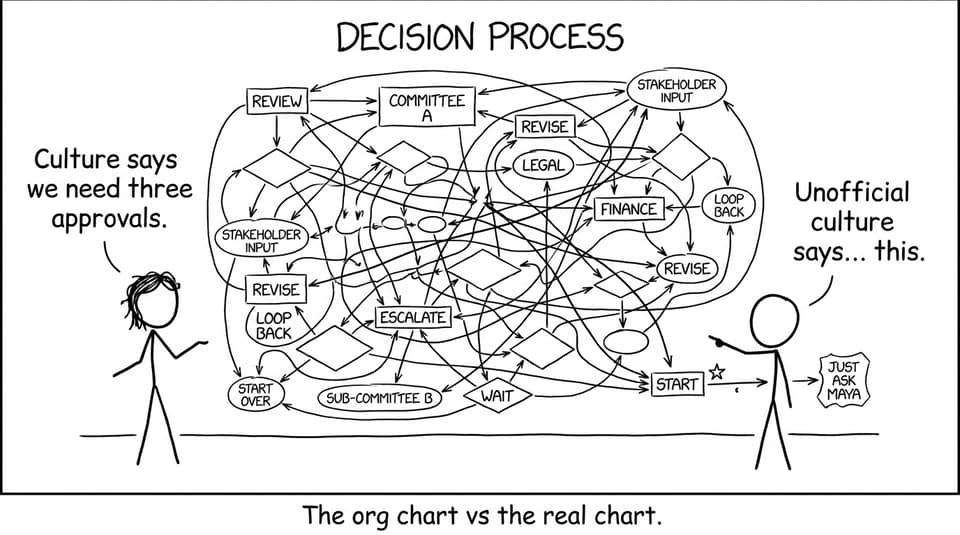
Link culture to decision speed (autonomy vs approvals).
-
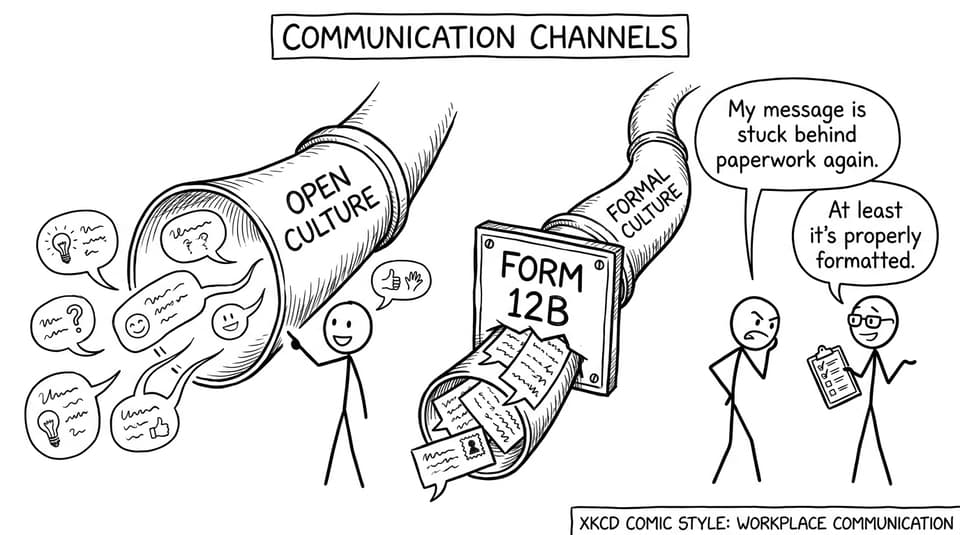
Link culture to communication flow (open vs formal channels).
-
Add one benefit and one drawback (analysis + evaluation).
-
Use a mini example (innovation team, factory site, head office).
For theory refresh, keep these RevisionDojo pages open as you revise: 2.5.1 Organizational Culture Notes and 2.6 Communication Lessons.
How culture shapes decision-making in IB Business Management
In IB Business Management, decision-making isn’t just “choose option A or B.” It’s a process influenced by what the business rewards and fears.
Risk-taking (innovative) cultures
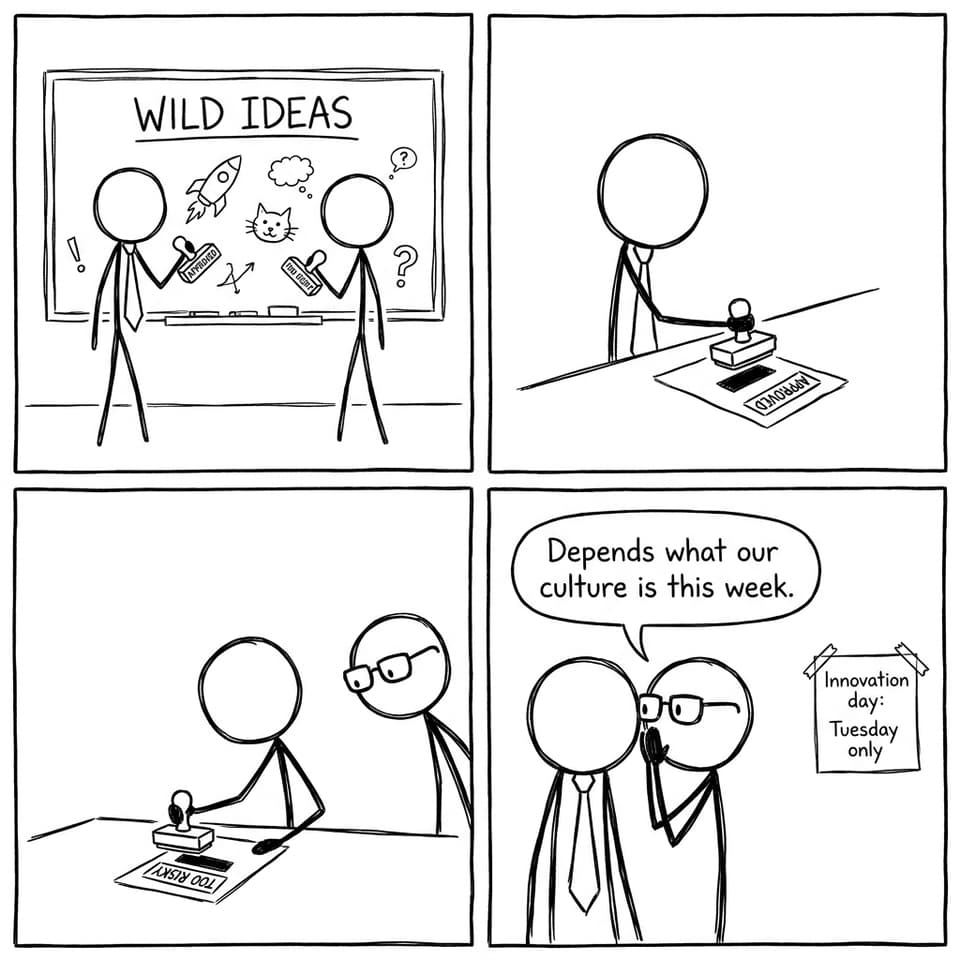
In a risk-tolerant culture, people expect experimentation. Decisions tend to be faster because employees are trusted to act, test, and adjust. Communication is usually informal and horizontal: quick check-ins, cross-department collaboration, and lots of idea-sharing.
The trade-off is control. Without clear systems, a fast culture can create inconsistent decisions across teams. If you need practice applying this to IB-style contexts, use RevisionDojo’s 2.5 Organizational (corporate) culture hub and drill with the 2.5 topic Questionbank.
Risk-averse (formal) cultures
In cautious cultures, decisions move slowly because rules protect the business from mistakes. Communication is structured: formal memos, strict reporting lines, documented approvals. This can raise accuracy and accountability, especially in regulated industries.
But in IB Business Management evaluation, you’d often note a cost: slower responses to competitors and weaker employee empowerment.
How culture shapes communication inside a business
Communication is not only about channels. It’s about psychological safety: whether people believe it’s “allowed” to be honest.
Collaborative cultures
Collaborative cultures widen participation. Employees expect consultation, feedback loops, and shared problem-solving. Communication is often transparent, which can raise motivation and reduce resistance to change.
The drawback: decision-making can slow down because consensus takes time. In IB Business Management, you can show balance by linking collaboration to improved engagement but also to opportunity cost when speed matters.
Hierarchical cultures
In hierarchical cultures, decisions concentrate at the top. Communication tends to flow upward through official lines, and employees may hesitate to challenge leaders. This creates consistency, but it can limit innovation and hide operational problems until they become expensive.
If you want an extra layer of sophistication, connect culture to individuals and expectations using 2.5.2 Individuals and Organizational Culture Notes.
Exam-ready angle: conflict and “speaking up”
Many exam scenarios include conflict (change programs, wage disputes, mergers). Culture determines whether conflict becomes productive debate or quiet avoidance. Open cultures normalize disagreement and can solve problems earlier. Reserved cultures may appear calm while issues build pressure underneath.
For HL extension and change-related clashes, link to 2.5.3 Cultural Clashes Notes.
Wrap-up: use culture as your “hidden driver”
In IB Business Management, culture is a powerful explanation tool. It connects decision speed, risk-taking, hierarchy, collaboration, and communication quality in one coherent story.
To turn this into marks, revise the theory fast with RevisionDojo’s IB Business Management Resources hub, then lock in recall using Organizational Culture Flashcards. After that, train exam instincts with the Questionbank and timed practice using IB Business Management Predicted Papers. RevisionDojo’s Study Notes, Flashcards, AI Chat, Grading tools, Predicted Papers, Mock Exams, Coursework Library, and Tutors are built for the loop that actually improves scores: learn, practice, feedback, repeat.


