


When “good pay” stops working
A student once told me they’d finally built the perfect study routine: two hours a day, timed practice, tracked progress. Then, weirdly, their motivation dipped anyway. Not because the plan was bad, but because effort needs more than a “deal.” It needs meaning.
That same idea sits at the heart of IB Business Management: even when pay is already competitive, people can still disengage if deeper needs aren’t being met. Businesses use non-financial rewards to tap into motivation that money can’t reliably buy: pride, belonging, growth, and control.
Quick exam checklist: what counts as non-financial rewards?
In IB Business Management, non-financial rewards are motivators that don’t directly increase salary or bonuses. Common categories you can list quickly in an exam response:
-
Recognition (praise, awards, public appreciation)
-
Autonomy and empowerment (decision-making, ownership)
-
Training and career development (mentoring, promotion pathways)
-
Work-life balance (flexible working, scheduling support)
-
Positive relationships and culture (teamwork, supportive leadership)
-
Meaningful and challenging work (purpose, job enrichment)
For syllabus-aligned coverage, use Non-Financial Rewards Notes and connect it to Motivation Theories Notes.
Why non-financial rewards improve motivation (even with competitive pay)
Competitive pay often functions like a “hygiene factor” in IB Business Management terms: it can prevent dissatisfaction, but it doesn’t automatically create commitment. Once pay feels fair, motivation shifts toward intrinsic drivers.
Recognition turns effort into identity
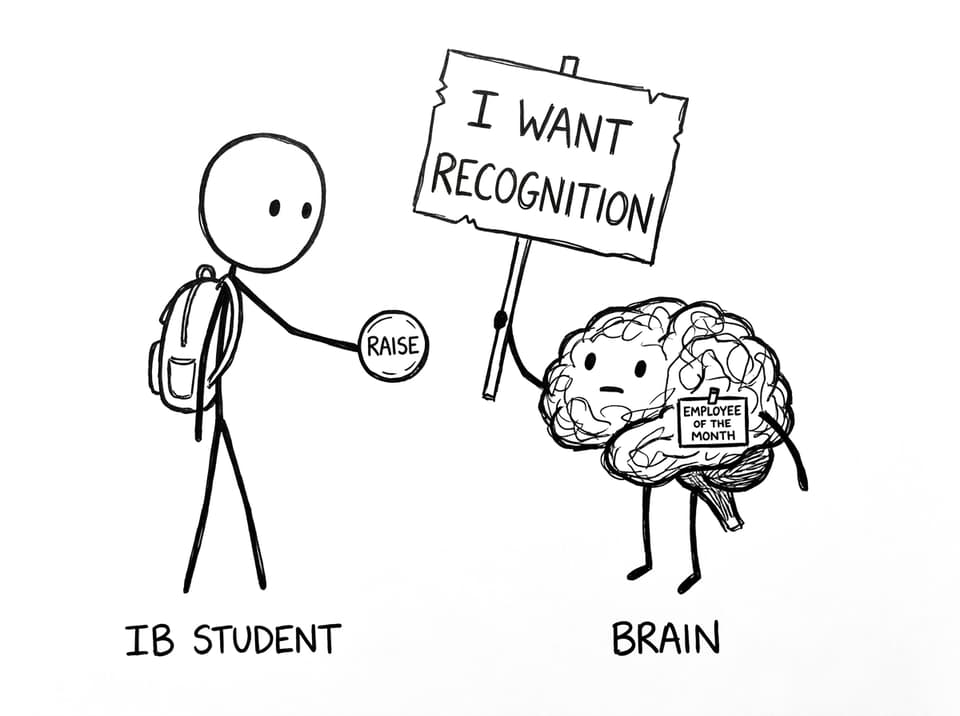
Recognition works because it tells employees: “You mattered here.” In IB Business Management, you can link recognition to esteem needs (Maslow) and to Herzberg-style motivators (achievement, recognition). The business benefit is lower labour turnover and stronger performance because people protect what they feel proud of.
Try adding an example to your answer: a company with competitive wages still runs monthly peer-nominated awards and shout-outs during team meetings to reinforce desired behaviours.
Autonomy makes people act like owners
Autonomy increases intrinsic motivation because employees feel trusted. When people can decide how to complete tasks or contribute ideas, they’re more likely to go beyond minimum standards. In IB Business Management, you can frame this as empowerment and job enrichment (adding responsibility and meaning).
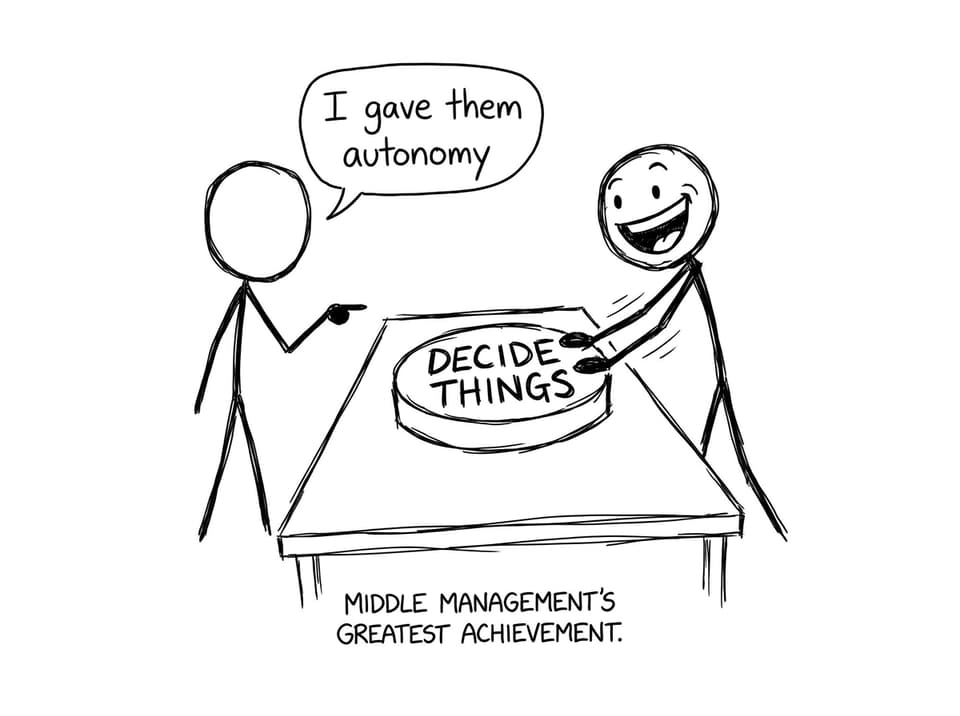
Practice turning that into evaluation: autonomy can raise innovation, but too much autonomy without support can cause role confusion.
Development makes the future feel real
Training and promotion pathways answer a quiet question employees always ask: “Is there a next step for me?” Development rewards motivation by building competence and loyalty. In exam terms, it’s a retention strategy and a productivity strategy at the same time.
Revision tip: pair this with Role of Human Resource Management Notes to show you understand HRM aims.
Work-life balance protects energy (the hidden input)
A business can pay well and still burn people out. Flexible hours, realistic scheduling, and supportive policies reduce stress and keep performance sustainable.
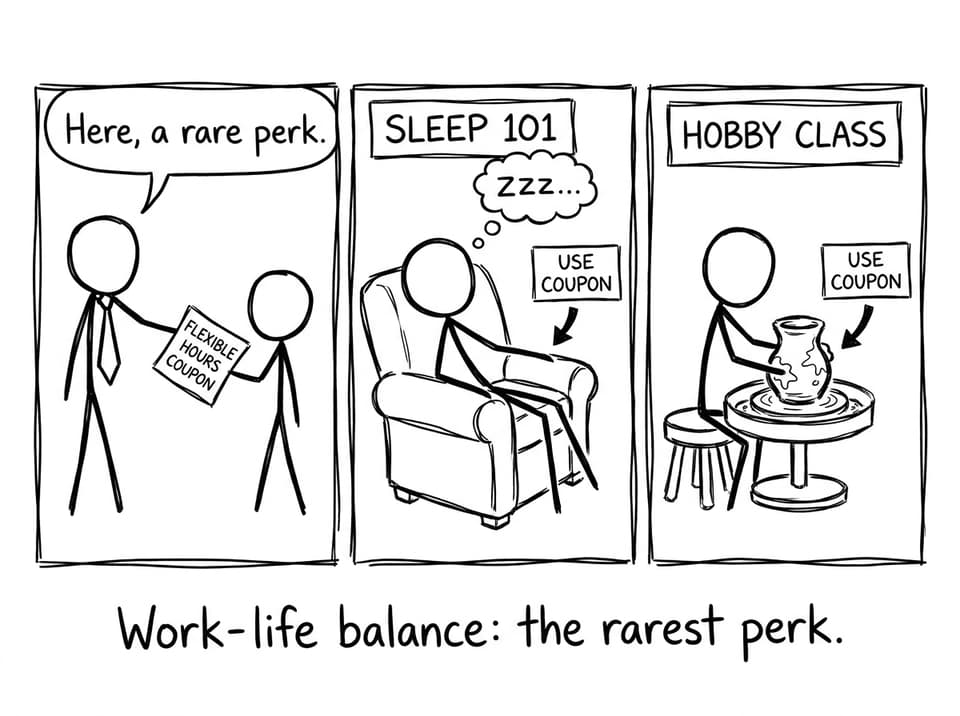
In IB Business Management, this is a strong point for analysis: work-life balance improves motivation and reduces absenteeism, but flexible working may complicate coordination.
How to use this in an IB Business Management exam answer
If a question asks why non-financial rewards matter when wages are high, structure like this:
-
Define non-financial rewards
-
Explain why pay alone may not motivate long term
-
Add 2-3 non-financial rewards with linked theory
-
Evaluate (cost, culture fit, measurement issues)
Build your practice using the 2.4 Motivation and Demotivation hub and test yourself with the 2.4 Questionbank. For fast recall, use Unit 2 HR Management Flashcards.
Bring it home with RevisionDojo
In IB Business Management, competitive pay can attract employees, but non-financial rewards often keep them motivated once the job becomes “normal.” If you want to write sharper exam answers, combine theory with clear examples and balanced evaluation.
Use RevisionDojo as your full revision system: the Questionbank for exam-style practice, Study Notes for clean explanations, Flashcards for active recall, AI Chat to refine your reasoning, and Grading tools to tighten structure. When it’s time to simulate the real thing, build practice with Mock Exams and Predicted Papers, and use the Tutors and Coursework Library when you need targeted support.
For more targeted practice, start at IB Business Management Resources and keep your motivation topic tight with Unit 2 HR Management overview.


