

A company can grow quietly for years, then suddenly face a choice that feels like a personality test: do we chase profit harder, or protect the things profit can’t measure?
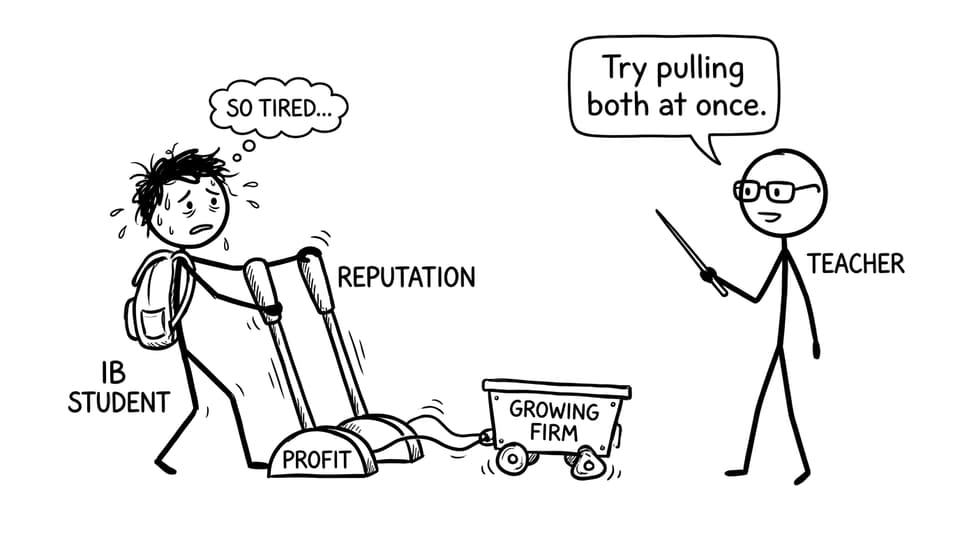
That tension sits right in the middle of IB Business Management. When firms grow, they don’t just scale sales or open new locations; they renegotiate what “success” means. In exams, that’s your cue to compare financial objectives (profit, cash flow, ROCE) with non-financial objectives (customer satisfaction, staff well-being, ethical and environmental goals) and explain why priorities shift.
Quick exam checklist for choosing objectives (growth context)
Use this IB Business Management checklist to structure a 6- to 10-mark response:
-
Stage of growth: start-up vs established firm
-
Finance constraints: liquidity, investment needs, cost pressures
-
Stakeholders: whose expectations matter most right now?
-
Industry pressure: competition, regulation, visibility
-
Capabilities: systems, staff, time, culture
-
Time horizon: short-term survival vs long-term value
For definitions and examples, keep 1.3 Business objectives open while you revise.
Why financial objectives often dominate early growth
In the early phases, growth is expensive. New staff, upgraded equipment, marketing spend, and operational capacity all demand funding. That’s why firms frequently prioritise financial objectives like:
-
Profitability (e.g., profit maximisation or steady margins)
-
Cash flow stability (especially if credit terms are tough)
-
Return to owners (dividends or shareholder value)
In IB Business Management, the clean argument is: financial objectives protect survival and reinvestment capacity. Without liquidity and retained profit, growth can become fragile.
To revise the language examiners like, use RevisionDojo’s notes on common business objectives and then drill application using the Topic 1.3 Questionbank.
Why non-financial objectives matter more as firms scale
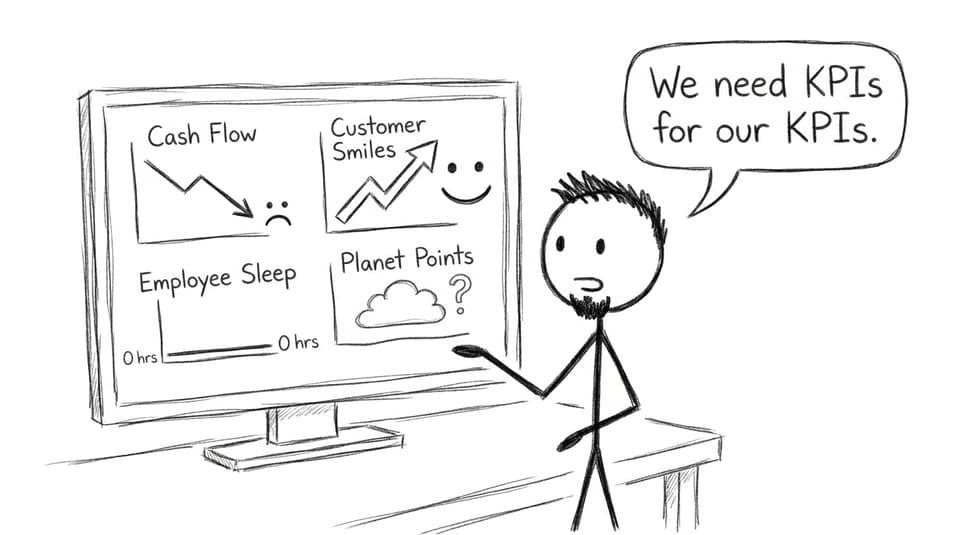
As a firm becomes more established, it can afford to aim beyond the next month’s cash position. At that point, non-financial objectives often rise because they build long-term competitiveness:
-
Customer satisfaction and loyalty reduce churn and make growth cheaper.
-
Employee motivation and well-being reduce turnover and improve productivity.
-
Ethics and sustainability protect reputation, reduce regulatory risk, and create trust.
This is especially examinable in IB Business Management because it links to the course themes of change, ethics, and sustainability. If you want a people-focused example bank, connect this to non-financial rewards (a great way to show how HR objectives support strategy).
Stakeholders decide what “success” gets measured
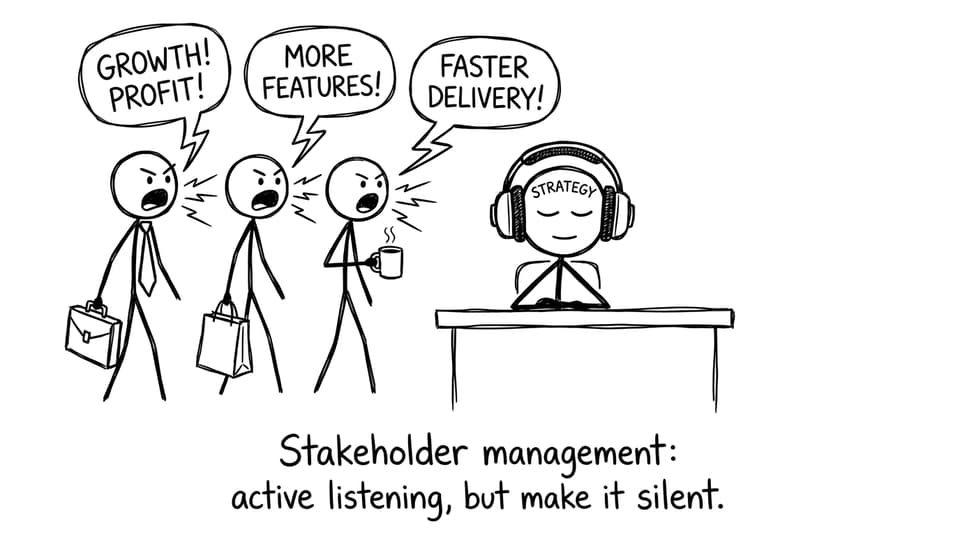
When firms grow, more stakeholders start paying attention, and each group measures success differently. Investors may push for profit and dividends. Employees may push for workload limits, training, and job security. Customers may push for quality and faster service.
That’s why stakeholder analysis is often the turning point in IB Business Management essays: managers have to balance conflicts rather than “pick one objective forever.”
Revise stakeholder vocabulary with internal and external stakeholders, then practise linking it to objectives.
Turn this into top-band evaluation (what examiners want)
A strong IB Business Management conclusion usually sounds like this:
-
Short term: financial objectives may dominate to fund growth and control risk.
-
Long term: non-financial objectives protect brand, culture, and resilience.
-
Judgement: the “best” objective mix depends on the firm’s context, stakeholder pressure, and industry conditions.
For cleaner structure, revise how objectives cascade using strategic vs tactical objectives. It helps you explain how a big objective becomes measurable actions.
Conclusion: the objective mix is the strategy
Growth changes what firms can afford to care about. Early on, financial objectives keep the lights on. Later, non-financial objectives keep customers loyal, employees committed, and the brand trusted. That “blend and balance” logic is the heart of IB Business Management, and it’s exactly how to write higher-scoring evaluation.
If you want to lock this in fast, build a mini-set of exam paragraphs using RevisionDojo’s Study Notes, then test them with the Questionbank, refine with AI Chat and Grading tools, and finish by generating timed practice with Predicted Papers and Mock Exams. When you’re ready to go further, RevisionDojo’s Flashcards, Coursework Library, and Tutors help you turn understanding into consistent marks.