


If you live with an IB student, you can feel the pressure in the house before anyone says a word.
There’s the laptop open at dinner. The quiet panic when someone asks, “Can you just help for 10 minutes?” The look that says: I want to be a good son/daughter/sibling and I also don’t want my grades to collapse.
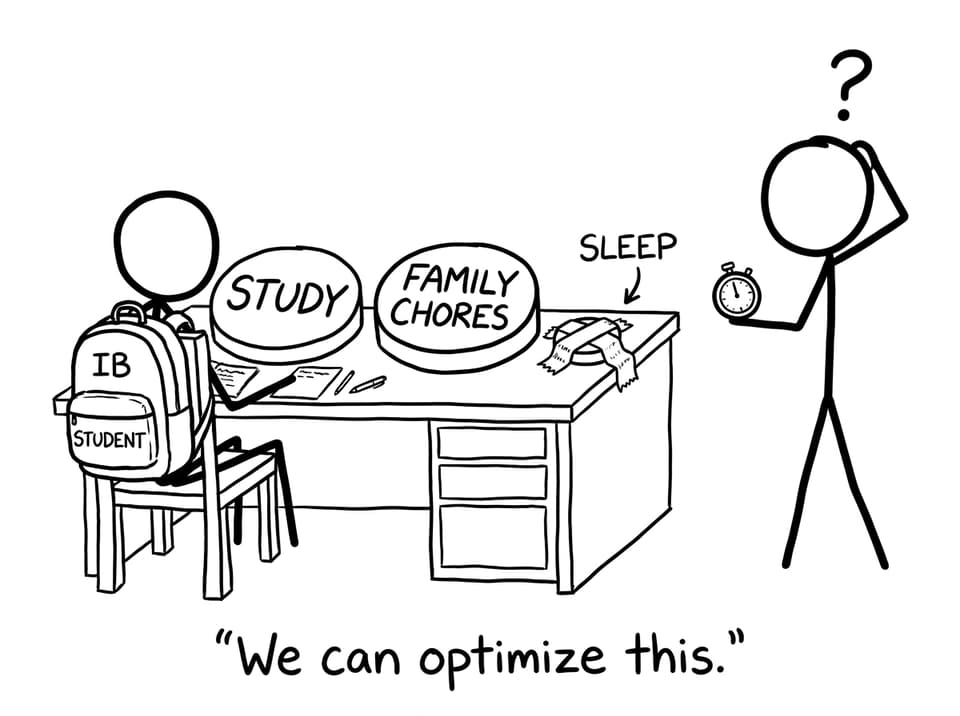
Balancing IB exam preparation with family responsibilities isn’t about being “more disciplined.” It’s about designing a week that respects reality: limited hours, real people, and a course that rewards consistent practice.
A quick checklist for balancing IB and family responsibilities
Use this as a simple reset when things feel messy:
-
Name the non-negotiables at home (the truly essential tasks).
-
Map the IB calendar (deadlines, exam blocks, mock periods).
-
Agree on “light weeks” vs “heavy weeks” as a family.
-
Swap quantity for consistency (small, reliable contributions beat heroic overwork).
-
Build a study loop: learn, practice, feedback, repeat.
-
Watch for burnout signals (sleep loss, irritability, shutdown, falling scores).
For many students, the fastest way to keep IB steady under pressure is to replace scattered studying with one platform that reduces decision fatigue: RevisionDojo for IB.
Why this is so hard for IB students (and why it’s not a character flaw)
The IB doesn’t just ask students to “know content.” It asks them to perform under timing, command terms, and markscheme logic. That’s a different kind of stress than ordinary homework.
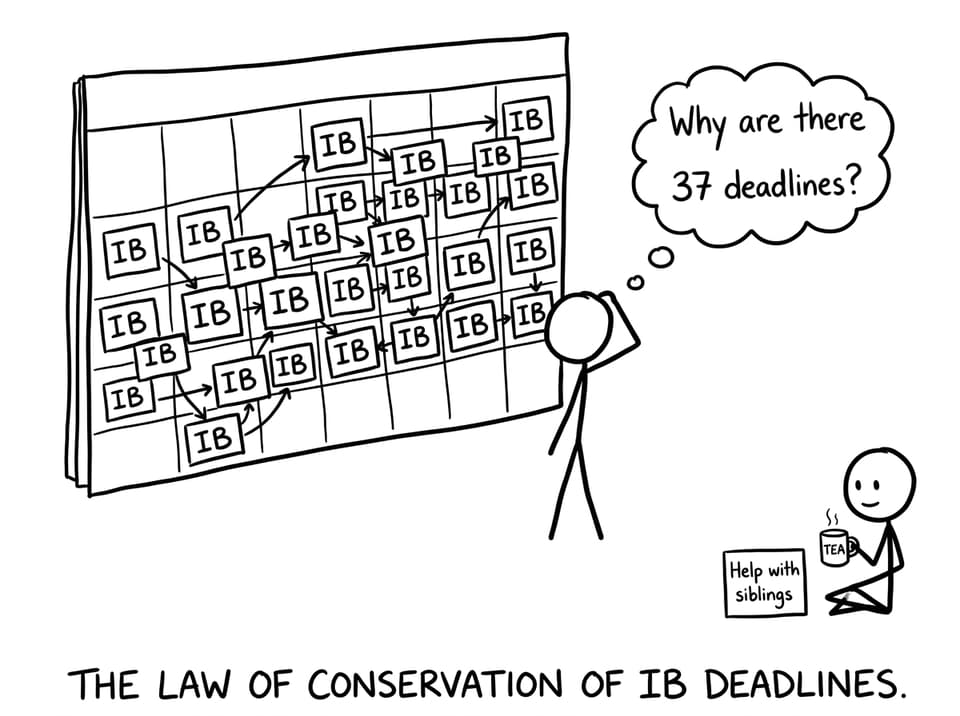
Now add family responsibilities: siblings to pick up, chores, language barriers, supporting a family business, caring for relatives, or simply being the reliable one at home. The conflict isn’t laziness. It’s math.
-
Time scarcity: the week runs out before the workload does.
-
Guilt loops: students feel selfish studying, then anxious when they don’t.
-
Hidden inequity: responsibilities may not be shared evenly among siblings.
-
Stress overlap: academic stress plus home stress becomes exhaustion.
Family responsibilities can actually strengthen IB performance (when structured well)
It sounds counterintuitive, but the right level of responsibility can help an IB student.
When home duties are predictable and fair, students often develop:
-
Time management that’s based on reality, not motivation
-
Empathy and perspective, which reduces perfectionism
-
Independence, which helps with long-term projects
-
Resilience, which universities genuinely respect
The key is keeping responsibilities as a stabilizer, not an extra weight.
How parents can support an IB student without turning home into a negotiation
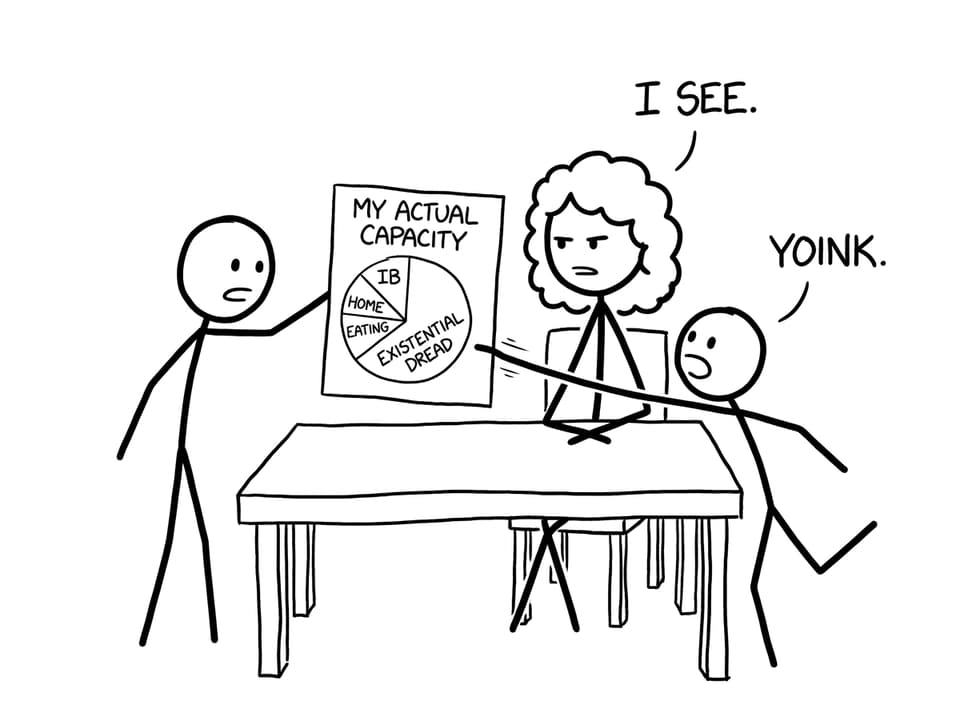
Have one honest “capacity talk” (then revisit it briefly)
Choose a calm moment and ask questions that make it safe to tell the truth:
-
“Which responsibilities feel manageable during IB exam prep?”
-
“Which tasks push you into panic?”
-
“What would a fair week look like?”
A good rule: the goal isn’t to remove all family responsibilities. It’s to remove surprise responsibilities.
Prioritize chores like you’d prioritize study topics
Not all tasks are equal. Sort responsibilities into three buckets:
-
Essential: the home breaks without it (short childcare window, medication pickup).
-
Helpful: meaningful but flexible (laundry, dishes, errands).
-
Optional: nice, but not now (deep cleaning, extra shifts, perfection tasks).
Then align this with the IB rhythm. During heavy weeks, essentials stay, and helpful/optional tasks get redistributed.
Build flexibility into the family routine (especially near exams)
If your student is nearing an exam block, treat the household like it’s in “support mode.” This can include:
-
temporarily adjusting chores
-
swapping responsibilities with siblings
-
asking extended family for short-term help
-
planning meals that reduce daily friction
Students preparing for IB exams need fewer decisions, not more.
Emphasize quality over quantity
A student who reliably does one task well is contributing more than a student who does five tasks poorly while half-studying. Consistency protects both family trust and IB performance.
Teach scheduling as a family skill, not a student burden
One practical tactic: a shared weekly view (paper calendar, fridge planner, or a simple app).
-
block known IB study sessions
-
mark home responsibilities
-
protect at least one recovery window
For study, encourage active work that fits tight schedules: RevisionDojo Study Notes for quick clarity, then immediate practice in the RevisionDojo Questionbank.
Praise effort without adding guilt
Try language that acknowledges both worlds:
-
“Thank you for helping. I know IB is heavy right now.”
-
“I see how hard you’re working. Let’s make this week easier.”
The point is to remove the feeling that studying is “selfish.” In many families, education is one of the biggest long-term contributions.
A realistic IB study loop for busy students
When time is limited, the winning move is structure.
-
10 minutes: IB Flashcards (spaced repetition)
-
25 minutes: one weak concept via notes (no rewriting)
-
25 minutes: targeted questions + feedback
If your student needs a calmer, proven workflow, share: RevisionDojo App: The Smarter Way to Prep for IB Exams.
And when exam season gets close, routines matter more than inspiration. This guide helps students settle their night-before nerves: IB Exam Night Routine: What Actually Works.

Common parent mistakes that quietly make IB harder
-
assuming an IB student can “just push through” indefinitely
-
increasing responsibilities when grades drop (often it backfires)
-
comparing siblings with different schedules and stress loads
-
ignoring burnout signs until they become conflict
-
treating rest as a reward instead of a requirement
If you want a parent-facing overview of how RevisionDojo supports families, visit RevisionDojo for Parents.
Conclusion: protect the relationship, protect the routine
Most IB students don’t need a lecture about working harder. They need a household plan that doesn’t force them to choose between being a good student and a good family member.
If you’re a parent, the most powerful support you can offer is simple: reduce surprise demands, adjust responsibilities during heavy weeks, and help your teen build an efficient study loop.
When they’re ready to make studying calmer and more measurable, point them to RevisionDojo’s Questionbank, Study Notes, Flashcards, and Predicted Papers. The goal isn’t to do everything. It’s to do the right things consistently -- so family life and IB success can coexist.