



IB English: Transfer Analysis Skills to Exam Day
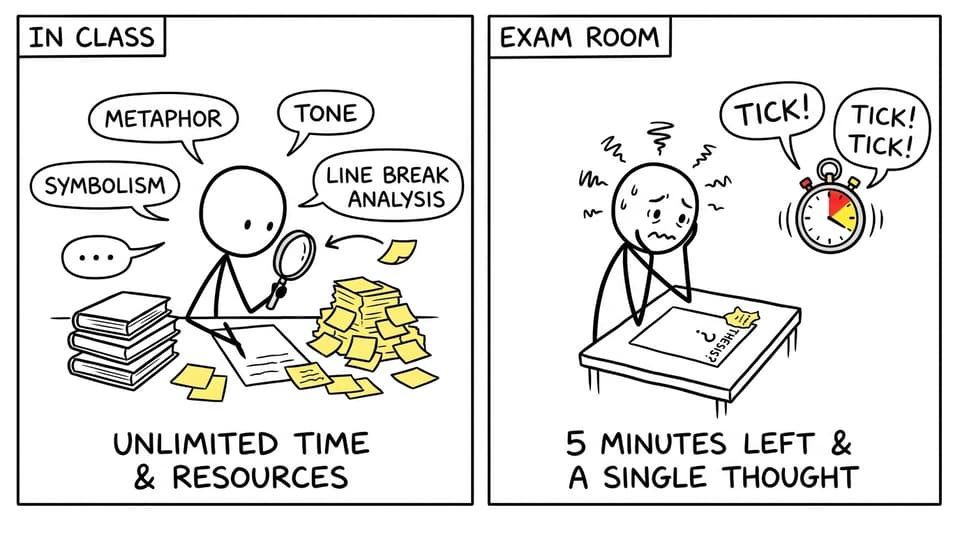
The weirdest part about IB English is that you can feel brilliant on a Tuesday afternoon and strangely blank on exam day.
In class, you read slowly. You annotate generously. You test ideas out loud, borrow someone else’s interpretation, then sharpen your own. In the exam, you’re alone with a clock and a page that refuses to explain itself. Your analytical skills didn’t disappear. They just didn’t transfer.
Transferring analysis from classroom comfort to exam pressure is a trainable skill. The goal is not to become faster at thinking random thoughts. The goal is to make your best thinking automatic, repeatable, and timed.
Why transferring analytical skills matters in IB English
In IB English, most exam stress comes from the gap between what you can do and what you can do quickly. The exam rewards the same strengths your teacher praises: close reading, purposeful selection of evidence, and clear interpretation. But the conditions are different.
Classroom analysis is supported by:
-
more time
-
more feedback
-
more second chances
Exam analysis depends on:
-
fast prioritization
-
reliable structure
-
calm execution
If you want a map of what the exam is actually asking you to do, keep these RevisionDojo guides open while you practice: Step-by-Step Guide to Revising IB English Paper 1 and Writing a Commentary for IB English A: Step-by-Step Guide.
Quick checklist: a transfer routine you can repeat
Use this as your default “bridge” from classroom thinking to exam performance in IB English:
-
Read once for gist, once for patterns (tone, shifts, structure).
-
Annotate only what you plan to use.
-
Write a thesis that answers the task and names the main method.
-
Plan 2-3 body paragraphs with evidence + effect.
-
Draft with clear topic sentences and constant linkage to thesis.
-
Leave 3-5 minutes to tighten expression and fix clarity.
If you struggle with timing, bookmark Being Smart With Exam Time and treat it like training wheels until pacing becomes instinct.
Close reading under pressure: less ink, more intent
In class, you might annotate everything interesting. In the IB English exam, that habit becomes a trap: you spend time collecting details you never convert into argument.
Try this rule: annotate for patterns, not for decoration.
Look for:
-
shifts in tone (warm to cold, playful to severe)
-
changes in pace (short sentences, fragmenting syntax)
-
repeated images or motifs that “insist”
-
structural turning points (contrast, reversal, a final address)
Then annotate with purpose: one short note about what it does.
To sharpen this, use the targeted practice loop in RevisionDojo’s Questionbank and Study Notes: you can read a short text, attempt an analysis task, then immediately compare your choices to examiner-aligned feedback. Start from the IB English hubs: IB English A: Language & Literature Resources and IB English A: Literature Resources.
Technique spotting: stop listing, start selecting
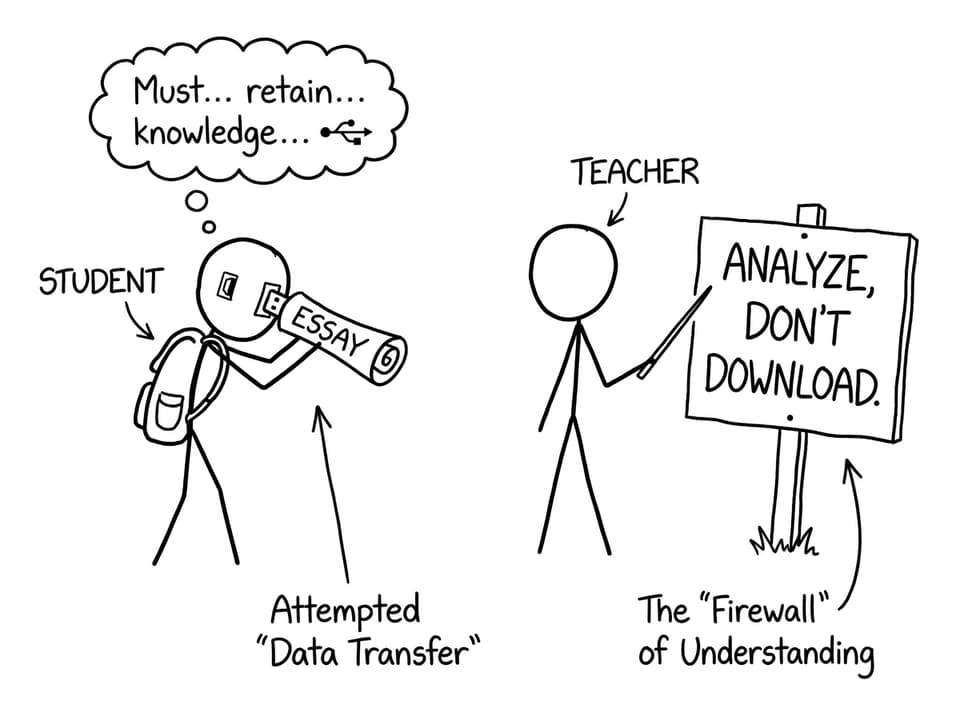
Many IB English students can name techniques under pressure, but naming is not analysis. Examiners don’t reward a vocabulary parade. They reward explanation: why this choice, here, for this purpose, with this effect.
A better exam habit is “select and commit”:
-
Pick 3-5 features that clearly shape meaning.
-
Link each feature to a claim (tone, viewpoint, persuasion, characterization).
-
Explain effect on the reader, not just identification.
When you practice, use a fast marking loop. RevisionDojo’s AI Chat can help you test whether your claims are actually arguable, and Grading tools (like essay marking workflows) can show you where you are describing rather than interpreting.
Planning as the transfer tool: build a small, strong skeleton
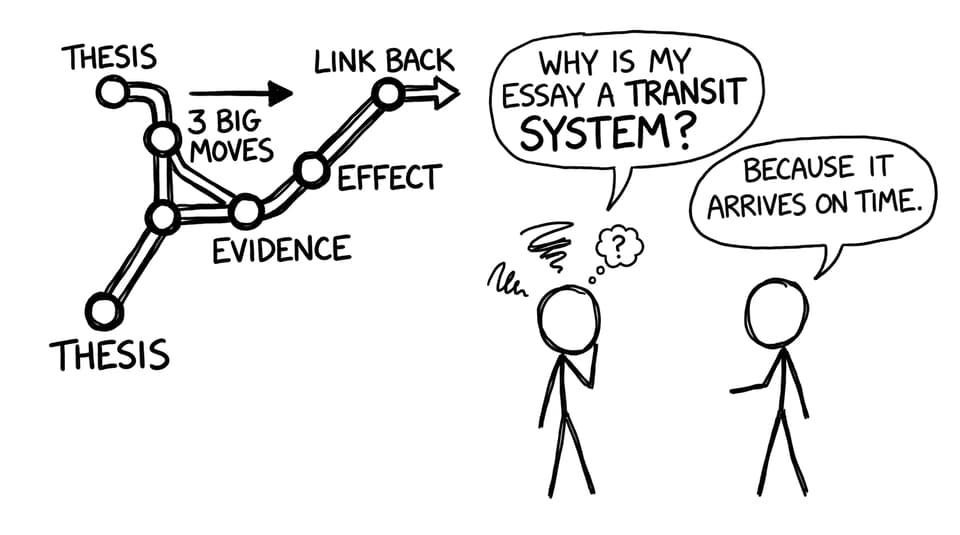
Planning is the cheapest way to reduce panic in IB English. It turns “I hope this works” into “I’m following steps.”
Keep your plan short and usable:
-
thesis (one sentence)
-
paragraph 1: main idea + 2 quotations
-
paragraph 2: main idea + 2 quotations
-
paragraph 3: main idea + 2 quotations
-
one line on how the ending reframes everything
If you need models for what “organized analysis” looks like, RevisionDojo’s subject notes and exemplars help you internalize structure. For Paper 2 support, see Notes for English Lit Paper 2 Commentary.
Practice that actually transfers: simulate, then diagnose
Skill transfer improves fastest when practice resembles the exam.
That means timed blocks. Not every day. But often enough that your brain stops treating the exam as an alien event.
A simple weekly loop for IB English:
-
1 timed response (short or full, depending on your schedule)
-
immediate review: write 5 “error rules” (what to do differently next time)
-
2 short repair sessions using RevisionDojo Flashcards (terminology, strategy cues) and Study Notes (patch the gap)
-
1 targeted set of exam-style prompts in the Questionbank
If you want a broader workflow for building realistic rehearsal across subjects, the same system is explained here: RevisionDojo App: The Smarter Way to Prep for IB Exams. And when you’re ready to rehearse full-paper pressure, RevisionDojo’s IB Predicted Papers and Mock Exams features help you train stamina without guessing what “realistic” feels like.
Closing: make IB English exam thinking feel familiar
The exam isn’t asking you to become a new person. It’s asking your classroom self to show up on command.
In IB English, transferring analytical skills comes down to a few calm habits: selective close reading, small planning, and timed rehearsal with honest review. Build those habits until they feel boring. Boring is good. Boring means reliable.
If you want one place to run the full loop, with learning, practice, feedback, and repetition, RevisionDojo is built for it: Study Notes, Flashcards, Questionbank, AI Chat, Grading tools, Predicted Papers, Mock Exams, plus a Coursework Library and Tutors when you need human-level diagnosis. Start in the IB English A: Language & Literature hub, and train your exam day thinking before exam day arrives.


