
Time doesn’t usually “run out” in IB English. It leaks.
It leaks when you underline everything. When you chase the perfect opening line. When one paragraph turns into a small novel because you’re trying to prove you read the text “properly.” And then, with five minutes left, you’re still explaining what happened instead of why it matters.
The good news: IB English rewards control more than speed. If you can build a repeatable pacing system, you can write calmer, think sharper, and finish with the kind of clarity examiners can actually credit.
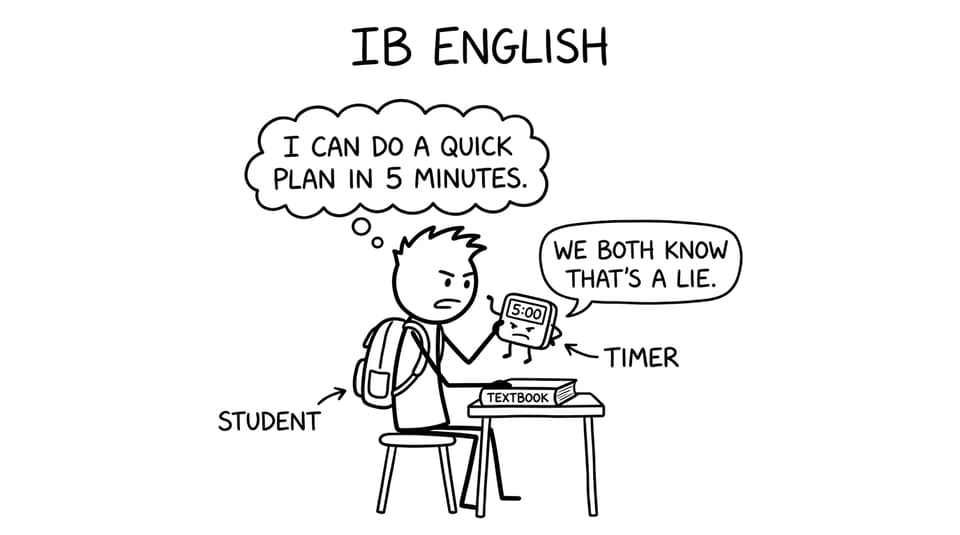
The quick pacing checklist (save this)
Use this as your default for IB English assessments:
-
Decide your time plan before the assessment starts.
-
Cap planning time so it doesn’t become procrastination.
-
Prioritize analysis (authorial choices and effects) over description (what happens).
-
Write in a predictable paragraph structure to avoid rewrites.
-
Reserve final minutes for quick editing, not panic.
If you want a deeper pacing framework across your whole week (not just exam day), borrow ideas from Best Time Management Hacks for IB Students and The Ultimate Daily IB Study Schedule.
Why time management is a real IB English skill (not a personality trait)
In IB English, time management is basically argument management.
When pacing is weak, your thesis gets fuzzy, your comparisons turn into two separate mini-essays, and your “close analysis” becomes a list of techniques with no insight. That’s not because you’re incapable. It’s because the exam structure punishes indecision.
A strong student with a weak clock often scores like a weaker student with a strong clock. That’s why building a routine matters as much as building knowledge.
RevisionDojo is designed around that reality: practice loops that start with Study Notes, move into the Questionbank, lock in recall with Flashcards, then simulate pressure using Mock Exams and Predicted Papers (plus AI Chat, Grading tools, Coursework Library, and Tutors when you need feedback that actually changes your next attempt).
IB English Paper 1 time management (SL and HL)
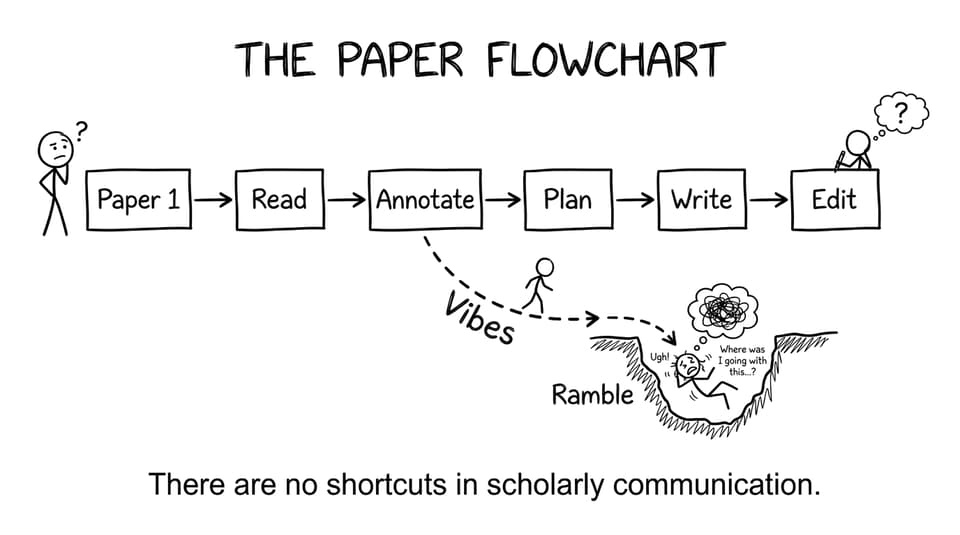
Paper 1 is where students lose time in two predictable places: over-annotation and under-planning.
A clean approach is:
Read and annotate with limits
Give yourself enough time to see patterns, not enough time to decorate the page.
-
First read: overall meaning and tone.
-
Second pass: mark recurring techniques and structural shifts.
-
Circle 2-3 “controlling ideas” (the concepts your essay will actually argue).
For more Paper 1 structure support, use Mastering IB English Paper 1: A Complete Guide and the dedicated English Paper 1 resources.
Plan a skeleton that prevents rambling
Your plan should fit on a small box:
-
One thesis that answers the guiding question.
-
2-3 body paragraphs (each a distinct idea).
-
2-3 techniques per paragraph (only the best ones).
If you want a concrete timing table and a simple discipline for planning vs writing, see Notes for Being Smart With Exam Time.
Write with paragraph discipline
In IB English, paragraphs are your time-saving device.
A practical flow:
-
Topic sentence (idea)
-
Evidence (short quote)
-
Technique + effect (how meaning is made)
-
Link back to thesis
When you practice, do it under timed conditions. RevisionDojo’s IB English A Lang & Lit Resources and the Paper 1 Questionbank make it easier to repeat the same pacing habits until they feel automatic.
Edit for clarity, not perfection
Final minutes are for:
-
fixing unclear sentences
-
checking that each paragraph proves the thesis
-
adding 1-2 sharper verbs (suggests, exposes, reframes)
IB English Paper 2 time management (comparison without chaos)
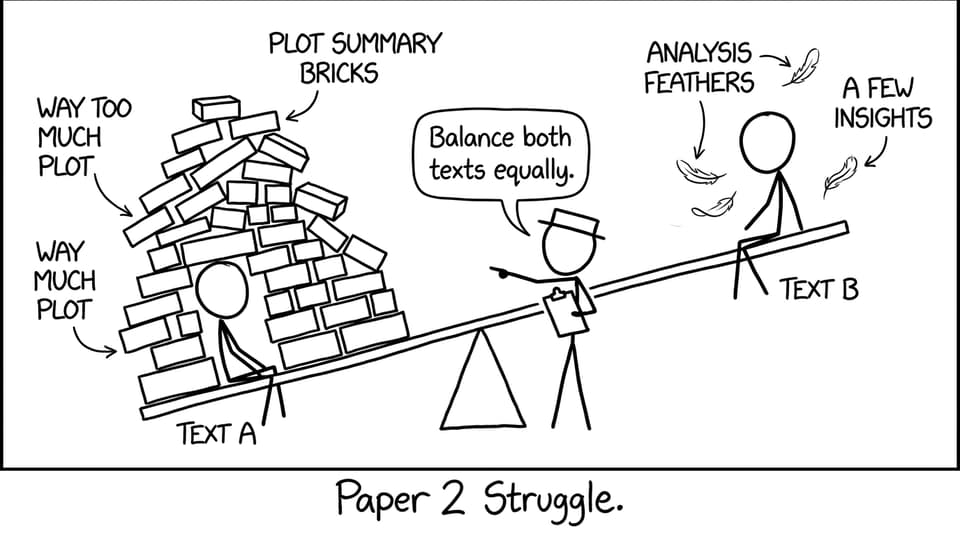
Paper 2 punishes a common mistake: spending too long “setting up” the comparison, then writing two separate text summaries.
A steady plan:
Plan first, but plan comparatively
Your plan should be built around ideas, not texts.
-
Choose a prompt you can answer with a clear argument.
-
Pick 2-3 comparative points (theme + method).
-
For each point, list: Text A moment, Text B moment, and the authorial choice that creates meaning.
To tighten structure, use IB English Paper 2: Essential Guide for Success and Structuring Your IB English Paper 2 Essay.
Write in a “both texts, every paragraph” rhythm
If you mention one text for 15 lines before switching, you usually lose comparison marks.
Instead:
-
Start each paragraph with a comparative claim.
-
Move between texts within the same paragraph.
-
Balance your time by tracking paragraphs, not pages.
For targeted practice, build timed sets from the IB English A Lang & Lit Paper 2 Questionbank, then check your organization patterns.
Time management for the IB Individual Oral (IO)
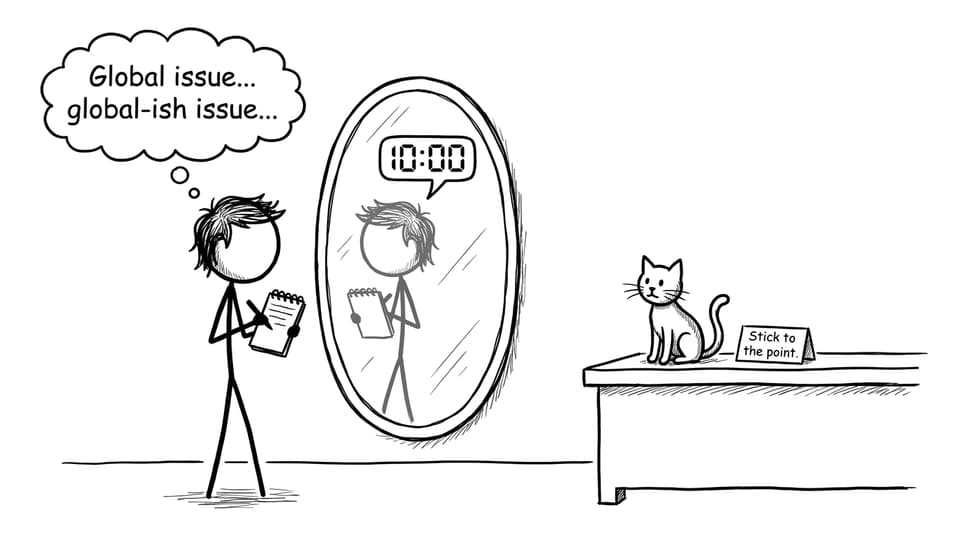
The IO is where time management is invisible but decisive. You’re not racing the clock; you’re protecting your line of inquiry.
Prep: create a structure, not a script
A script is brittle. A structure is flexible.
-
Define one global issue in one sentence.
-
Choose extracts that are technique-dense.
-
Rehearse with a timer until your pacing feels boring (boring is good).
For step-by-step IO guidance, use Master the IB Individual Oral and Understanding the Fields of Inquiry in IB English A.
Delivery: allocate time like a budget
A clean internal split:
-
brief intro that frames the global issue
-
roughly equal time per extract
-
consistent method: technique, effect, link to global issue
Then, in the follow-up questions, aim for calm expansions of points you already made. If you want a full overview, see Comprehensive Guide to the IB Individual Oral (IO).
Closing: make IB English feel smaller than it looks
Time pressure in IB English feels personal, but it’s usually structural. Once you commit to a pacing plan, your job becomes simpler: make a few strong claims, prove them with the best evidence, and leave space to refine.
If you want this to become automatic, build a loop: learn with RevisionDojo Study Notes, drill with the Questionbank, reinforce with Flashcards, then pressure-test with Mock Exams and Predicted Papers. You’ll walk into your next assessment with the quiet confidence that you’ve already practiced the clock.