


Archetypes work like mental shortcuts. You meet a character on page one, and your brain quietly whispers: I’ve seen this shape before.
That whisper matters in IB English. Not because you should reduce characters to labels, but because the label gives you something examiners love: a clear starting point for analysis. From there, you can show how a writer confirms the pattern, bends it, or breaks it. That’s where theme, perspective, and authorial purpose suddenly become easier to argue.
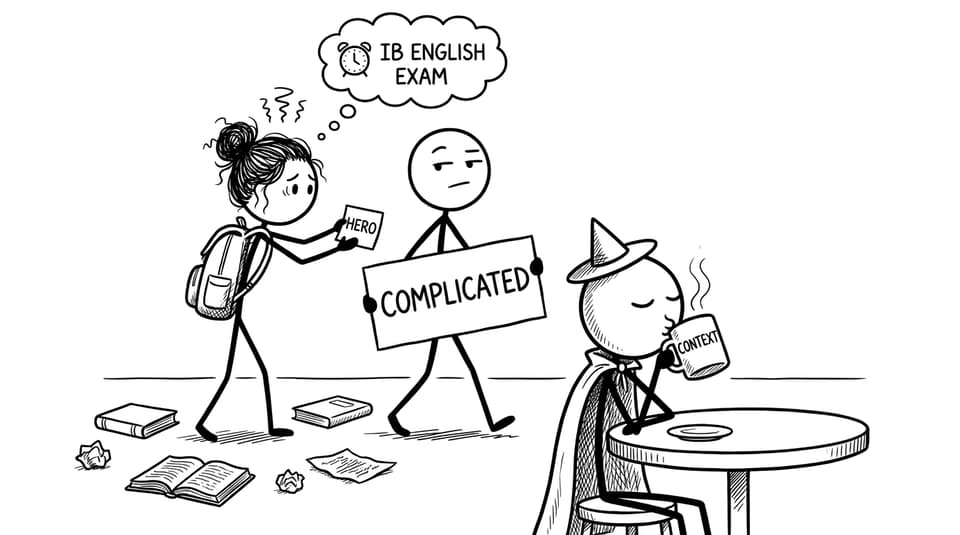
What archetypes help you do in IB English
Archetypes are recurring character “roles” that appear across cultures and genres. They’re familiar enough that readers bring expectations with them. In IB English, that’s useful because you can:
-
Make a confident claim about a character’s narrative function (not just their personality)
-
Connect character choices to theme (morality, power, identity, freedom)
-
Show sophistication by discussing subversion and moral ambiguity
-
Write faster under pressure because you have a ready-made analytical framework
If you want a strong foundation for character analysis, pair archetypes with a technique-based approach to characterization (voice, actions, structure). RevisionDojo’s guide on how to analyze a character in IB English essays is a good companion for this.
Quick checklist before you write
Use this mini-process in Paper 1, Paper 2, and even the IO:
-
Identify the character’s dominant motivation (what do they want?)
-
Spot the archetype they most resemble (hero, villain, antihero)
-
Decide whether the writer reinforces or subverts that archetype
-
Track how the text positions the reader: admiration, fear, pity, discomfort
-
Link the archetype to a theme you can actually prove with evidence
For technique support, keep something like the English A Lang & Lit Cheatsheets open during practice.
The hero archetype in IB English analysis
The traditional hero is built for clarity: courage, sacrifice, moral purpose, a journey that changes them. But in IB English, the best marks come when you move past “brave protagonist” and show how heroism is constructed.
Look for:
-
Public vs private self: does the hero perform courage while hiding doubt?
-
Costs of virtue: what is sacrificed, and who benefits from that sacrifice?
-
Structural positioning: is the hero framed as admirable by the opening, ending, or narrative voice?
A practical exam move: write one sentence that defines the “expected hero,” then one sentence that explains how the text complicates it. That second sentence is usually where your thesis starts.
To strengthen this, connect archetype to technique: narration, dialogue, symbolism, and pacing. RevisionDojo’s article on exploring characterization in IB literature works helps you name those choices precisely.
The villain archetype: more than “the bad guy”
Villains are often treated like plot machinery. In strong literature, they’re more like mirrors. They expose what a society rewards, what a protagonist fears becoming, or what the author thinks is broken.
In IB English, analyze villains by asking:
-
What ideology do they represent (order, chaos, revenge, purity, progress)?
-
How does the text direct your judgment: disgust, fascination, empathy?
-
Do they reveal hypocrisy in the “heroic” world?
Even a seemingly one-note villain can be meaningful if their role is symbolic or structural. If you need help connecting character function to big ideas, use RevisionDojo’s guide to defining theme in literature for IB English.
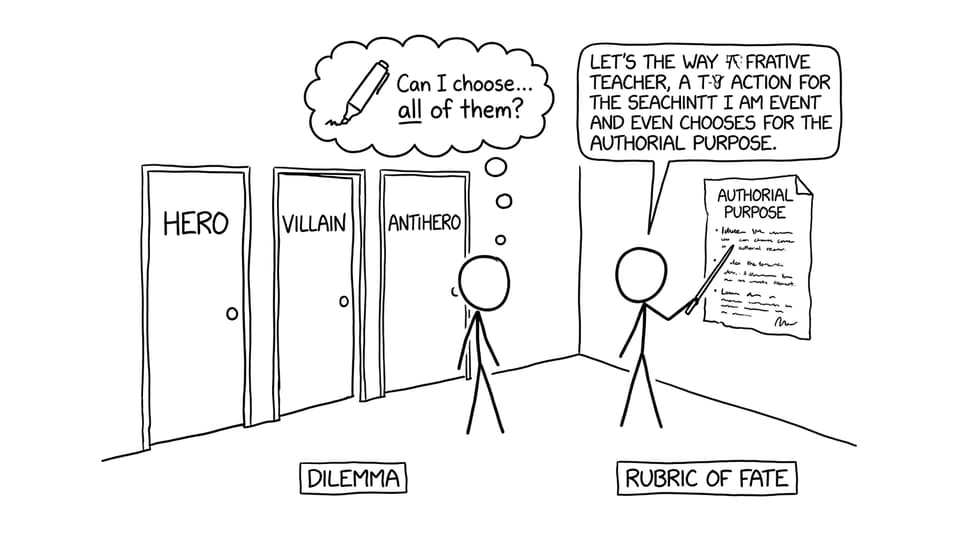
The antihero archetype: where exam essays get interesting
Antiheroes are often the most “modern” feeling archetype because they resist neat moral packaging. They may be selfish, passive, cynical, compromised, or painfully self-aware. And yet the narrative keeps them central.
What to track:
-
Contradiction (they believe one thing and do another)
-
Narrative intimacy (we’re stuck inside their perspective, even when it’s uncomfortable)
-
Moral friction (the text forces the reader to judge, then questions the judgment)
A high-scoring IB English paragraph often looks like this: antihero trait, then technique (voice, irony, structure), followed by reader positioning and thematic meaning.
If you want drill-style practice turning those observations into timed writing, you can use the IB English A Lang & Lit Paper 2 Questionbank and get repeat reps on thesis-building and evidence selection.
Subverting archetypes: the easiest way to sound sophisticated
Most exam texts gain power by blurring categories.
-
A hero causes harm “for the greater good.”
-
A villain has a wound the story won’t let you ignore.
-
An antihero does one unexpectedly generous act that changes the moral temperature of the whole plot.
In IB English, subversion is your shortcut to complexity. It lets you argue that the text is questioning moral absolutes, exposing social systems, or challenging the reader’s desire for simple narratives.
To organise that complexity across texts (especially Paper 2), RevisionDojo’s guide to thematic comparisons across prescribed texts can help you build a clean comparative line.
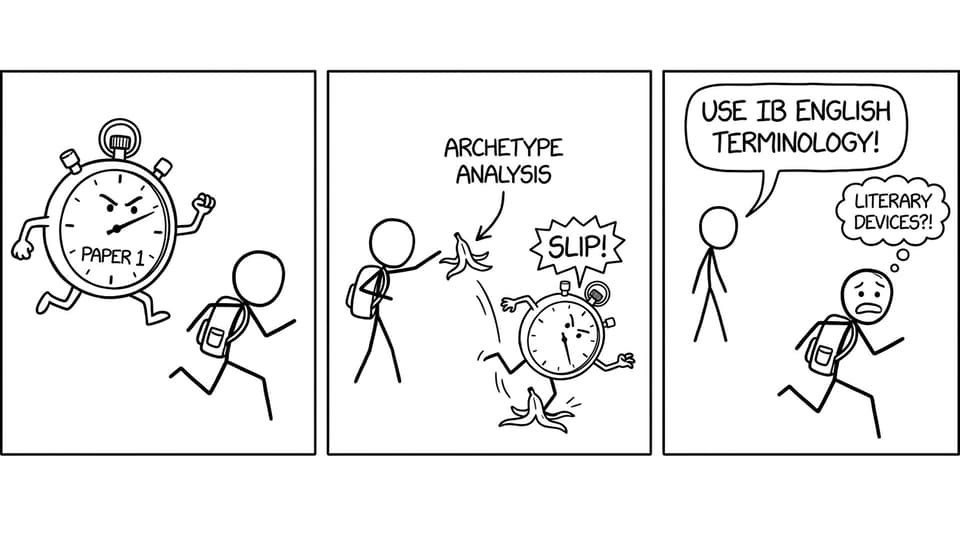
How to turn archetypes into exam-ready paragraphs
Try this template when you’re stuck:
-
Claim the archetype (hero/villain/antihero) in one precise sentence.
-
Name the expected reader response.
-
Show how the writer creates or disrupts that response using techniques.
-
Link to theme and authorial purpose.
When you practice, use RevisionDojo’s English A Lang & Lit course hub for Study Notes and Flashcards, then run a timed response through the English Paper 1 grading tool to see what your analysis is missing.
Closing: make archetypes work for you
Archetypes are not boxes. They’re lenses. In IB English, heroes, villains, and antiheroes become a fast, reliable way to move from “what happens” to “why it matters.” When you show how a text confirms and subverts an archetype, you’re also showing control over characterization, theme, and authorial purpose.
If you want to turn that insight into marks, build a simple routine with RevisionDojo: Study Notes to learn the language of analysis, Flashcards to keep it sharp, Questionbank to practise under time, Mock Exams and Predicted Papers for full runs, Grading tools for honest feedback, AI Chat to refine your thesis, and Tutors when you want a human to challenge your interpretation. That’s how archetypes stop being theory and start becoming an exam advantage in IB English.