


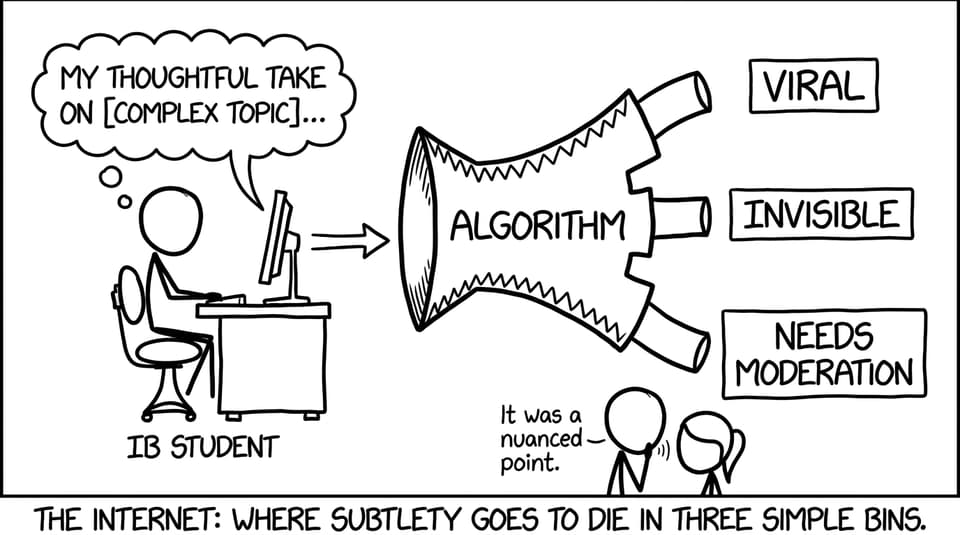
A friend posts a careful, two-paragraph take about a sensitive issue. Ten minutes later, the comments section looks like a storm warning, and the post is either everywhere or nowhere. Nothing about the words changed. The system around the words did.
That is the heart of IB Digital Society when you study expression: digital life doesn’t just “host” speech and creativity. It edits them through design choices, algorithms, rules, and power.
If you can explain that calmly in exams -- with specific impacts on specific communities -- you’re already thinking like a top student in IB Digital Society.
Expression in IB Digital Society (quick exam checklist)
Use this checklist when a prompt mentions speech, creativity, identity, visibility, or online harm:
-
Define expression as communication and creativity through a digital system (not “free speech” in general).
-
Identify the system features shaping expression (ranking, sharing, moderation, monetization).
-
Explain who gains visibility and who loses it.
-
Evaluate limits: Are they transparent? consistent? ethically justified?
-
Link to another concept (power, ethics, identity, inequality) for deeper analysis.
For concept refreshers and topic-level support, keep the IB Digital Society hub bookmarked: IB Digital Society Resources.
What “expression” means in IB Digital Society
In IB Digital Society, expression is the way individuals and communities communicate ideas, values, identity, and creativity using digital systems. That includes text posts, videos, memes, emojis, livestreams, remix culture, and even the small interactions that signal belonging (likes, duets, stitches, reposts).
The key move in IB Digital Society is to treat expression as something enabled and constrained at the same time. A platform can expand who can publish while quietly narrowing who gets seen. It can encourage creative remix while discouraging nuance. It can give you a microphone and then decide where the microphone points.
If you want a focused syllabus-aligned definition and examples, see: 2.2 Expression (IB Digital Society).
How digital systems expand expression (freedom + reach)
One reason expression matters so much in IB Digital Society is scale. Digital platforms reduce barriers to publishing and distribution, which can:
-
Make participation faster and cheaper (posting, streaming, community building)
-
Support niche creative communities across borders
-
Help marginalized voices find audiences that local spaces might deny
-
Allow political participation and civic organizing to happen at speed
But for exam marks, don’t stop at celebration. Move to mechanism: what exactly about the system enables expression? Is it anonymity? low cost of creation tools? network effects? recommendation systems? community guidelines that protect certain groups?
When your analysis starts with system features, your argument becomes easier to prove and evaluate in IB Digital Society.
The limits: moderation, algorithms, and “invisible” control
The tricky part of expression in IB Digital Society is that limits are often indirect. A post may not be “banned,” but it may be buried. A creator may not be “silenced,” but they may be exhausted into quitting.
Common limits you can analyze:
-
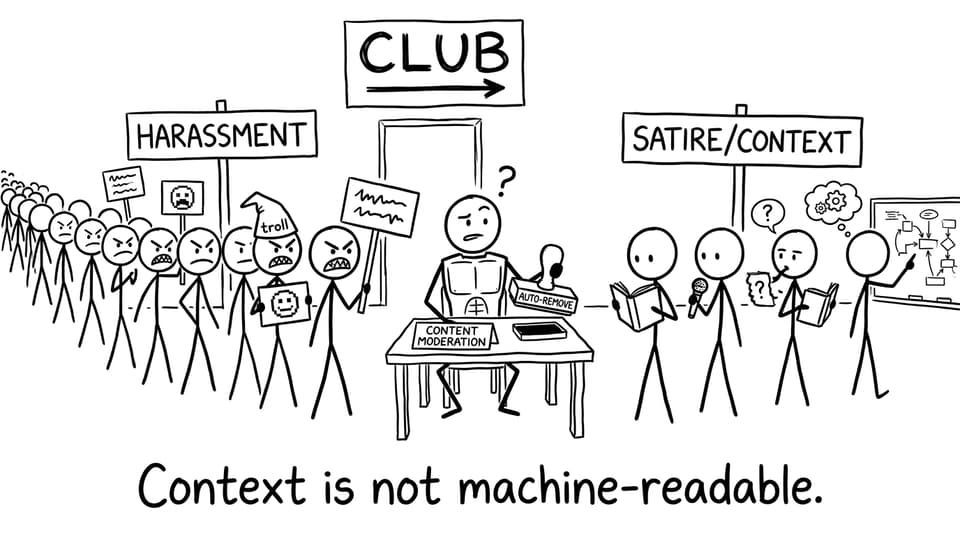
Content moderation decisions (human and automated)
-
Algorithmic ranking that determines visibility
-
Shadow limiting (reduced distribution without clear explanation)
-
Legal and political pressure on platforms
-
Economic incentives that favor outrage or trend-following
A high-scoring answer asks whether these limits are legitimate and proportionate. For example: restricting harassment protects vulnerable users, but overbroad automated removal can erase satire, activism, or minority dialects.
For structured writing under time pressure, this is useful: How to Structure High-Scoring IB Digital Society Exam Answers.
Power: who gets to set the rules of expression?
In IB Digital Society, expression is never just personal. It’s political and economic because platforms act like gatekeepers.
Power shapes expression when:
-
The platform’s business model rewards certain content styles
-
Rules are applied inconsistently across users or regions
-
Governments demand removals or surveillance
-
Influencers and large accounts receive different treatment than ordinary users
A strong exam paragraph often sounds like this: “Expression is shaped by power because the platform controls visibility and enforcement. This creates unequal outcomes for different communities, even when the formal rules appear neutral.”
To practice connecting expression to other concepts (without listing them randomly), see: Connecting Multiple Concepts in IB Digital Society Inquiries and IB Digital Society: How All the Core Concepts Fit Together.
Creativity online: remix culture, ownership, and cultural friction
Digital creativity is one of the most examinable angles in IB Digital Society because it looks positive until you examine authorship and value.
Digital systems encourage:
-
Remixing and recontextualizing media
-
Collaborative creativity (fandoms, open communities)
-
Rapid learning through tutorials and templates
But they also raise hard questions:
-
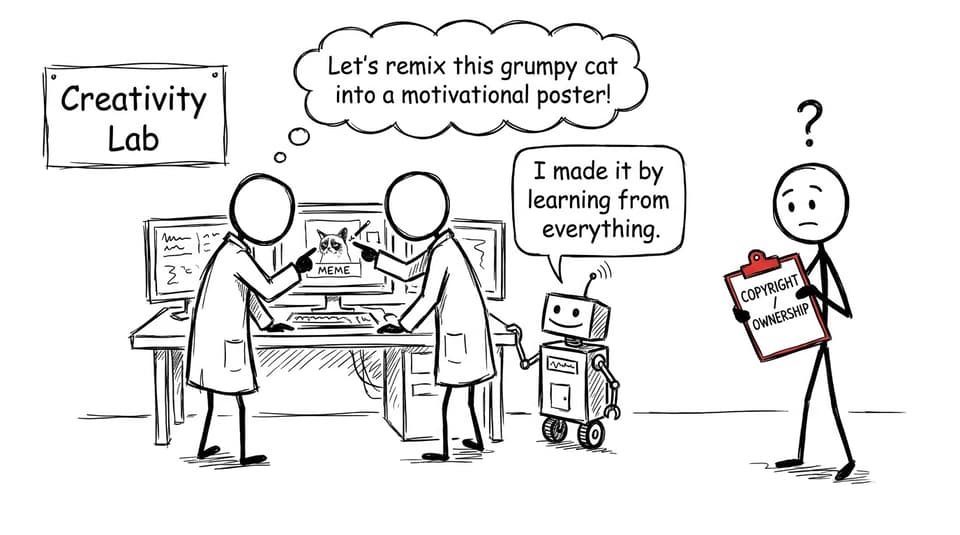
Who owns a remix?
-
Who gets paid, and who gets exposure only?
-
When does borrowing become exploitation or cultural appropriation?
This is fertile ground for evaluation: creativity can be both liberating and extractive depending on how platforms allocate credit, revenue, and visibility.
How to use expression in your IA or inquiry
Expression works best in IB Digital Society inquiries when you pick a specific digital system and a specific community. “Social media affects expression” is too broad. “How does short-form video moderation impact LGBTQ+ educators’ ability to discuss health content?” is the kind of focus that produces analysis.
Helpful IA support:
And if you need definitions that keep your terminology precise in IB Digital Society, use: IB Digital Society Key Definitions.
Closing: expression is a system, not a moment
Expression feels personal because it starts with a human voice. IB Digital Society asks you to notice the invisible architecture that carries that voice -- and sometimes reshapes it. Freedom, creativity, and limits aren’t separate themes. They’re the same story told from different angles: who can speak, who gets heard, and what it costs.
If you want to turn that insight into exam marks, use RevisionDojo as your home base: the Questionbank, Study Notes, Flashcards, AI Chat, Grading tools, Predicted Papers, Mock Exams, Coursework Library, and Tutors are built to make IB Digital Society feel structured even when the world online doesn’t. Start with IB Digital Society Resources and practice writing one paragraph today that explains how a digital system shapes expression -- then evaluate who benefits and who pays the price.
