IB SEHS exercise responses: the marks you lose quietly
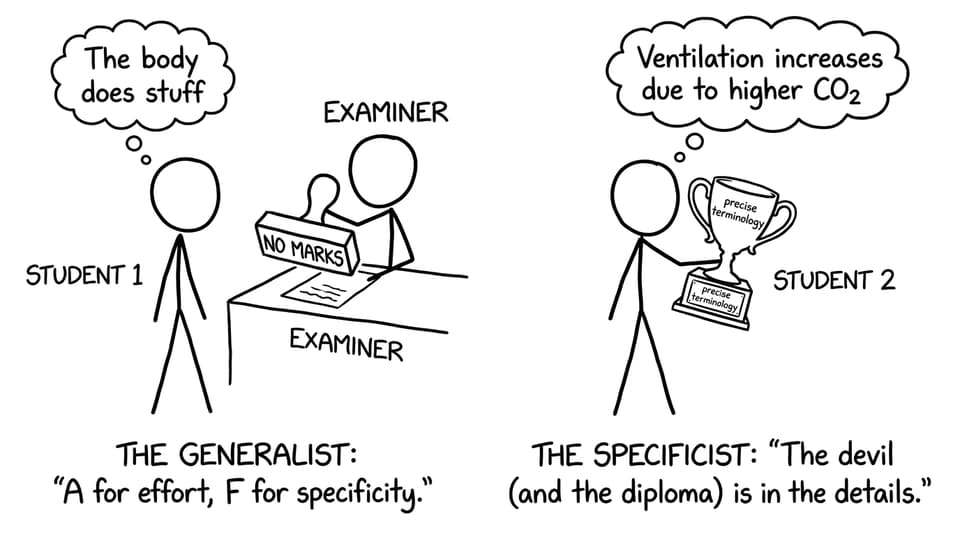
In IB SEHS, exercise response questions are the kind that feel easy right up until you see your marks. You know the content. You can picture the lungs working harder and the heart racing. But under exam pressure, many answers dissolve into a list: “heart rate up, breathing up, blood pressure up.” The examiner is left thinking: Yes… and?
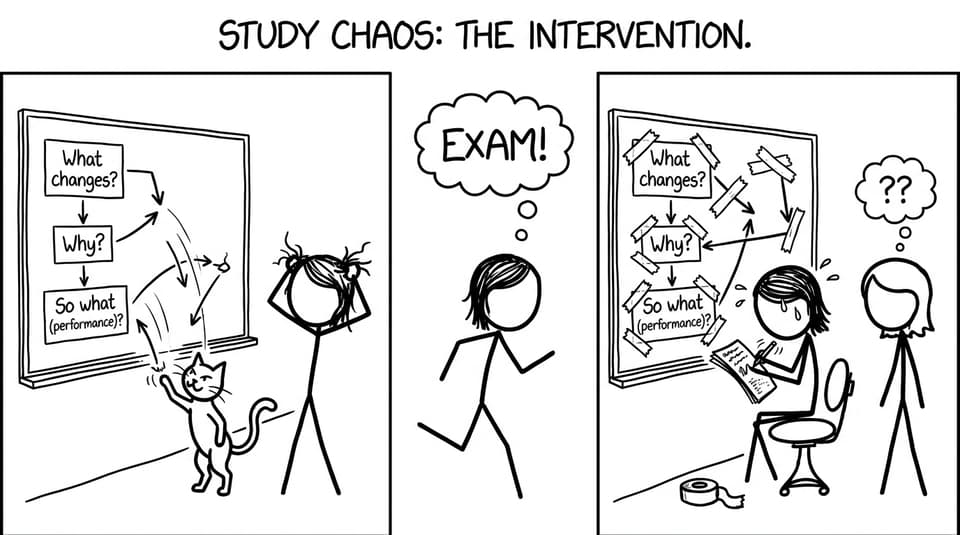
In IB SEHS, high marks come from explanations, not observations. The body doesn’t just change--it changes for reasons, and those reasons support performance, delay fatigue, and maintain homeostasis.
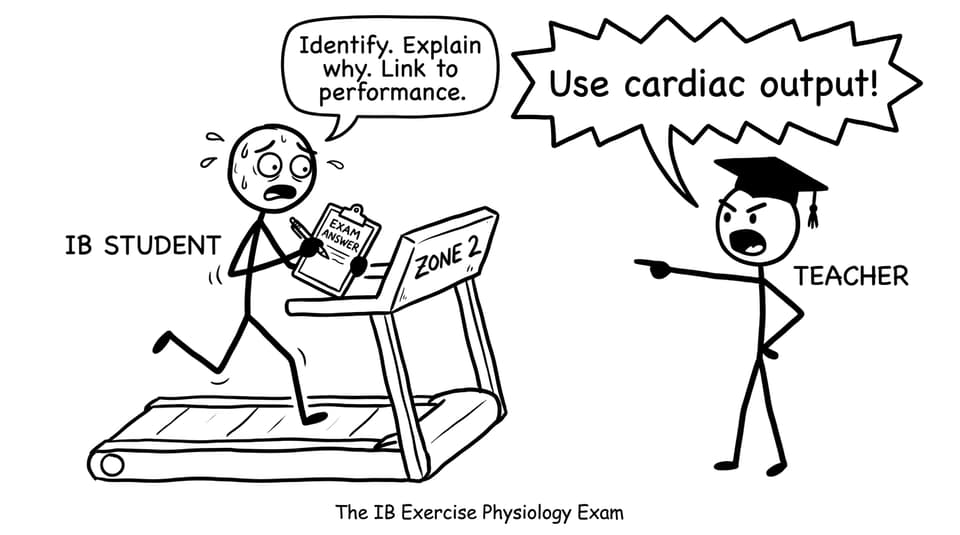
A fast checklist for IB SEHS exercise response questions
Use this every time you answer an IB SEHS exercise response prompt:
-
Identify the response (what variable changes?)
-
Explain why it changes (physiological cause)
-
Link to performance (so what? oxygen delivery, CO2 removal, fatigue delay)
-
Use precise terminology (cardiac output, tidal volume, ventilation)
-
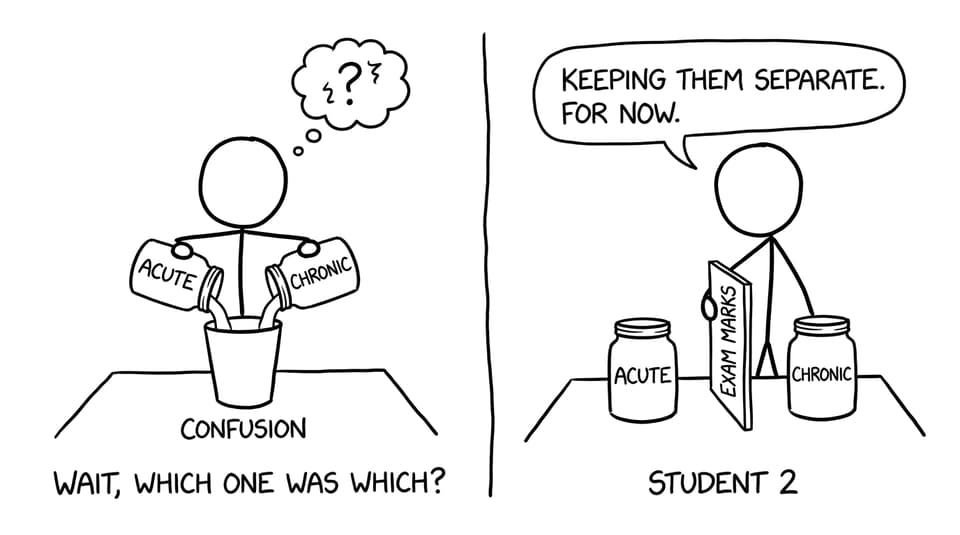
Keep acute responses separate from chronic adaptations
If you want a deeper refresher before drilling questions, start with How to Revise Exercise Responses and then browse all IB SEHS posts.