


Digital systems rarely announce themselves as culture-shifters.
They arrive as “just an app,” “just a new policy,” or “just a faster way to share.” Then, quietly, the rules of everyday life move. What counts as polite. What counts as credible. What counts as being “seen.”
That is the heart of IB Digital Society: cultural change is not a side effect of technology. It is the story. And in exams, the highest-scoring answers show that story with precision--linking a specific digital system to shifting norms, identities, power, and context.
If you want a wider map of the subject first, start with What Is IB Digital Society? and then return here with your exam brain switched on.
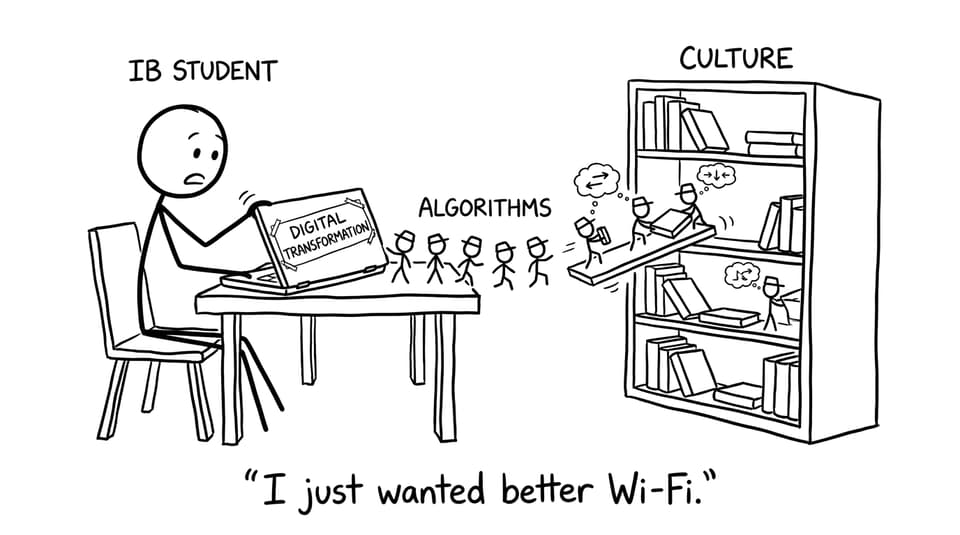
Cultural change in IB Digital Society (what it actually means)
In IB Digital Society, cultural change means shifts in shared values, norms, behaviours, symbols, and identities as digital systems become embedded in everyday life. Culture is bigger than “trends.” It includes how people:
-
communicate and interpret tone
-
perform identity and belonging
-
decide what is normal, acceptable, or “cringe”
-
treat authority, expertise, and knowledge
A key exam move: don’t describe culture as individual choice (“people prefer texting”). Analyse culture as system-shaped (“platform design and algorithmic visibility reward short, emotive content, changing what gets attention”).
To anchor your definitions and course language, the IB Digital Society Resources hub is a reliable starting point.
Digital transformation in IB Digital Society (more than new tools)
Digital transformation is the integration of digital systems into social, economic, and cultural practices--so deep that institutions and relationships change shape.
In IB Digital Society, transformation usually shows up as changes in:
-
interaction (from local, slow, face-to-face to networked, fast, persistent)
-
meaning (what counts as “real,” “official,” or “trustworthy”)
-
authority (who gets heard, who gets verified, who gets banned)
If you’re revising the content areas that often connect to culture (like algorithms and platforms), the IB Digital Society Topic 3 hub helps you organise what to learn first.
Quick checklist: how to write about cultural change in exams
Use this as a 30-second plan before you start writing (or as a mini-markscheme for your own drafts):
-
Name the digital system (platform, algorithm, recommender, moderation system, data broker, etc.)
-
Identify the cultural norm/value shifting (identity, belonging, humour, news habits, language, rituals)
-
Explain the mechanism (personalisation, ranking, metrics, network effects, monetisation)
-
Compare individual vs community impacts
-
Analyse power (who benefits, who becomes invisible, who sets the defaults)
-
Evaluate ethics with context (not moral panic, not tech worship)
To practise this structure under time pressure, RevisionDojo’s Questionbank is built for targeted, exam-style repetition.
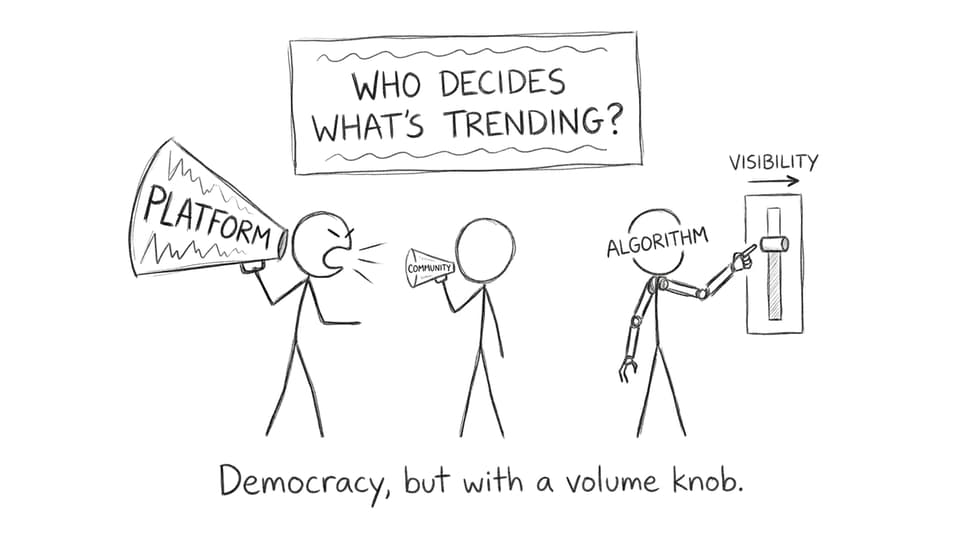
The mechanism that drives cultural change: visibility
A useful way to think about culture in IB Digital Society is as a competition for attention. Digital systems don’t just host culture; they rank it.
When a platform decides what appears in feeds, searches, recommendations, or “For You” pages, it is shaping what feels common. And what feels common becomes normal.
That is why top answers use verbs like amplifies, normalises, marginalises, incentivises, filters, curates. They show cultural change as the product of design choices.
Individuals: identity becomes performance
At the individual level, digital transformation can turn identity into something you manage.
-
Self-expression expands (new communities, new creative formats, new language).
-
Social pressure intensifies (streaks, response-time norms, “always-on” presence).
-
Attention habits shift (micro-content, notification-driven interaction).
In IB Digital Society, a strong point is that these experiences vary by age, culture, and access. The same platform can be liberating for one student and exhausting for another.
Communities: rituals change, boundaries shift
At the community level, cultural change often shows up as:
-
transformed rituals (celebrations, activism, grieving, fandom)
-
redefined boundaries (who counts as “in” the group)
-
faster norm enforcement (dogpiling, cancelation, moderation disputes)
When you build case studies, keep them short and reusable. This is exactly what Using Case Studies for Better Learning in Digital Society recommends: concise summaries you can adapt to many prompts.
Power, profit, and whose culture gets to travel
Culture online is not weightless. It moves through infrastructure owned by organisations with incentives.
In IB Digital Society, power analysis includes:
-
who controls visibility (platform companies, governments, influential creators)
-
how algorithms prioritise certain content (engagement, watch time, ad revenue)
-
which languages and regions get better moderation and safety
This is where you earn evaluation marks: you can argue that digital systems both diversify voices and reinforce dominant narratives, depending on context.
If your notes feel messy across themes like culture, politics, and inequality, use the workflow in Effective Note-Taking Tips for IB Digital Society to organise by concept, not by app.
Global connection vs cultural homogenisation
Digital transformation can connect cultures globally, but it can also flatten them.
A balanced IB Digital Society evaluation sounds like:
-
Global platforms can spread dominant cultural norms via defaults, templates, and algorithms.
-
Local cultures can adapt creatively, remixing global formats with local meaning.
-
Some communities resist through language choices, alternative platforms, or offline-first norms.
The exam difference-maker is avoiding inevitability. You’re not proving that culture “will” homogenise. You’re analysing conditions under which it might.
How RevisionDojo helps you turn analysis into marks
Knowing concepts is not the same as scoring well. RevisionDojo is designed to turn understanding into performance:
-
Study Notes to clarify the mechanism behind cultural change
-
Flashcards to lock in definitions (culture, transformation, power, identity, visibility)
-
AI Chat to test explanations and spot vague claims
-
Grading tools to learn what examiners reward in evaluation
-
Mock Exams to build timing and stamina
-
Predicted Papers to rehearse realistic exam formats
-
Coursework Library and Tutors when you need IA-level structure and feedback
For a full strategy that connects study habits to exam outcomes, Ultimate Survival Guide for IB Digital Society Students is worth bookmarking.
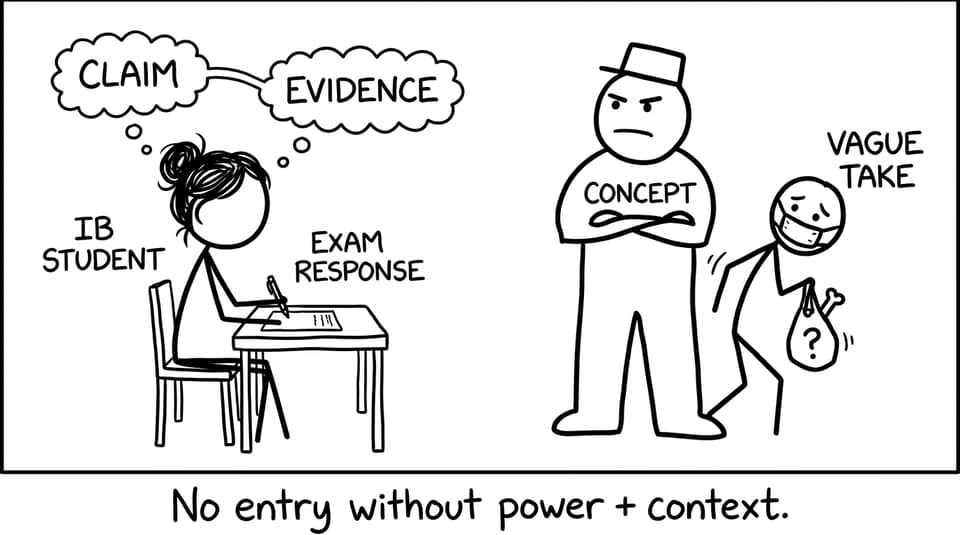
Conclusion: make cultural change visible
The best IB Digital Society answers do something simple and rare: they make the invisible visible.
They show how digital transformation shifts norms through mechanisms like visibility, metrics, and personalisation. They explain cultural change across individuals and communities. And they evaluate power and ethics without turning the response into a rant.
If you want to train that skill fast, build a loop inside RevisionDojo: Study Notes to get clear, Flashcards to retain, Questionbank to apply, then Mock Exams and Predicted Papers to rehearse under pressure. Cultural change is happening anyway. Your job is to explain it well--and get the marks for it.
