A week before the deadline, a lot of TOK essays start to look the same.
Not because students are lazy, but because pressure pushes smart people toward shortcuts: vague examples, recycled buzzwords, and paragraphs that drift away from the prescribed title. The frustrating part is that these mistakes don’t come from “not understanding TOK”, they come from forgetting what TOK examiners reward: focus, evaluation, and balance.
This guide breaks down the most common mistakes students make in the TOK May 2026 essay, and the simple habits that prevent them.
TOK May 2026 quick checklist (save this before you draft)
Before you write (and again before you submit), ask:
-
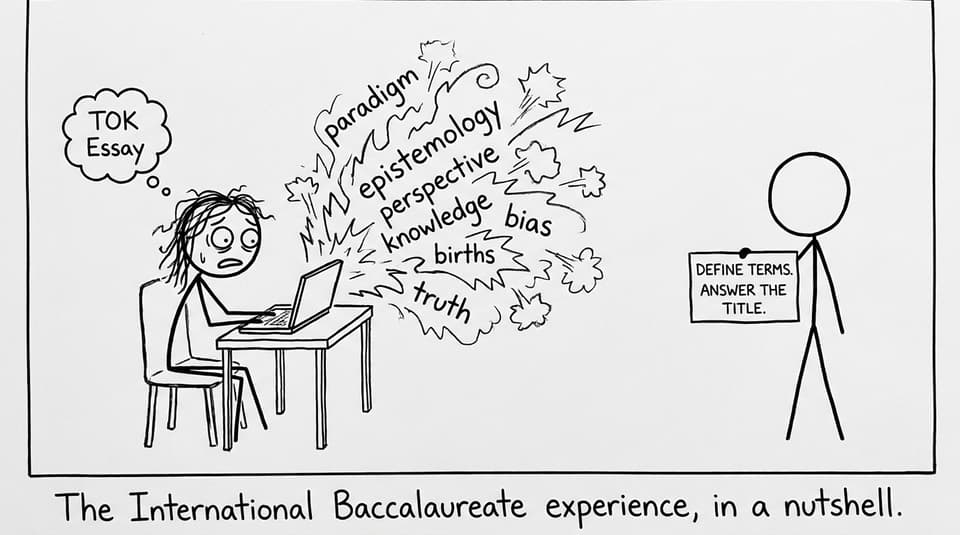
Does every paragraph answer the prescribed title directly?
-
Did I define the key terms in the title in my own words?
-
Are my examples specific and then analyzed (not just described)?
-
Do I include a counterclaim for each main claim and evaluate which is stronger?
-
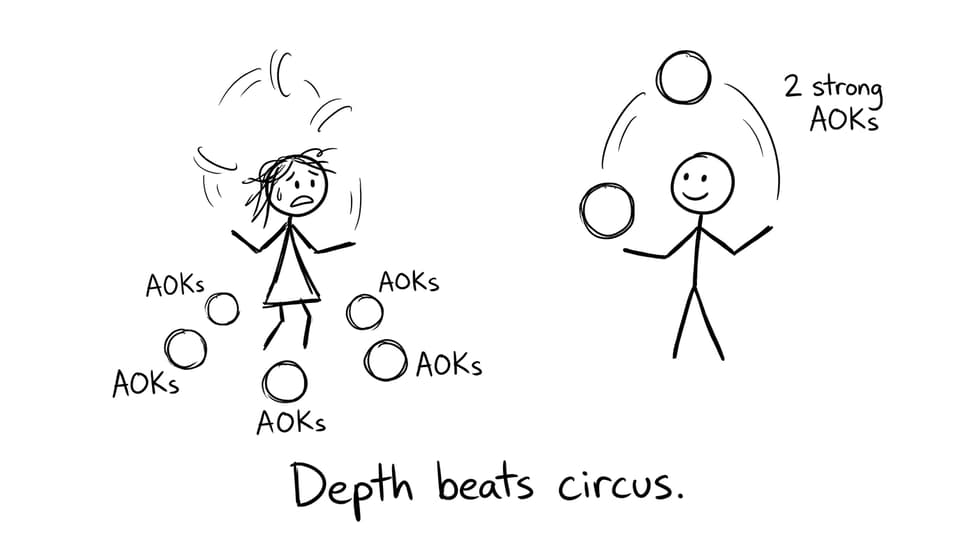
Do I stay with two strong AOKs instead of skimming four?
-
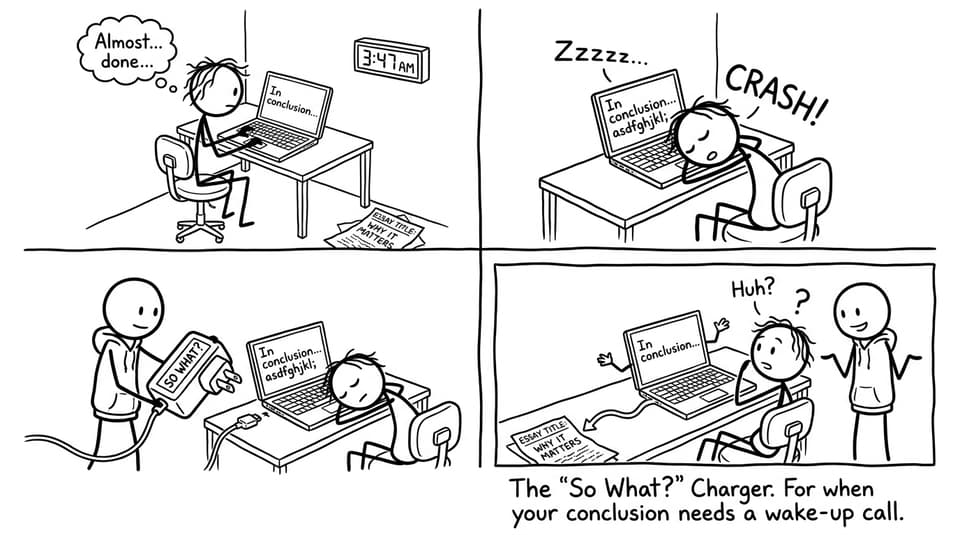
Does my conclusion actually resolve the question?
If even one of these is shaky, your TOK mark is leaking in a way that’s fixable.
Mistake: treating the prescribed title like a theme
A classic TOK trap is writing around the title instead of into it. Students pick a topic they like (truth, ethics, science, art) and then loosely attach it to the question. Examiners don’t reward interesting detours.
How to avoid it: Turn the title into a one-sentence “mission statement” and keep it visible while drafting. Break down command terms and key concepts before you argue.
If you need title-by-title clarification, use the May 2026 TOK essay prompts explained and the RevisionDojo Ultimate TOK May 2026 Essay Guide to see what each prompt is really asking.
Mistake: describing examples instead of evaluating them
In TOK, examples are not “proof.” They’re fuel for evaluation. Many essays mention a real-life situation, then move on too quickly. The result reads like a case-study list, not a knowledge essay.
How to avoid it: Use a repeatable paragraph rhythm:
-
Claim (answering the title)
-
Example (specific, real-world)
-
Analysis (how the example supports the claim)
-
Counterclaim (where the claim breaks)
-
Link back (what this means for the prescribed title)
If you’re doing Title 1, RevisionDojo’s breakdown of TOK May 2026 Title 1 (Observation) shows how to keep “observation is flawed” from becoming just a summary.
Mistake: skipping counterclaims (or adding “token” ones)
TOK isn’t debate club, but it is balanced thinking. Essays without counterclaims feel like you decided the answer first and then hunted for support. Essays with weak counterclaims feel like you’re pretending to be balanced.
How to avoid it: Build counterclaims that could genuinely convince a reasonable person. Then evaluate. Which side holds under pressure? Under what conditions?
To make this easier, borrow structures from Best counterclaims for the May 2026 TOK essay titles and map them using the TOK essay planning templates for May 2026 titles.
Mistake: using vague examples that sound “academic”
Phrases like “science shows” or “history proves” feel safe, but they remove the very thing TOK needs: precision. Vague examples also make it hard to evaluate limitations, because there’s nothing concrete to question.
How to avoid it: Choose examples with built-in tension (bias, uncertainty, interpretation, conflicting methods). The moment your example becomes specific, your TOK analysis becomes easier.
If you’re still deciding what you can write about confidently, use How to choose the best TOK May 2026 title for your essay and Comparing the May 2026 TOK titles: which is easiest, which is hardest.
Mistake: trying to cover too many AOKs
Some students treat AOKs like a checklist: natural sciences, history, human sciences, arts… and suddenly each paragraph has one thin example and no depth.
How to avoid it: Pick two AOKs that let you make different points about the title. Depth creates sophistication. Breadth without depth creates noise.
Mistake: weak openings and rushed conclusions
The introduction is where you earn trust: definitions, your line of argument, and how you’ll compare AOKs. The conclusion is where you earn marks: answering the prescribed title after the evaluation.
How to avoid it: Write the conclusion last, but plan for it early. If you keep running out of space, you’re probably overwriting description.
Word count also matters in TOK. Use TOK May 2026 essay word count: how long should it be? to plan a structure that gives evaluation room to breathe.
Final thought: write TOK like you’re trying to be understood
The best TOK May 2026 essays aren’t “fancier.” They’re clearer. They make one careful claim, test it with a specific example, confront a real counterclaim, and then return to the prescribed title with a slightly wiser answer.
When you’re ready to tighten your draft, RevisionDojo is built for this exact moment: use Study Notes for quick clarity, Flashcards for key terms, AI Chat to stress-test claims, and Grading tools to spot where your evaluation is thin. Add targeted practice with the Questionbank, then sharpen timing with Mock Exams and Predicted Papers. If you want guided feedback, the Tutors and Coursework Library can keep your TOK writing grounded and examiner-ready.
For a step-by-step polish process, follow How to revise and edit your TOK May 2026 essay and lock in a structure that stays focused on TOK from first sentence to last.

