
The night a side quest became revision
You tell yourself it’s just a break. One dungeon. One match. One more dialogue tree.
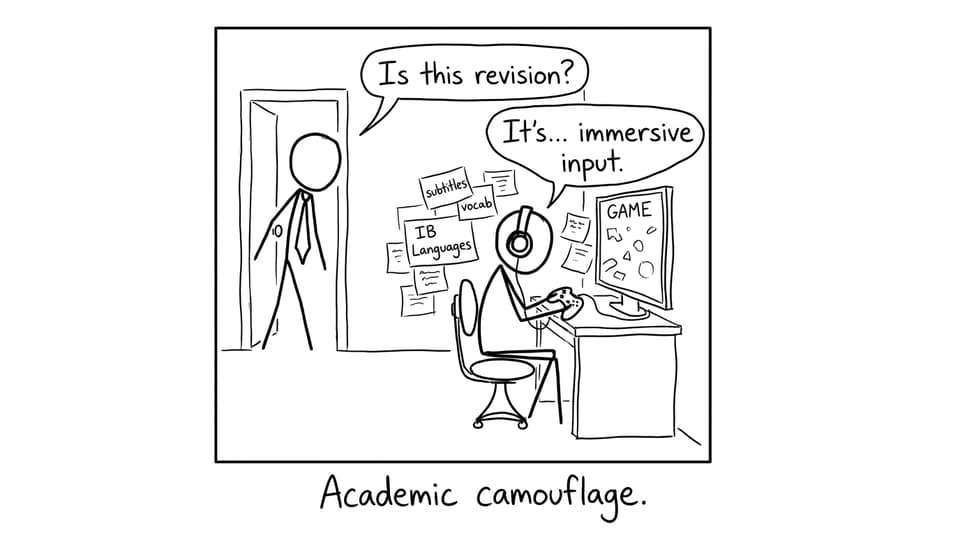
Then something odd happens: you don’t translate the sentence in your head. You just understand it. Not perfectly, not elegantly, but enough to act. And for IB Languages, that small moment matters because it’s the same skill your exams reward: meaning first, perfection second.
The question isn’t whether games can teach you anything. They can. The real question for IB Languages students is whether gaming can become reliable input and practice without quietly stealing your exam prep time.
Quick checklist: turn gaming into IB Languages practice
-
Pick a game with lots of dialogue and clear objectives
-
Switch interface + subtitles into your target language
-
Capture 10 useful phrases per session (not 100 random words)
-
Speak back key lines out loud (yes, even if it feels weird)
-
Convert phrases into spaced repetition (Flashcards)
-
Once a week, turn game language into an exam-style task
If you want the course-side foundations first, start with Ab Initio coursework structure and tips or compare pathways via Language B vs Language ab initio: how to choose.
Why video games help (and where they don’t)
Games are built for attention. That’s their superpower. For IB Languages, attention is half the battle because language sticks when your brain believes it needs the message.
Context gives vocabulary a home
A quest log, an item description, an argument between characters; it creates context. Words become tools, not flashcard trivia. This supports the same thematic thinking you need in IB Languages (identities, experiences, social organization, etc.). For theme-based revision, pair gaming with how to effectively revise for Language B exams.
Motivation beats “perfect routines”
A 20-minute session you actually do beats a 90-minute plan you avoid. Games can provide that consistency. Then you use your serious tools (Study Notes, Flashcards, and targeted practice) to shape it into exam performance.
The limit: games don’t grade you like IB does
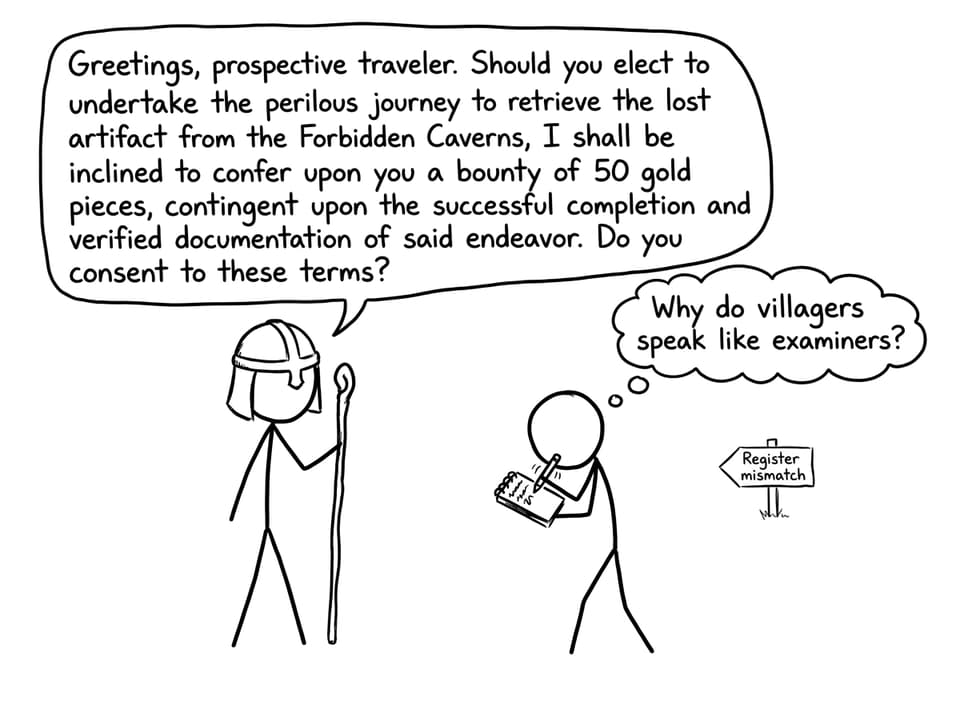
Games rarely care about register, text type conventions, or criterion-based accuracy. That’s where students get trapped: they feel fluent in-game, then freeze in writing or oral tasks.
A simple method: the “Quest Log to Criterion” routine
Use this three-step loop to make gaming directly useful for IB Languages exams.
Collect: 10 phrases, not 50 words
After playing, write down 10 chunks you could reuse: connectors, opinion frames, reaction phrases.
Then turn them into RevisionDojo Flashcards (chunk on the front, when-to-use + variation on the back). This makes your language feel automatic under time pressure.
Convert: one mini writing task per week
Once a week, use your game content as a prompt:
-
Write a short message to a friend describing a plot twist
-
Write a short review of the game in the target language
-
Write advice to a new player (imperatives + sequencing)
To align with assessment expectations, use tips for writing a successful Language B essay and check for common traps via how to avoid common mistakes in Language B writing.
Practice: speak back the scene
Pick one scene and retell it aloud for 60 seconds. Then answer two follow-up questions you invent.
If your goal is the oral, anchor your practice with 10 tips to prepare for your IB Language B oral exam or go deeper with mastering Language B oral practice.
Multiplayer: the hidden speaking test
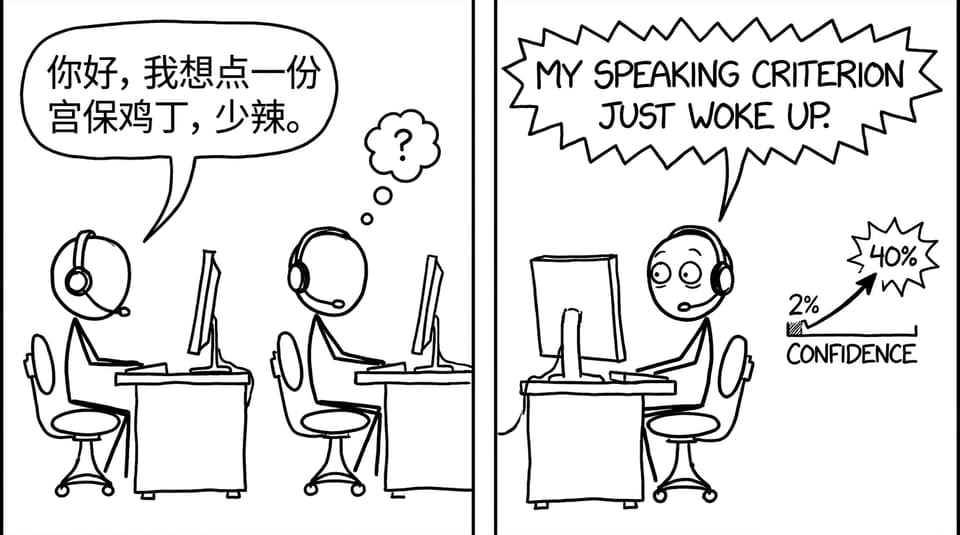
Online games can be a cheat code for IB Languages speaking, but only if you control the chaos.
Try this:
-
Join a Discord or in-game group in your target language
-
Set one “speaking mission” per session (ask for help, explain a plan, give directions)
-
Save 3 phrases that helped you communicate under pressure
If you need a structure for accountability, use how to find a study partner for Ab Initio language learning and then make it exam-focused with RevisionDojo’s AI Chat, Tutors, and Grading tools.
The real win: make your hobby carry your revision
If you’re aiming higher in IB Languages, don’t argue with your habits; design them. Let games supply the input, the curiosity, the reasons to keep going. Then use RevisionDojo to shape that raw exposure into marks: Flashcards for retention, Study Notes for clarity, Questionbank for targeted practice, AI Chat for quick explanations, Grading tools for feedback, Predicted Papers and Mock Exams for pressure training, and Tutors when you want human precision.
Play, yes. But play with a plan. That’s how IB Languages stops being a subject you “do” and becomes a skill you can trust on exam day.