


AI speech analysis for IB presentations is like switching on the lights in a messy room. You still have to clean, but now you can finally see what’s on the floor.
Most IB students rehearse the same way: read a script, hope it sounds natural, then promise to “speak slower next time.” The problem is memory is generous. It forgets the rushed sections, the repeated “like,” the breathless conclusion where your best idea arrives 30 seconds after time.
AI speech analysis doesn’t replace a teacher. It replaces guesswork. And for IB students preparing for exams and assessed orals, that one change matters.
Why oral performance matters in the IB
In the IB, your speaking isn’t just “presentation skills.” It’s assessed communication: structure, clarity, and control under time pressure.
If you’re preparing for the English Individual Oral, start by understanding the format and expectations in Language A Individual Oral: How to Score Higher with AI Help. For a broader overview of the assessment shape, Cracking the Individual Oral: The Ultimate Guide for IB Students is a strong reference point.
And if TOK is your battlefield, the stakes are similar: explain complex thinking simply, out loud, without losing the thread. The theme guide Understanding Knowledge and Language as a TOK Theme helps you build arguments that sound precise rather than poetic.
A quick IB checklist: what AI speech analysis should measure
Before you pick any tool or workflow, make sure your AI speech analysis can show you at least a few of these:
-
Pacing (words per minute, plus where you speed up)
-
Filler words (um, like, basically, you know)
-
Pauses (too few can sound rushed; too many can break logic)
-
Clarity (mumbled segments, trailing sentences)
-
Structure signals (did you actually say what you think you said?)
This is where IB prep becomes practical: you stop “practising more,” and start practising the right 90 seconds.
How AI speech analysis works (and why it helps IB students)
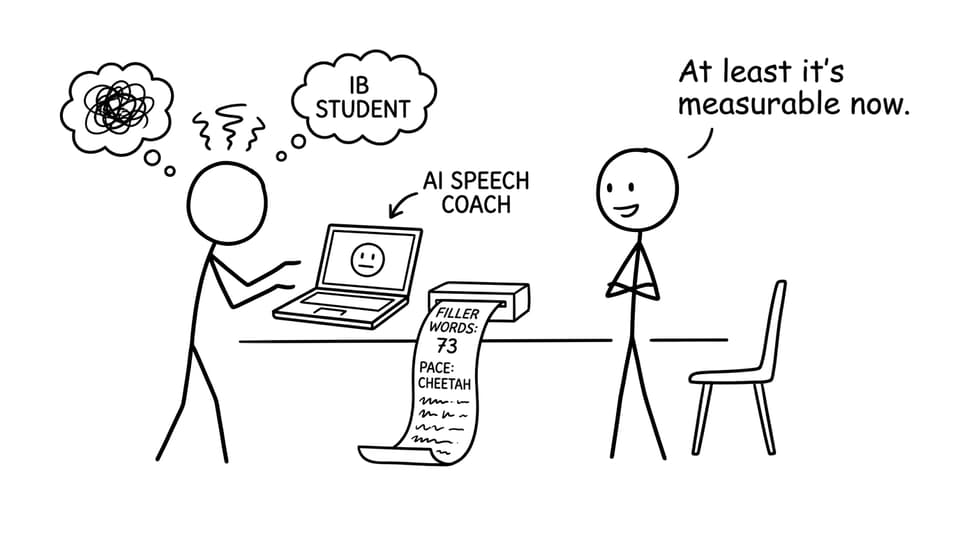
Most AI speech analysis tools run a simple pipeline: speech-to-text transcription, then pattern detection. They count fillers, map speed over time, and flag unclear delivery. Some evaluate tone and intonation, but the best value for IB students is usually the boring stuff: timing, clarity, structure.
Think of it like this: your teacher can tell you the argument is strong but the middle is messy. AI can tell you the middle is messy because you jumped from point 2 to point 4, said “actually” nine times, and went from 135 WPM to 190 WPM exactly when you reached your key quote.
RevisionDojo’s edge is that you can connect this practice to the rest of your IB system: build knowledge with Questionbank style drills, then rehearse explanations out loud, then refine your delivery using rubric language.
A simple 20-minute loop for IB oral prep
Here’s a calm routine you can repeat three times a week. It works because it’s measurable.
Record one take under real constraints
Pick a narrow slice: an introduction, one extract analysis, or your conclusion. Keep it timed. If you’re training for the IO, align to the real structure using How to Approach the IB English Individual Oral (IO) Presentation: A Step-by-Step Guide.
Run AI speech analysis and choose just two fixes
Common IB fixes that move marks:
-
Cut fillers by replacing them with a planned pause.
-
Slow down only on the sentence that contains your claim.
-
Add signposting: “My line of inquiry is…”, “This links to the global issue because…”.
Re-record immediately
Don’t wait a day. The point is to build a feedback loop while your brain still remembers the feeling of the mistake.
For longer-term structure, you can turn recurring issues into Flashcards inside RevisionDojo (for example: your top five global-issue sentence starters), then reinforce them alongside your wider exam prep on RevisionDojo | IB & MYP Resources.
Where RevisionDojo fits: make AI feedback match IB criteria
AI speech analysis is only useful if it lines up with what the IB rewards.
For rubric alignment, compare your speech results (clarity, organization, language) to how criteria are described in Language A Internal Assessment (IA) Rubric. Then practise like an examiner is listening by using the dedicated tool at IB Language A: Individual Oral Grader.
RevisionDojo also supports the rest of your preparation ecosystem: Study Notes for crisp content, Flashcards for daily recall, AI Chat to unblock confusion, Grading tools for rubric thinking, Predicted Papers and Mock Exams for realistic timing pressure, plus Coursework Library and Tutors when you need human depth.
Data privacy and realistic limits (keep this IB-smart)
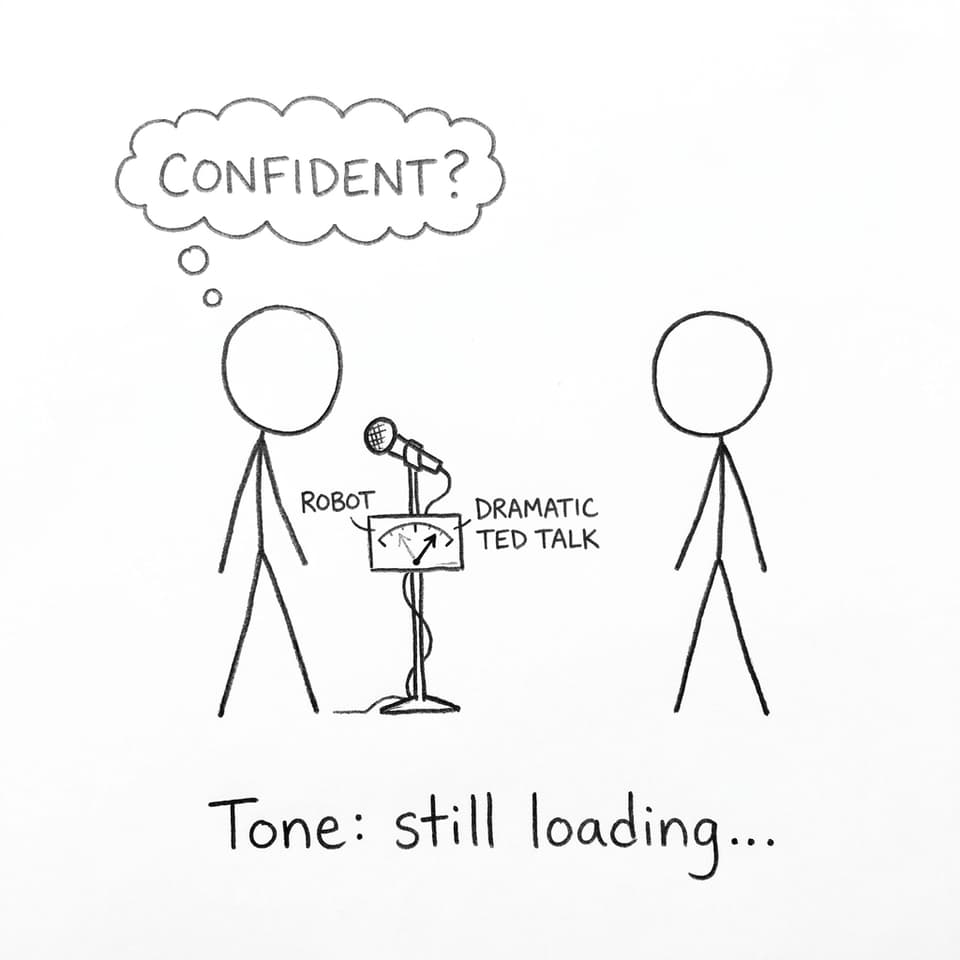
AI speech analysis tools aren’t neutral. They can misread accents, misunderstand code-switching, and sometimes penalize rhetorical pacing that is actually effective in TOK.
So for IB students, the rule is simple: use AI for metrics, not verdicts. If a tool says your tone is “flat” but your teacher says your reasoning is clear and persuasive, trust the human. Use the AI report to test variations, not to rewrite your personality.
Conclusion: make IB speaking practice measurable
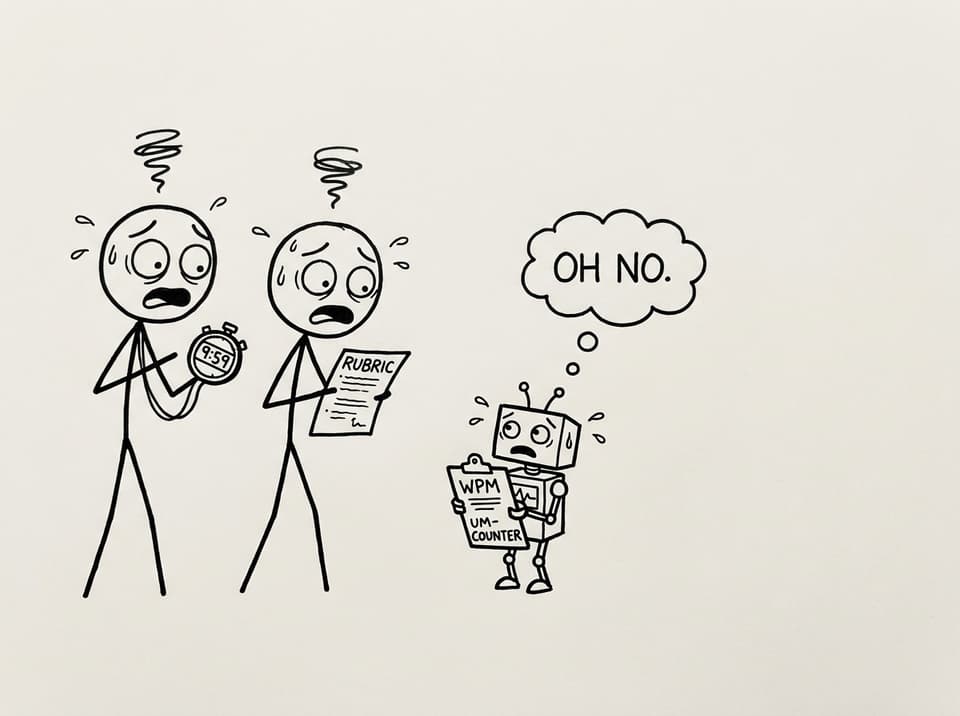
The fastest improvement in IB orals often comes from small, repeatable corrections: one cleaner transition, one slower claim sentence, one less panicked ending. AI speech analysis helps you find those corrections without guessing.
If you want a full system, connect your speaking loop to RevisionDojo: use the Individual Oral guides for structure, practise with the Questionbank mindset for consistency, use AI Chat when you get stuck, and align your delivery with the IO grader and rubric tools. In the IB, confidence isn’t a personality trait; it’s the result of rehearsing with feedback you can trust.