
The hidden challenge in every IB exam: time
The first time you sit an IB exam that stretches past an hour, it can feel strangely personal. Not because the questions are impossible, but because the clock keeps moving even when your brain doesn’t. And that’s the point: IB exam length is designed to test stamina, pacing, and decision-making under pressure, not just knowledge.
If you understand how long IB exams typically are, you stop treating time like a surprise attack and start treating it like a resource you can budget.
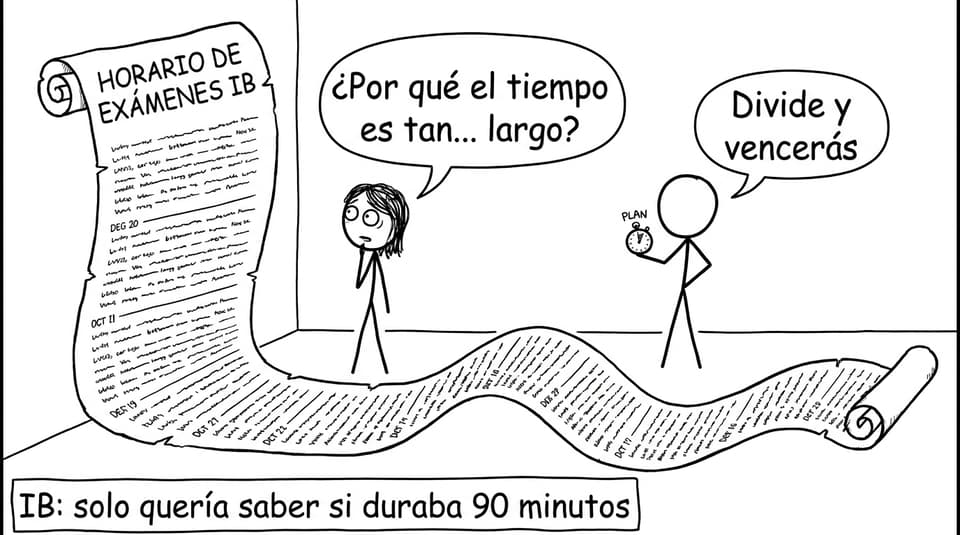
Quick IB exam time checklist
Before you revise another topic, get clear on these basics of IB timing:
-
Know your paper lengths (per subject, SL/HL, Paper 1/2/3 where relevant).
-
Convert duration into “minutes per mark” (a simple pacing rule).
-
Decide when you’ll move on if you’re stuck.
-
Practice at least one timed block weekly (a section counts).
A good system makes this automatic. Tools like the RevisionDojo Study Planner help you schedule timed practice so exam length stops feeling like a cliff.
How long are IB exams, typically?
There isn’t one fixed answer because IB exams measure different skills across subjects. But most papers fall into familiar ranges:
Short IB papers (45-75 minutes)
These often focus on targeted skills: interpreting data, short responses, or structured problems. They reward accuracy and quick interpretation.
To train for these, do tight timed sets in the Questionbank, then ask Jojo AI Chat why a mark is lost, not just what the answer is.
Medium IB papers (75-120 minutes)
This is the most common “marathon-lite” zone: enough time to drift, but not enough time to recover if you overspend early.
RevisionDojo’s How to Study for IB Exams: Step-by-Step Guide pairs well here: Study Notes for clarity, Flashcards for recall, then timed practice to make pacing real.
Long IB papers (120+ minutes)
Longer papers are common when writing, analysis, or multi-step reasoning is central. They test whether you can stay structured when fatigue shows up.
This is where timed simulations help most: use IB Predicted Papers or timed Mock Exams to rehearse the full cognitive load.
Why IB exam length feels harder than it “should”
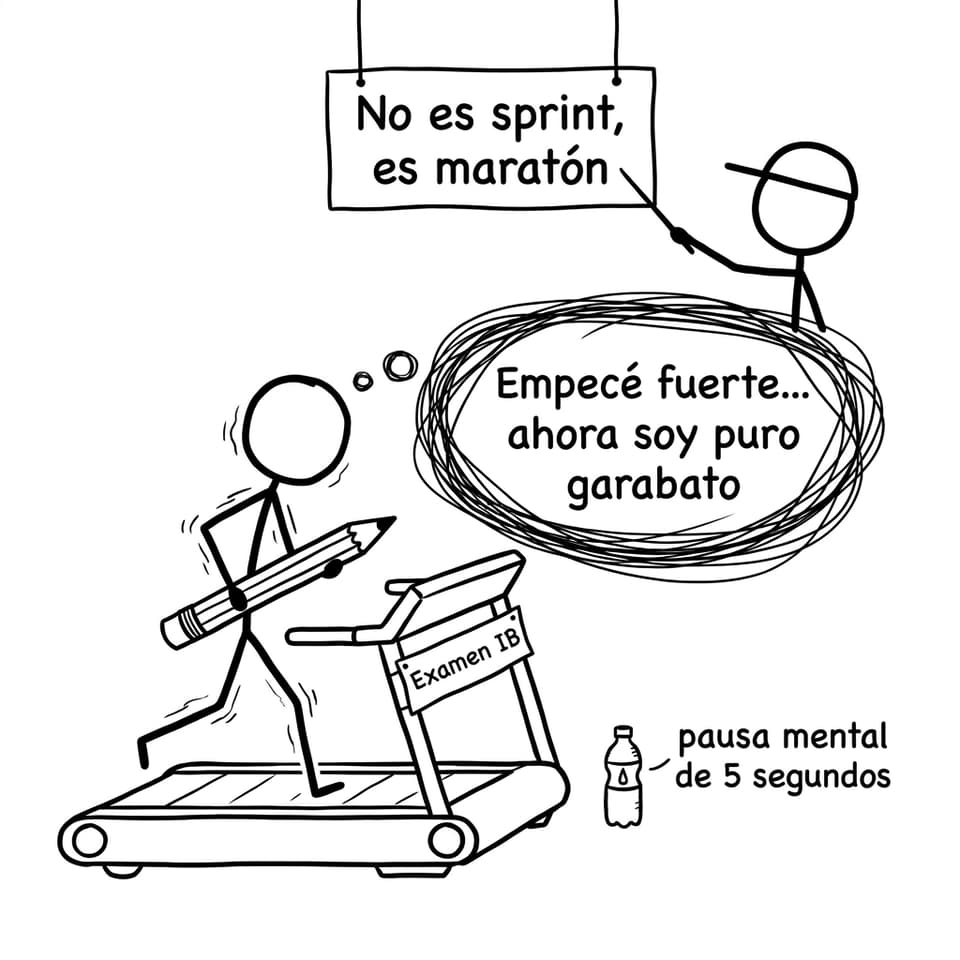
In IB, time pressure creates a specific kind of mistake: you start to trade clarity for speed without noticing. Your handwriting slips. Your structure loosens. You reread the same line three times.
Long exams aren’t automatically harder; they just punish unmanaged energy.
A calm way to prepare is to build a loop:
-
Learn with RevisionDojo for IB
-
Lock memory with IB Flashcards
-
Apply under pressure with the Questionbank
-
Get feedback using AI Chat and grading tools inside the RevisionDojo workflow
The biggest IB timing mistake (and the fix)
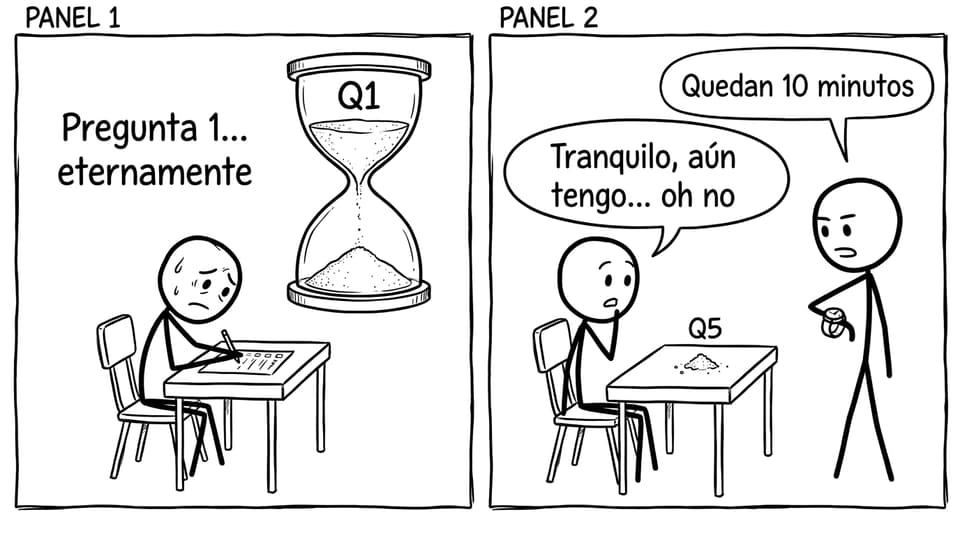
The classic IB timing error is spending too long on early questions “to secure marks.” It feels responsible, until the final section becomes a sprint.
Fix it with one rule: decide your move-on time before the exam starts.
Try this during practice:
-
Set a hard cap per question (minutes per mark works well).
-
When the cap hits, leave a placeholder line and move.
-
Return only if you finish the paper once.
Conclusion: make IB exam time feel familiar
The most confident IB students aren’t faster thinkers; they’re calmer budgeters of time. Once you know typical IB exam length patterns and train pacing on purpose, the clock stops being the villain and becomes part of your plan.
If you want one place to build that plan, RevisionDojo ties it together: Study Notes, Flashcards, Questionbank, AI Chat, Grading tools, Predicted Papers, Mock Exams, a Coursework Library, and Tutors, all aimed at helping you finish on time and score what you’re capable of.