
When your body “turns on” in the first 10 seconds
The moment you start running for the bus, something strange happens: you feel your heart jump, your breathing sharpen, and your legs go from “sleep mode” to “why is everything warm?” That instant shift is exactly what IB SEHS calls acute physiological responses to exercise -- the immediate, short-term changes that help you meet the sudden demand for movement.
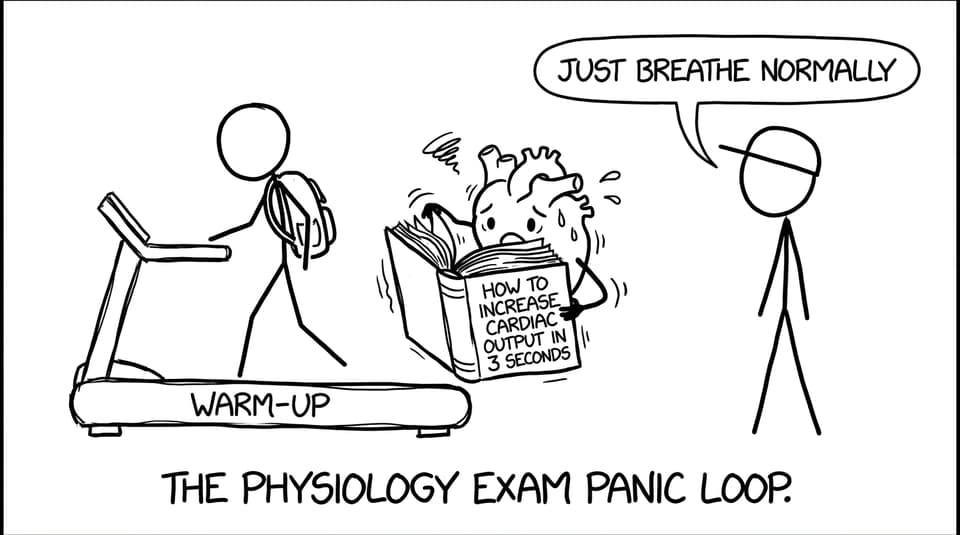
In exams, this topic is rarely about listing terms. It’s about explaining a fast chain reaction: what changes, why it changes, and how it protects performance. If you can tell that story clearly, IB SEHS response questions start to feel predictable.
Quick checklist: what to mention in IB SEHS answers
Use this as your mental framework for any IB SEHS acute response question:
-
Cardiovascular: heart rate, stroke volume, cardiac output
-
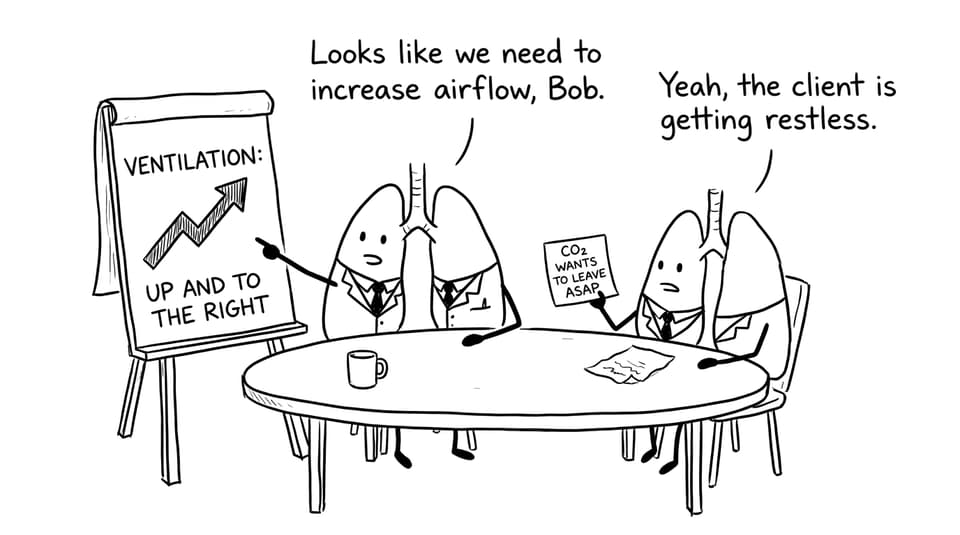
Respiratory: breathing rate, tidal volume, ventilation
-
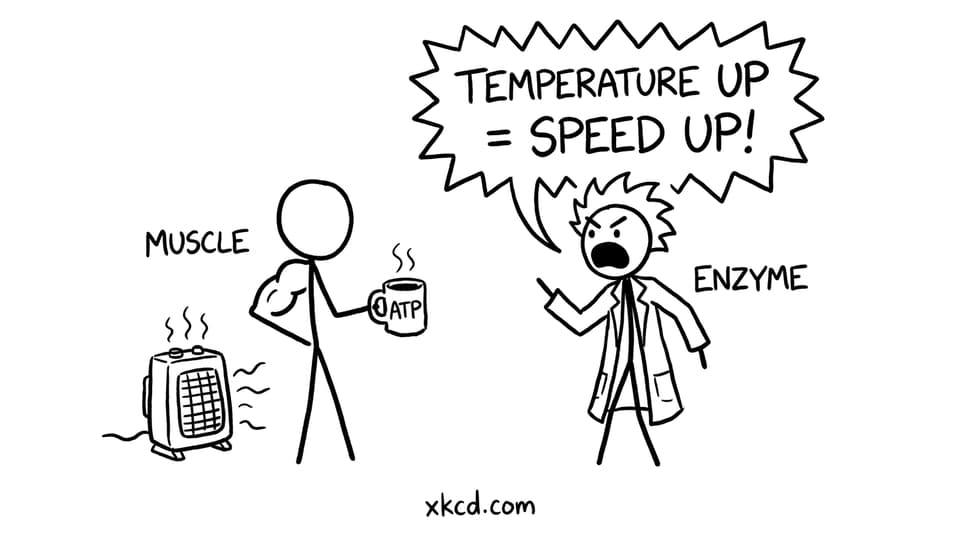
Muscular/metabolic: muscle temperature, enzyme activity, ATP production rate
-
Link to intensity: “as intensity increases…”
-
Link to purpose: oxygen delivery, CO2 removal, delaying fatigue
For extra exam structure help, keep this guide open: Exercise Responses Explained for IB Exams.
Cardiovascular acute responses (the fast delivery upgrade)
In IB SEHS, the cardiovascular system is your “rapid transport service.” As exercise starts, working muscles demand more oxygen and nutrients, and they produce more carbon dioxide and heat. So blood flow has to scale up quickly.