

Writing an Outstanding MYP Personal Project Report
The Personal Project report explains what you set out to learn, how you worked toward your goal, and what you learned from the process. A polished product helps tell the story, but the report needs evidence of the decisions and skills behind it.
The current assessment has three criteria: A: Planning, B: Applying skills, and C: Reflecting. Each criterion has a maximum achievement level of 8, for a total of 24. Use your school's current project guide for its submission format and deadlines. The IB Personal Project overview explains the process, product, and report; the IB subject brief sets out the three assessment criteria.
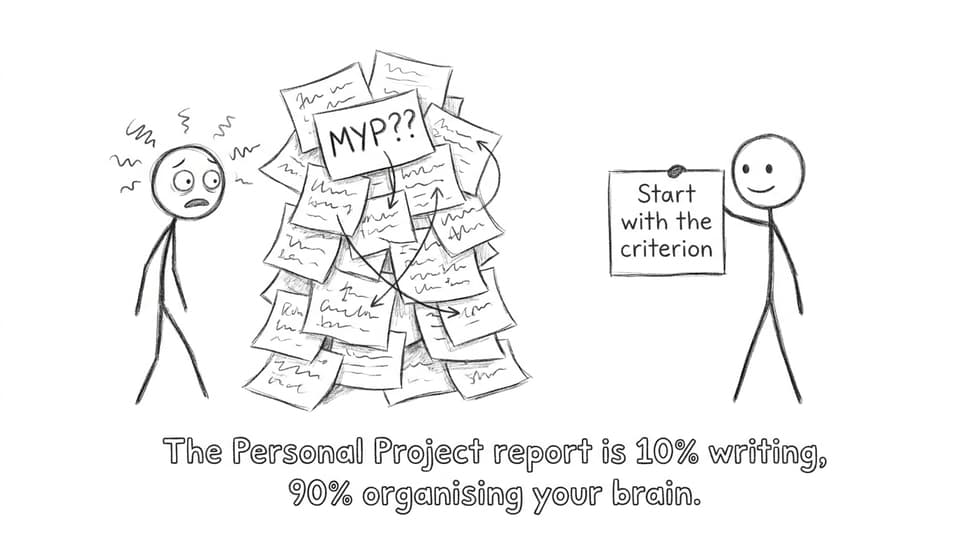
Before you draft
Gather your learning goal, intended product or outcome, success criteria, plan, research, drafts, feedback, and evidence of changes. Pick evidence that helps explain a decision or supports an evaluation. A folder of screenshots alone cannot show what you learned; add a short explanation of why each item matters.
Use these questions to check your outline:
- Can a reader see how your personal interest led to a clear learning goal and intended product?
- Are your success criteria specific enough to evaluate?
- Does your plan show the steps you intended to take and the changes you made?
- Can you explain how particular approaches to learning (ATL) skills helped you reach your learning goal and make your product?
- Do you evaluate the product against your own success criteria and explain the project's impact on your learning?
For examples of how students present evidence, browse the MYP Personal Project exemplars. Use them to study structure and explanation while keeping your own work original.
Criterion A: Planning
Start with a learning goal: what did you want to understand or learn to do? Explain the personal interest behind it. Then identify the product or outcome you intended to create and write success criteria that you can actually test.
For example, a student learning accessible web design might plan to build a school navigation site. Their success criteria could address whether new students can find key information, whether the site works with a keyboard, and what feedback from real users shows. The learning goal, product, and measures of success are related but distinct.
Show a clear plan for reaching the outcome. Include important milestones, resources, research, testing, and any constraints. If your plan changed, show the earlier choice and explain why you revised it. The point is to make your decisions understandable, not to pretend the first plan was perfect.
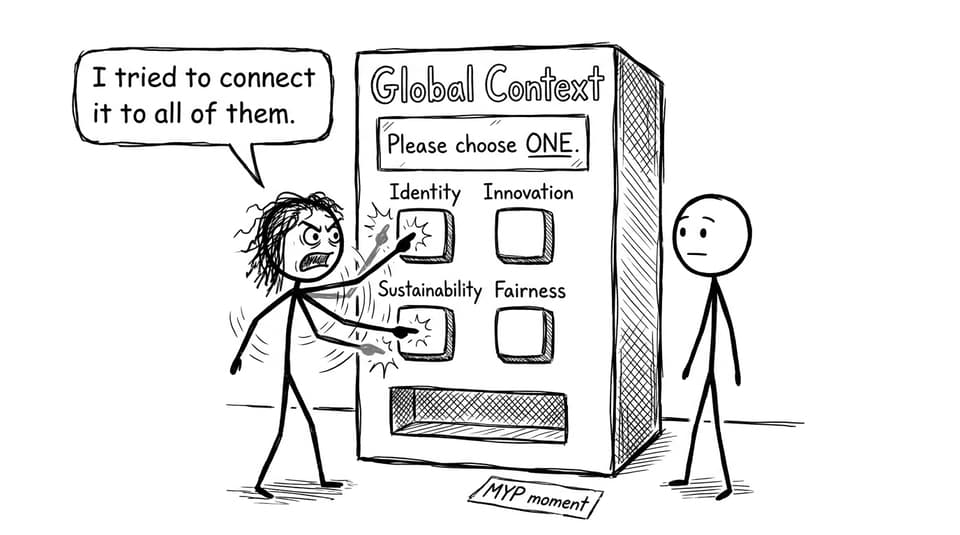
Criterion B: Applying skills
Describe how ATL skills helped you achieve your learning goal and product. Name a skill, give a specific example of using it, and explain the effect. Avoid a list that simply says you used research, thinking, communication, or self-management.
You might show how comparing sources changed your understanding, how testing a prototype led to a redesign, or how feedback changed the way you communicated with an audience. Link each example to a decision or result. A dated plan, draft, photo, test result, interview note, or feedback record can provide evidence, provided you explain the connection.
The report is not a diary of every task. Select the moments that best show the skill in action and what it contributed to your learning or product.
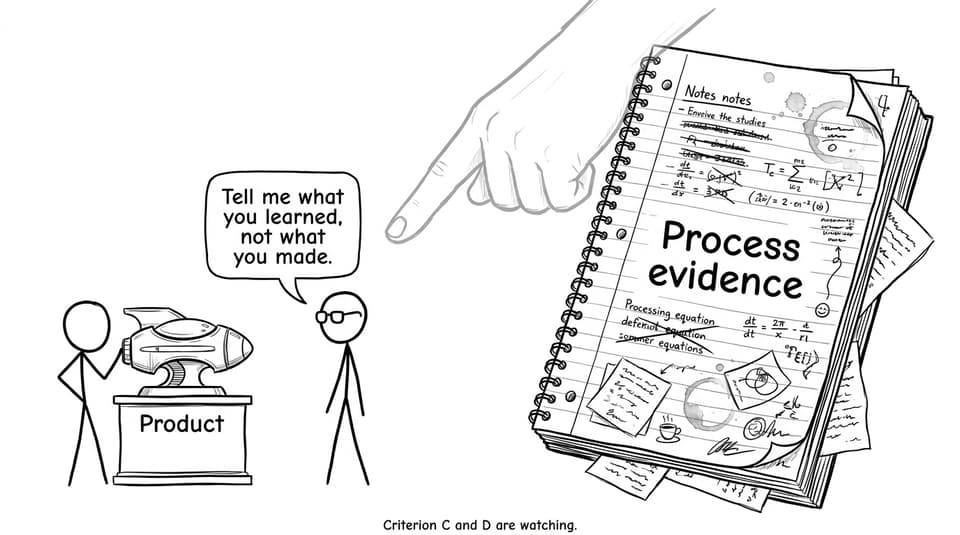
Criterion C: Reflecting
Explain the impact of the project on you or your learning. What do you understand or do differently now? Support that reflection with a concrete experience rather than a broad statement such as “I improved my time management.”
Then evaluate the product or outcome against the success criteria from Criterion A. Say which criteria were met, which were not, and what evidence led you to that judgment. A less successful product does not prevent a thoughtful evaluation. Show what testing or feedback revealed, how you responded, and what you would change if you continued the work.
Make the distinction between describing the product and evaluating it. “I created a website” describes an outcome. “Four of five new students found the timetable in under a minute, while one could not find the accessibility menu” gives evidence you can evaluate against a success criterion.
Make the report easy to follow
Headings for Planning, Applying skills, and Reflecting can help a reader find the evidence, but follow any format your school requires. Use a clear sequence within each section: claim, evidence, explanation. Refer to images or appendices where they support a point, and cite sources using your school's required style.
Before submitting, compare the report with the current rubric. Check that your learning goal and product are distinct, each success criterion can be evaluated, ATL examples explain their effect, and the reflection uses evidence. You can use the MYP Personal Project Grader for draft feedback, then confirm your final requirements with your supervisor. Its feedback is a study aid, not an official IB result.
Frequently asked questions
How long should my report be?
Follow your school's current instructions for format and length. Make every section earn its place by explaining a criterion-relevant choice, skill, or evaluation. Referenced evidence is more useful than extra pages of unexplained images.
How do I show ATL skills without just naming them?
Describe what you did, why you chose that approach, and what changed as a result. For example, explain how you evaluated sources before changing a design decision, or how you adjusted your schedule after a missed milestone.
What if my final product did not meet every success criterion?
Evaluate it honestly. Identify the criteria it met, the gaps, and the evidence behind your judgment. Explain what the project taught you and what you would change next time.