


The moment marketing becomes real
A customer walks into a shop, taps “add to cart,” or opens a live chat. In that instant, the business stops being a logo and starts being a person. Someone answers the question. Someone fixes the problem. Someone makes the customer feel confident (or foolish) for asking.
That’s why IB Business Management treats people as more than a soft factor. People are a core part of the marketing mix because they shape the customer experience in ways product features and promotions can’t. If you remember one exam-ready idea: customers don’t just buy outcomes, they buy feelings about risk, trust, and being understood.
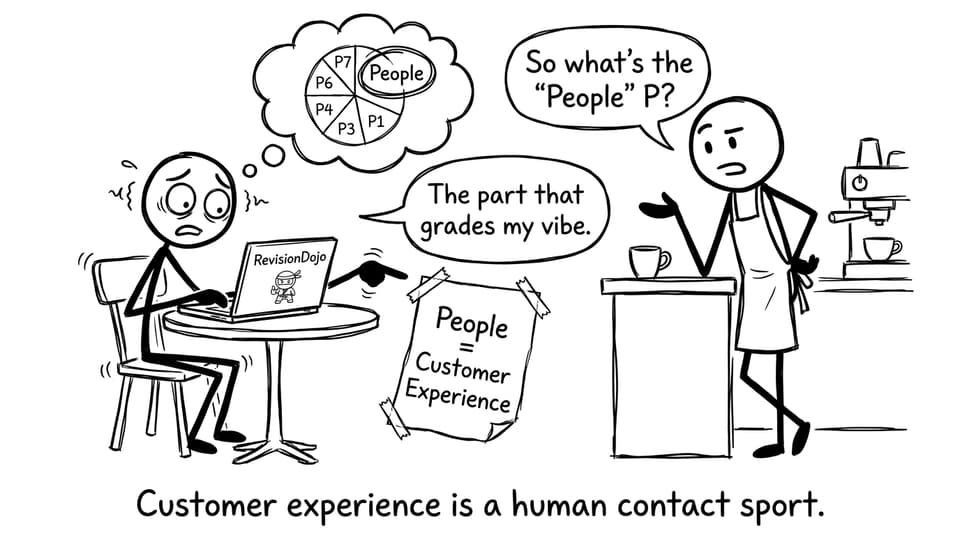
Quick exam checklist: “People” in marketing
Use this mini-structure in IB Business Management short answers and 10-markers:
-
People represent the brand through every interaction
-
People personalize the offer and reduce customer uncertainty
-
People deliver service quality (speed, tone, reliability)
-
People communicate value better than ads in high-involvement purchases
-
People capture feedback that improves the marketing plan
For the syllabus anchor, revise the People P inside the Seven Ps of the Marketing Mix and keep the big picture clear with 4.1 Introduction to Marketing.
People represent the brand (even when the business doesn’t try)
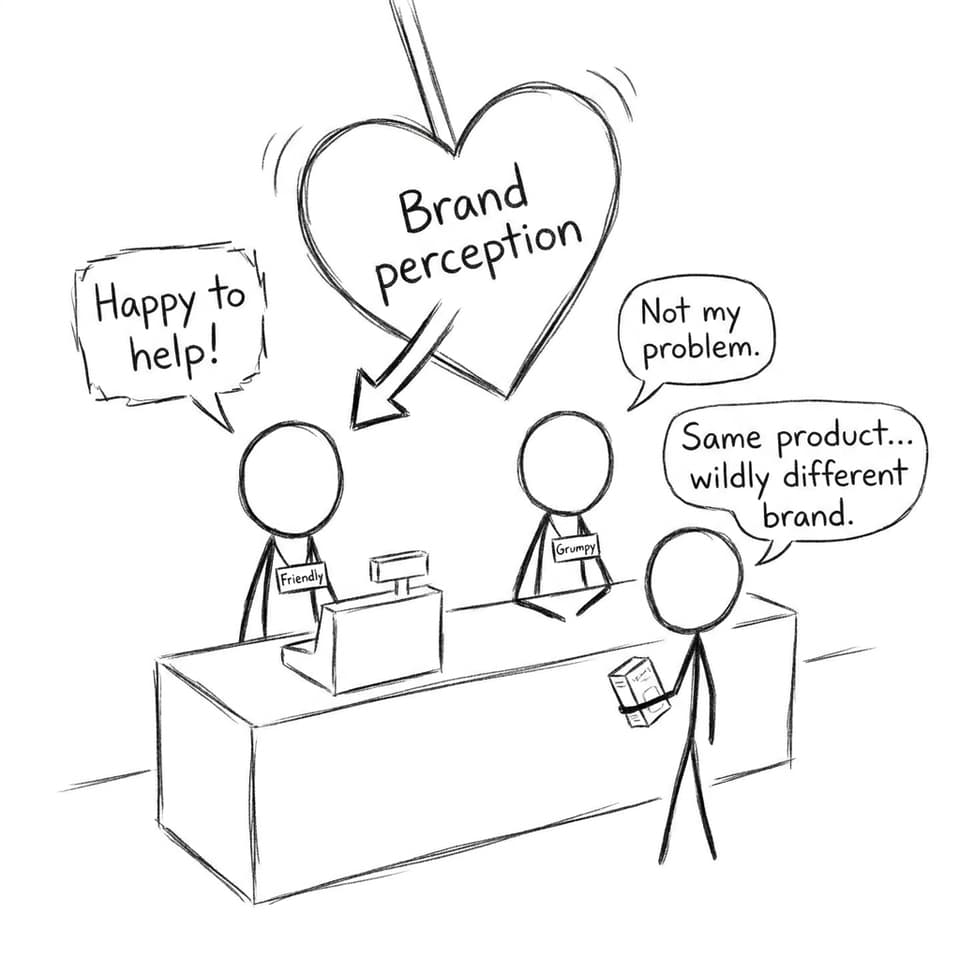
In IB Business Management, brand isn’t only what a business says. It’s what customers experience repeatedly. A calm, competent employee signals “this business is reliable.” A rushed, dismissive response signals “good luck if something goes wrong.”
This matters because marketing is partly the management of perceived risk. If customers feel safe, they buy faster and complain less. When you write evaluation, link people to long-term effects: reputation, repeat purchase, and word-of-mouth.
People create the customer experience through service and emotion
Customer experience is made of small moments: tone of voice, response time, empathy, and follow-through. Two businesses can sell identical products, but the one with better-trained staff wins loyalty because it removes friction.
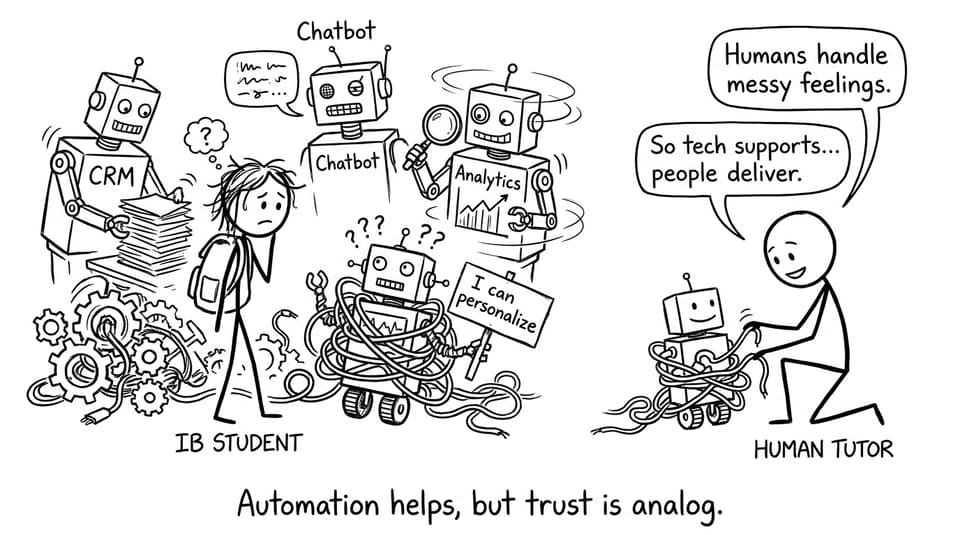
This is also where HR and marketing overlap. Staff training, internal communication, and motivation become marketing tools because they protect service standards. If you need sharp terminology, use RevisionDojo’s IB Business Management Key Definitions to tighten your language.
People turn feedback into better marketing decisions
Front-line employees hear the truth early: what customers love, what confuses them, what feels overpriced, and what competitors are doing better. In IB Business Management, that feedback is a practical input into marketing planning: adjusting the marketing mix, refining positioning, or improving processes.
To connect this to your syllabus revision, review 4.2 Marketing Planning and practise application-style questions using the Business Management resources hub.
How to write this in an exam (fast, but analytical)
A strong IB Business Management paragraph usually follows this flow:
-
Identify the role of people (e.g., service quality, personalization)
-
Apply to the case (staff training, staff shortages, premium positioning)
-
Explain impact on customer experience (trust, speed, satisfaction)
-
Evaluate (cost of training vs loyalty, consistency, scalability)
If you want to build that exam instinct, RevisionDojo helps you practise it with Questionbank prompts, Flashcards for the 7Ps, AI Chat for instant clarification, and Grading tools to check whether your explanation is actually analytical. When you’re close to exams, Predicted Papers and Mock Exams make “people” questions feel familiar rather than surprising.
A closing thought for your revision
Marketing isn’t just what the business offers. It’s what the customer remembers. And what customers remember most is usually a person.
If you’re revising IB Business Management, build your “People” answers with real exam practice: use RevisionDojo’s Study Notes to lock the concepts, the Questionbank to sharpen application, and the Tutors and AI Chat to turn vague ideas about customer experience into precise, high-scoring analysis. For more related topics, browse all IB Business Management posts.


