


A motivated workforce rarely comes from one big speech or one shiny perk. It comes from dozens of small signals, repeated daily, that tell people: you matter here. In IB Business Management, this is the difference between a workplace that runs on compliance and one that runs on commitment. And for your exam, it’s also the difference between vague answers (“give bonuses”) and analysis that links HR choices to productivity, retention, and performance.
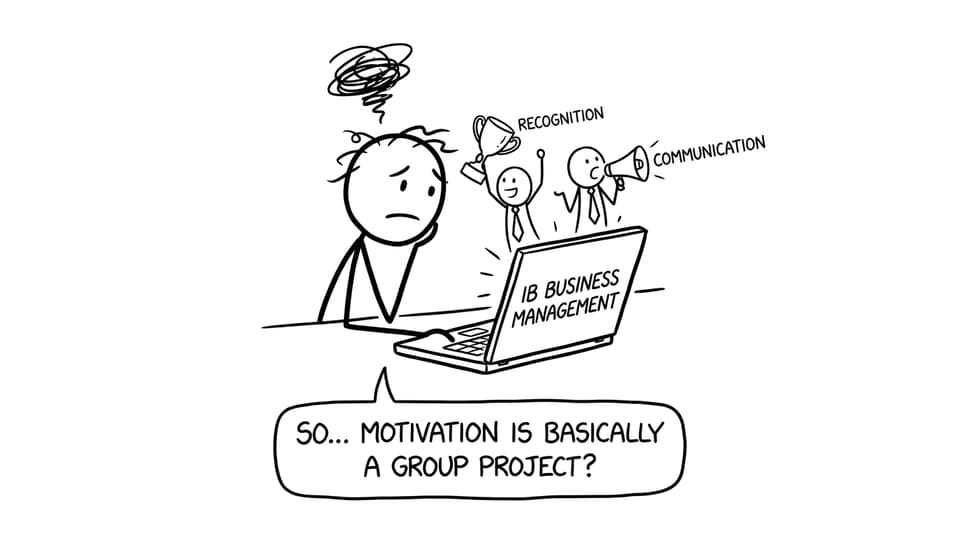
IB Business Management quick checklist: what motivates employees?
Use this as a fast planning tool for data response questions in IB Business Management:
-
Recognition people can feel (not just policies on paper)
-
Clear communication that reduces uncertainty
-
Growth opportunities (training, responsibility, progression)
-
Leadership style that builds trust, not fear
-
Well-being and work-life balance that prevents burnout
-
Team relationships that create belonging
For syllabus-focused support, start with Unit 2 HR Management: Motivation, Structure, Hierarchy.
Recognition: the cheapest strategy that often works best
Recognition is powerful because it speaks to esteem needs (think Maslow) and to motivators (think Herzberg). In IB Business Management, you can frame recognition as a non-financial reward that increases job satisfaction and discretionary effort.
Recognition works best when it’s specific and timely: praising the outcome and the behaviour (“You handled that customer complaint calmly and protected the brand”). It also reinforces culture, because it quietly tells everyone what “good” looks like.
If you want theory-ready language, revise Motivation Theories notes (2.4.1) and then practice application using the 2.4 Motivation and demotivation Questionbank.
Clear communication: motivation’s quiet multiplier
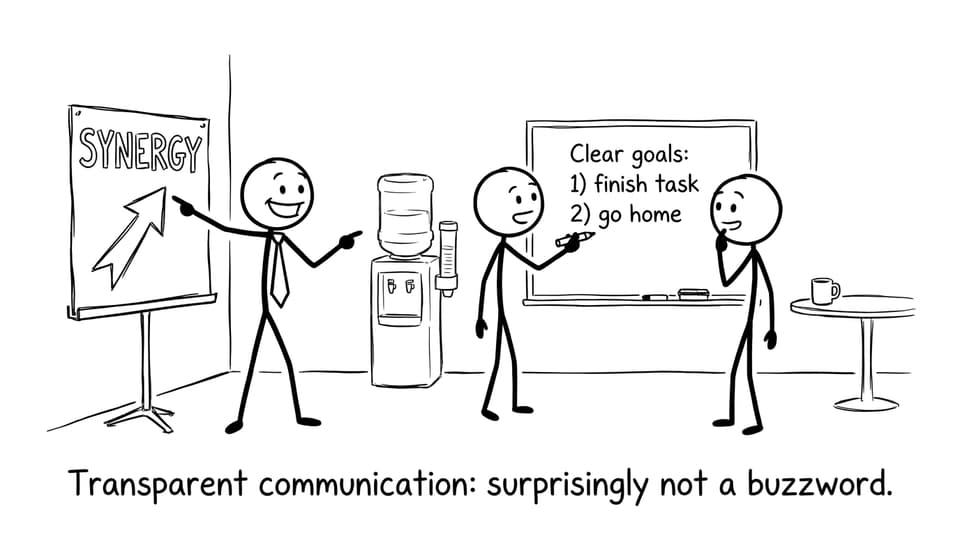
Many employees don’t disengage because they are lazy. They disengage because they are confused. Clear communication lowers role ambiguity, reduces conflict, and makes targets feel achievable.
In IB Business Management terms, effective communication improves coordination and efficiency, which can raise productivity and reduce labour turnover. It also makes appraisal systems feel fairer, because expectations were clear from the start.
To broaden your examples (especially for HL), explore Motivation Theories HL notes (2.4.2).
Growth opportunities: people stay where they can see a future
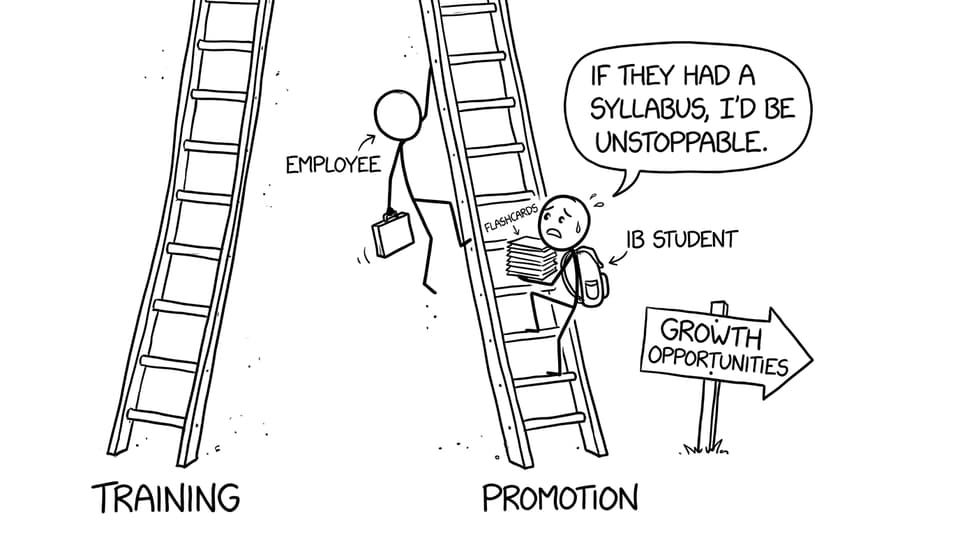
Training and development signal investment. Even when pay is competitive, employees often leave when they feel “stuck.” Growth can mean formal training, mentoring, job enrichment, or internal promotion pathways.
This connects beautifully to IB Business Management theory: self-determination (competence), Maslow (self-actualization), and Herzberg (achievement and advancement). In exam answers, explain why growth works: it increases capability, confidence, and loyalty, reducing recruitment and induction costs over time.
A good place to consolidate Unit 2 content is Unit 2 HR Management Flashcards.
Leadership style and culture: the environment people can “feel”
Leadership sets the emotional temperature. Democratic leadership can raise engagement through participation, while an overly authoritarian approach can raise output short-term but harm morale long-term.
Culture is the system underneath it all: shared values, rituals, and norms. In IB Business Management, you can argue that a strong, person-oriented or task culture (depending on context) supports motivation by shaping behaviour and expectations.
For culture-based evaluation, use Organizational Culture notes (2.5.1) and connect it to real exam-style scenarios via 2.5 Organizational culture Questionbank. You can also read Why organizational culture matters for stronger explanation chains.
Conclusion: turn workplace motivation into exam marks
A motivating workplace is built on repeatable choices: recognition, communication, growth, leadership, well-being, and relationships. In IB Business Management, your job is to link those choices to business outcomes like productivity, quality, labour turnover, and profitability.
To revise this topic efficiently, use RevisionDojo as your loop: Study Notes for clarity, Flashcards for recall, the Questionbank for exam-style practice, AI Chat when you get stuck, and Mock Exams plus Predicted Papers when you need realism. Start with IB Business Management resources and build answers that feel as intentional as the workplaces you’re analysing.


