


Introduction: the moment it starts to feel like too much
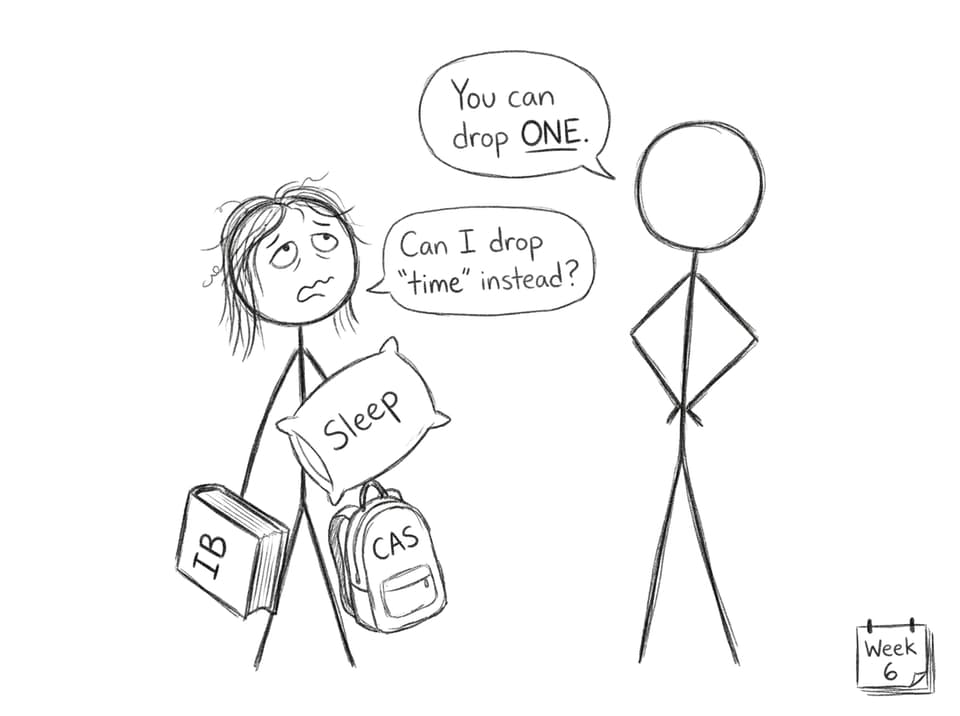
There’s a particular kind of IB tired that doesn’t come from one late night. It comes from stacking commitments until your week turns into a fragile tower: classes, deadlines, revision, CAS reflections, and an extracurricular that used to feel like freedom but now feels like another clock you’re racing.
If you’re an IB student preparing for exams, the thought “I want to quit” can hit like relief and guilt at the same time. Relief because you can finally breathe. Guilt because you promised people, you built a routine, and you’re not sure what quitting “means” about you.
This guide helps you make that call thoughtfully: quit, pause, or scale back, without sabotaging your IB balance, your CAS requirements, or your exam prep.
Quick checklist: decide in 10 minutes (not 10 days)
Before you quit anything during IB, run this short filter:
-
Name the real reason: burnout, time pressure, boredom, conflict, or fear of not being “good enough.”
-
Check the cost: sleep, grades, mood, friendships, and how often you dread showing up.
-
Check the benefit: does it still give energy, identity, or a healthy break?
-
Ask whether it’s a “quit” problem or a “schedule” problem.
-
Pick one option: quit, scale back, or pause for a defined window.
-
Protect your exam plan: if you free time, you need a plan for using it.
If you want a broader view of how CAS fits into the Diploma (without letting it swallow exam season), keep this guide open: How to Excel in the IBDP CAS Program.
Why IB students want to quit extracurriculars (and why it’s usually rational)
Most IB students don’t want to quit because they’re lazy. They want to quit because the maths of time becomes brutal.
The workload doesn’t arrive all at once
In IB, pressure often arrives in waves: IAs cluster, teachers speed up, revision becomes more urgent, and suddenly the “one more practice set” you promised yourself never happens. When an extracurricular sits on the calendar like a non-negotiable block, it becomes the obvious thing to cut.
If your exam prep feels vague, that makes the pressure worse. A good IB plan is specific: topic, question type, timing, review. RevisionDojo builds that structure into one workflow: Study Notes, Flashcards, Questionbank practice, then Mock Exams and Predicted Papers. Start here if you need a steady process: How to Study for IB Exams: Step-by-Step Guide.
Sometimes it’s not the activity; it’s the role
A student can love the sport but hate being captain. Love volunteering but dread being the organiser. In IB, leadership can quietly double the mental load: messages, planning, responsibility, and emotional labour.
Scaling back a role is not “quitting.” It’s editing.
When quitting is the right decision during IB
Quitting can be mature. The key is whether you’re quitting to escape growth, or quitting to protect health.
Consider quitting during IB if:
-
Your sleep is consistently collapsing and you’re relying on adrenaline to function.
-
The activity is creating dread, not challenge.
-
It’s colliding with your highest-leverage exam season work (timed practice, review, feedback).
-
Your CAS portfolio would still be meaningful without it because you have other sustainable experiences.
CAS is about quality and reflection, not collecting hours like tokens. If you want help keeping CAS organised and calm, these are useful references: How to Balance CAS with Academics and Social Life and 10 Tips to Write a CAS Reflection That Stands Out.
When perseverance is worth it (even in IB)
There are moments where staying teaches you something that the IB itself rewards: resilience, consistency, and finishing what you start.
Encourage yourself to persevere if:
-
The hard part is temporary (a bad week, a tough coach, a single performance).
-
You’re near a natural endpoint (season ends soon, project is about to conclude).
-
The activity still gives you something rare in IB: a place where you feel competent, grounded, or socially connected.
The trick is to separate “this is hard” from “this is harmful.” IB will always be hard. Not everything should be harmful.
A smarter middle path: scale back or pause with a time-box
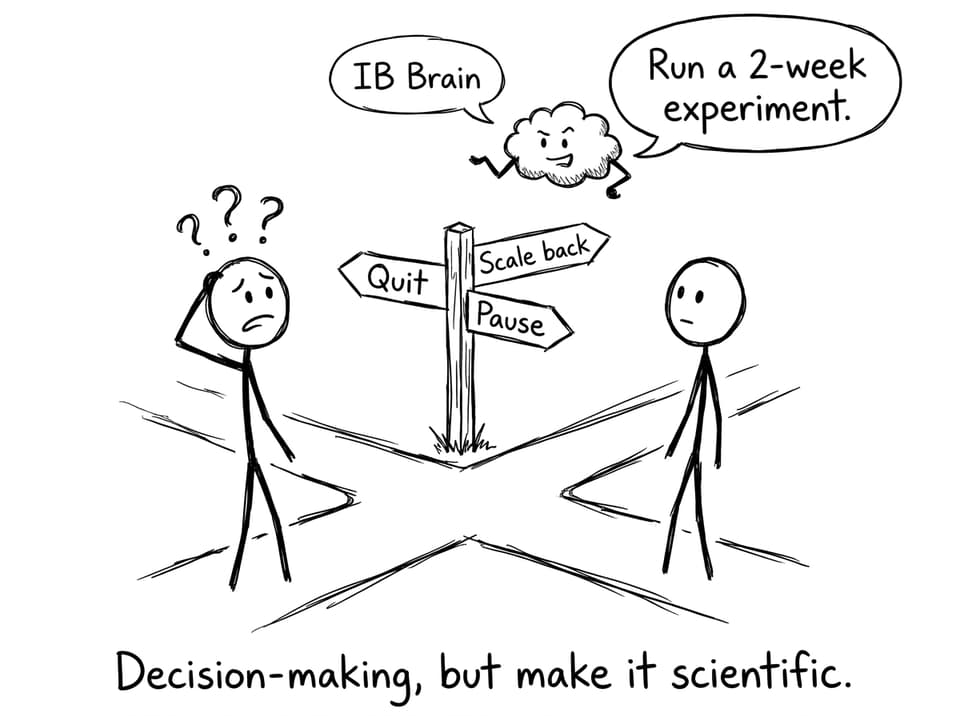
Quitting is permanent. A pause is an experiment.
Here’s a clean compromise for IB students:
Run a two-week test
-
For two weeks, reduce the extracurricular commitment by 30-50% (or pause completely).
-
Use the reclaimed time for specific exam prep: one timed section, one review session, one Flashcards streak.
-
At the end, evaluate: are you healthier? Are your grades moving? Do you miss the activity?
This “experiment” approach prevents emotional decisions and helps parents and students talk in facts, not fear.
If you quit, don’t waste the time you just rescued
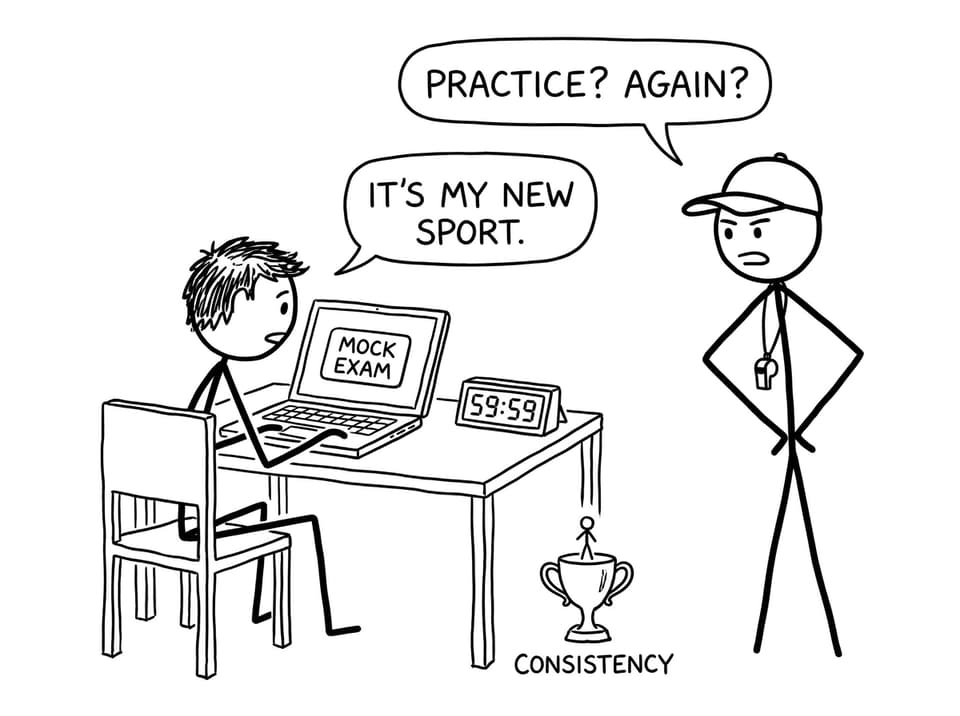
The quiet danger in IB is quitting something, then letting the freed hours dissolve into scrolling and guilt. If you quit, replace the block with a simple, repeatable exam routine.
A reliable structure looks like this:
-
Study Notes (20 min): learn one subtopic properly.
-
Questionbank (30-40 min): practice questions only on that subtopic.
-
Review (10 min): write the “rule” you missed.
-
Flashcards (10 min daily): keep memory warm even on tired days.
RevisionDojo is designed to make that loop frictionless: Study Notes connect to Flashcards, the Questionbank tracks weak areas, Jojo AI Chat clears confusion quickly, Grading tools help you understand markbands, and Mock Exams plus Predicted Papers build timing and stamina.
If you want targeted practice that feels like exam conditions, these are helpful: Custom IB Mock Exams: Build Practice Tests by Topic and Online IB Mock Exams: Practice Anywhere, Anytime.
Conclusion: the IB skill you’re really practicing
Choosing whether to quit an extracurricular during IB isn’t just about time. It’s about judgment: knowing what matters this month, what can wait, and what keeps you healthy enough to perform.
If you decide to quit, quit cleanly and use the regained hours to build exam confidence through targeted practice. If you decide to stay, stay intentionally and scale the commitment to something sustainable. And if you’re unsure, run the two-week experiment and let results guide you.
When you’re ready to turn extra time into real IB progress, make RevisionDojo your study home: Study Notes for clarity, Flashcards for daily recall, the Questionbank for exam-style repetition, Jojo AI Chat when you’re stuck, Grading tools for feedback, and Mock Exams plus Predicted Papers for stamina. Start exploring here: RevisionDojo for IB.