
Starting IB CAS can feel strangely uncertain. You know the three strands: creativity, activity and service. But nobody hands you a perfect list of approved activities, because CAS is judged by purpose, participation and learning, not simply by what an activity is called.
So, what counts as CAS? A legitimate experience generally fits at least one CAS strand, is separate from your assessed Diploma Programme coursework, involves active personal engagement and gives you a credible opportunity to develop or demonstrate a CAS learning outcome. Your reflections and evidence then show what you actually did and learned.
The quick CAS eligibility checklist
Before adding an idea to your portfolio, ask:
- Does it clearly fit creativity, activity or service?
- Is it separate from work being submitted for a DP subject?
- Will I actively participate rather than merely observe?
- Is there a meaningful challenge, purpose or opportunity for growth?
- Can I connect it honestly to at least one CAS learning outcome?
- Can I provide reasonable evidence and reflection?
- Does it avoid payment, harm, tokenism and obvious ethical concerns?
- Has my CAS coordinator approved it where necessary?
RevisionDojo’s guide to legitimate CAS experiences can help you test the details.
What the three IB CAS strands include
The official IB framework describes three broad areas. An experience may sit within one strand or combine several.
Creativity involves exploring and extending ideas in ways that lead to an original or interpretive product or performance. Composing music, directing a student production or learning digital illustration could qualify. Simply completing assigned artwork for a graded class would not be separate enough from your academic requirements.
Activity involves physical exertion that contributes to a healthy lifestyle. Training for a run, joining a dance group or learning to kayak could count. Ordinary movement, such as walking between lessons, usually lacks sufficient intention and challenge.
Service is a collaborative and reciprocal engagement with a community in response to an authentic need. Examples include tutoring younger students without payment, supporting conservation work or developing technology workshops for older residents. Strong service begins with listening. It is not about assuming that a community needs whatever you already wanted to provide.
You do not need to force every experience into all three strands. Aim instead for a reasonable balance across your CAS programme. The guide to balancing creativity, activity and service explains how to spot genuine gaps without turning CAS into a counting exercise.
How the seven learning outcomes shape CAS
The official CAS subject brief requires students to provide evidence that they have achieved seven learning outcomes across the programme. An individual experience does not need to cover all seven.
The outcomes ask you to demonstrate that you can:
- identify your strengths and develop areas for growth;
- undertake challenges through which you develop new skills;
- initiate and plan a CAS experience;
- show commitment and perseverance;
- demonstrate and recognize the benefits of collaboration;
- engage with issues of global significance;
- recognize and consider the ethics of choices and actions.
Suppose you begin cooking weekly meals for a community organization. Planning recipes around dietary needs could demonstrate initiative. Coordinating with volunteers could show collaboration. Continuing after an unsuccessful first session might demonstrate perseverance. Considering food waste, dignity and cultural preferences could create authentic ethical reflection.
Claim only the outcomes your evidence supports. See RevisionDojo’s guide to setting CAS learning outcomes authentically for practical examples.
Realistic CAS experiences that can qualify
The same broad activity can succeed or fail depending on how you approach it. These examples show the distinction.
Running can count as activity when you establish a starting point, set a safe goal, follow a structured training plan and reflect on progress.
A student podcast can count as creativity if you research an audience, learn recording or editing skills and produce original episodes. Recording an assessed oral for a language course cannot be reused as CAS.
Unpaid tutoring can count as service when it responds to a real need and involves preparation, communication and adjustment. Helping a friend with one homework question is ordinary kindness, but it is unlikely to constitute a substantial CAS experience.
Model United Nations may count as creativity if it is extracurricular and develops research, speaking and strategic thinking beyond course requirements. Attendance alone is not enough; your role and learning must be visible.
Organizing a clothing collection may count as service, but only if the collection addresses a confirmed need. Contact the receiving organization first, ask what items are useful and consider the environmental and logistical consequences.
Learning photography can count as creativity when you practise intentionally, seek feedback and build a body of work.
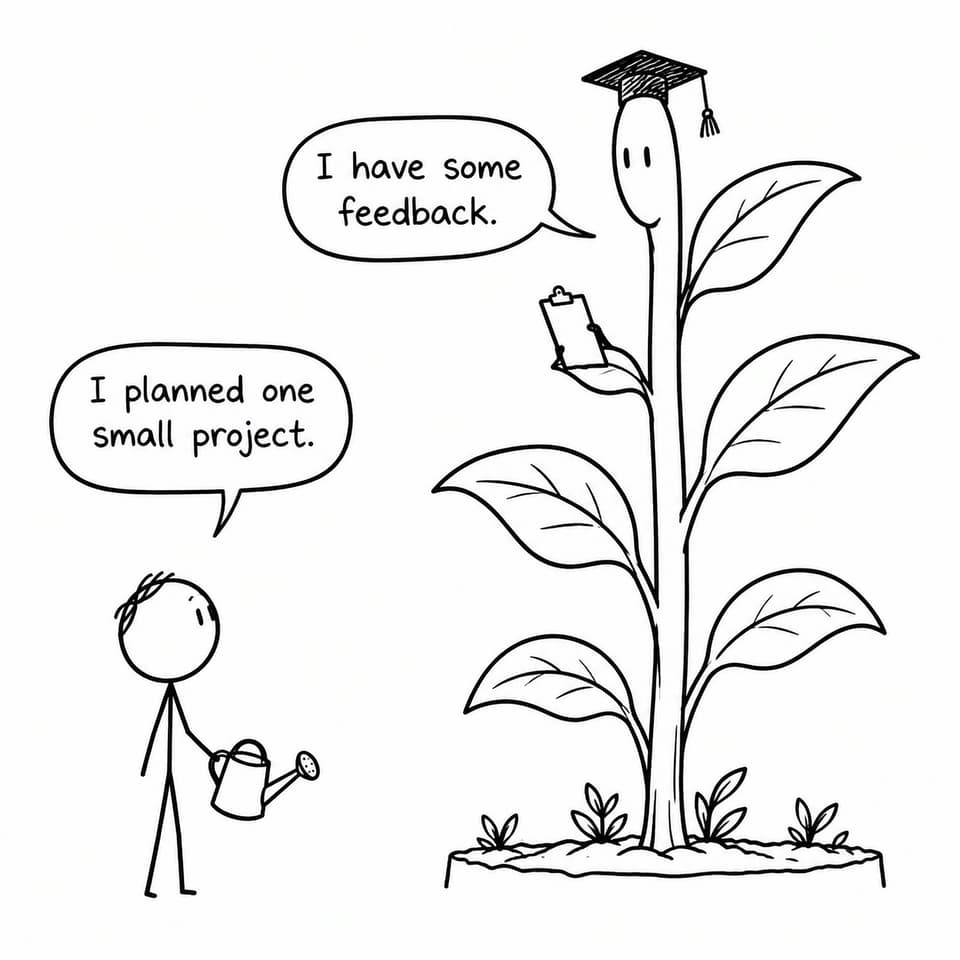
The important question is not, “Does gardening count?” It is, “What did I plan, do, learn and reconsider through gardening?”
What usually does not count
Some activities are commonly rejected because they conflict with the purpose of IB CAS or cannot demonstrate meaningful engagement.
Assessed coursework does not count. You cannot use an internal assessment, Extended Essay task or required class performance as CAS. A related extracurricular extension may qualify if it is genuinely distinct, but confirm that separation with your coordinator.
Paid employment normally does not count as service. Service is framed as unpaid and voluntary engagement. Unusual circumstances should be discussed with your school.
Passive attendance is rarely sufficient. Watching a film, attending a lecture or visiting a museum does not by itself show creative participation, physical exertion or reciprocal service. Creating and leading a related workshop could change the answer.
Routine responsibilities usually do not qualify. Cleaning your room, walking to school or occasionally helping at home are valuable, but they are generally ordinary expectations rather than planned CAS experiences.
Activities causing harm or ethical concern should not be approved. Service should respect the rights, dignity and agency of the people involved. Political or faith-connected work requires particular care: community support may be appropriate, while coercion, proselytizing or efforts to manipulate affiliation are not suitable.
An invented or exaggerated entry never counts. Evidence does not need to be elaborate, but it must be honest. A useful overview of avoidable problems appears in common first-term CAS mistakes.
CAS experiences versus the CAS project
Regular CAS experiences can be brief or sustained. The required CAS project is more specific: the IB describes it as a collaborative series of sequential experiences lasting at least one month.
A one-day beach cleanup could be a service experience. A project might involve consulting a conservation group, recruiting a team, organizing several cleanups, collecting appropriate data and sharing recommendations over a month or longer.
The project must involve collaboration, planning and sustained involvement. It can focus on one strand or combine strands. For a detailed comparison, read CAS projects versus CAS experiences.
How to record CAS without making it a second diary
CAS is not formally graded, but completing it is a requirement for the IB Diploma. The programme formally begins at the start of the DP and continues regularly for at least 18 months. The IB does not prescribe a universal hourly total, so be cautious when students repeat unofficial rules such as needing a fixed number of hours in every strand. Schools may set local checkpoints and portfolio expectations.
For each experience, record enough to establish:
- what you intended to do;
- what actions you took;
- which outcome the experience genuinely demonstrates;
- what evidence supports your account;
- what changed, failed or surprised you;
- what you would do differently next time.
Evidence might include planning notes, photographs, drafts, messages, attendance records or feedback from a supervisor. Avoid uploading material that exposes another person’s private information.
Reflection should explain learning rather than narrate every minute. “We met on Tuesday and made posters” proves attendance. “Our first poster assumed the audience already understood the issue, so we simplified the language after testing it with younger students” shows judgment and adaptation. RevisionDojo’s CAS reflection guide offers a practical structure.
A sensible DP1 starting plan
Choose two or three sustainable anchor experiences rather than collecting disconnected activities. One might be a weekly physical activity, another a creative practice and another a service commitment. Then watch for learning outcomes that emerge naturally.
Speak to your coordinator before beginning anything expensive, sensitive or difficult to classify. Add evidence as you go, because reconstructing six months from memory usually produces vague reflection. Review your portfolio every few weeks and ask whether your participation is regular, balanced and honest.
RevisionDojo is built to make the wider IB workload easier to organize. Its Questionbank, Study Notes, Flashcards, AI Chat and Grading tools support day-to-day learning, while Predicted Papers and Mock Exams help structure exam preparation. The Coursework Library and Tutors can provide guidance when academic deadlines intensify, leaving you more space to sustain thoughtful CAS experiences.
Most importantly, do not wait for the perfect idea. Start with a credible need, interest or challenge, then shape it around the strands and outcomes. Keep a shortlist of possibilities and discuss them with your coordinator before committing.