


A stopwatch can feel like love.
In the middle of IB season, it’s easy to confuse care with control. A parent sees a tired teen, a calendar full of deadlines, and a brain that can procrastinate with Olympic-level skill. So they start counting minutes. The teen starts counting sighs.
Here’s the twist: in IB, the real goal isn’t “more time.” It’s better ownership. The question isn’t whether tracking study time is good or bad. It’s whether tracking creates clarity, calm, and progress, or turns studying into a surveillance thriller.
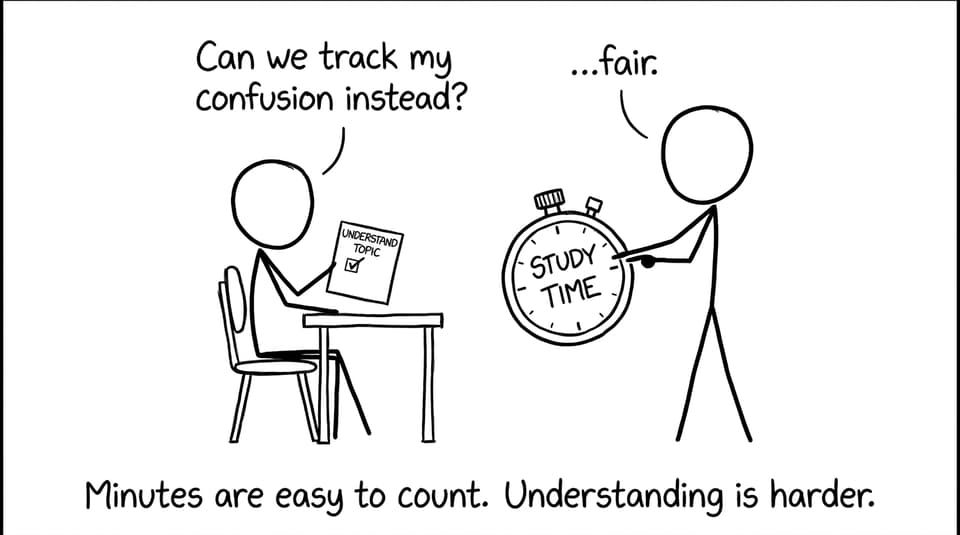
A quick decision checklist (use this tonight)
If you’re an IB student trying to prepare for exams (or you’re the teen reading this and sending it to your parents), run these questions:
-
Are your grades stable? If outcomes are improving, strict tracking probably isn’t the lever.
-
Are tasks finishing on time? Missed deadlines matter more than “hours studied.”
-
Do you have a plan you can explain? A simple weekly loop beats heroic last-minute marathons.
-
Is tracking reducing stress or increasing it? Stress is data, not weakness.
-
Are you early IB1 or deep into IB2? New routines need scaffolding; mature routines need trust.
If you want a clean structure for your week, borrow ideas from Best Time Management Techniques for IB Students in 2025 and adapt them to your reality.
Why independence is part of the IB curriculum (even if nobody says it)
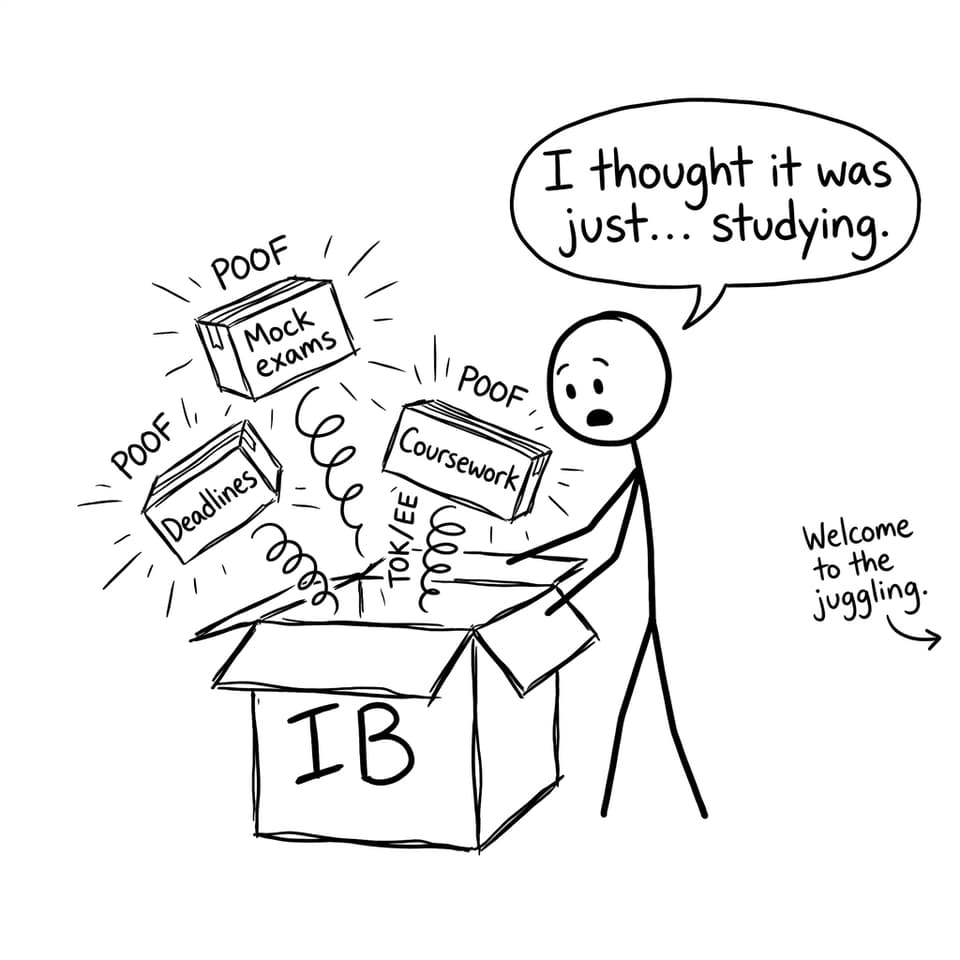
The IB isn’t only content-heavy. It’s decision-heavy.
Every week you’re choosing between competing “important” things: coursework drafts, reading, problem sets, feedback, mock exams, and the quiet panic that whispers, “Maybe I should reorganize my notes again.” Independence is the skill that turns that noise into action.
If someone else tracks your study time for you, you might still perform. But you risk learning the wrong lesson: that progress arrives when external pressure appears. And that’s fragile. University doesn’t come with a parent stopwatch.
A better IB lesson is internal: you learn how to notice avoidance, choose the next small task, and build momentum. If you need a practical exam-focused system, How to Study for IB Exams: Step-by-Step Guide lays out a loop that favors ownership over anxiety.
When tracking study time actually helps (and doesn’t feel creepy)
Tracking can be useful in IB when it behaves like training wheels, not handcuffs.
It helps most when:
You’re early in IB and everything feels bigger than expected
In the first months, students often underestimate how many small tasks exist. Tracking can reveal reality: “Oh, that lab write-up took two hours, not thirty minutes.” That insight can prevent future pile-ups.
You’re stuck in procrastination loops
If you keep “starting tomorrow,” gentle tracking can create an external starting gun. But it should track starting, not just sitting.
You’re overwhelmed and need structure
In overload, the brain defaults to avoidance. A short daily check-in (15 seconds) can help you pick one next step. For realistic schedules, see The Ultimate Daily IB Study Schedule.
Your plan is vague, so time becomes a substitute for direction
“Study for 3 hours” is fog. “Do 20 Questionbank questions on kinetics and review mistakes” is a map.
RevisionDojo is built around that map: Study Notes for understanding, Flashcards for recall, a Questionbank for exam-style practice, AI Chat when you’re stuck, and feedback loops through Grading tools. Time becomes a container for clear actions, not a moral score.
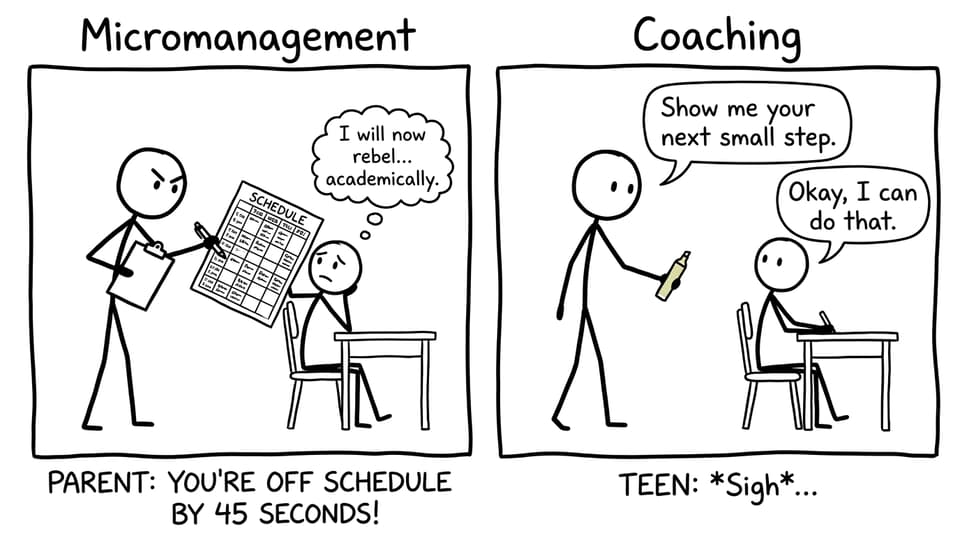
The hidden risks of over-monitoring in IB (even with good intentions)
Over-tracking often fails for a quiet reason: it shifts the student’s attention from learning to performing diligence.
Common side effects in IB include:
-
Anxiety spikes: “If I don’t log enough minutes, I’m failing as a person.”
-
Shallower study: Students choose easy tasks to look productive, not hard tasks that build marks.
-
Dependence: When parents stop tracking, the system collapses.
-
Relationship strain: Conversations become audits, not support.
The IB workload already pressures identity. A teen who feels constantly measured may start protecting their pride by hiding, rebelling, or going numb.
If exam season is close and pressure is high, it’s more useful to focus on the next two weeks than the next two months. IB: The Last 2 Weeks Before Exams (What Matters) is a good reality check.
A balanced approach that works for IB exam prep
The healthiest compromise is simple: track outcomes and habits, not every minute.
Use “check-ins,” not surveillance
Try a weekly 10-minute meeting:
-
What did you finish?
-
What’s due next?
-
What’s the one scary topic?
-
What support would actually help?
Replace time goals with proof goals
In IB, “proof” looks like:
-
a timed section completed
-
a set of exam-style questions marked and reviewed
-
flashcards reviewed (spaced repetition)
-
one coursework paragraph improved using feedback
This is where RevisionDojo becomes a neutral third party. Your parent doesn’t need to guess if you studied. Your work leaves evidence: Questionbank sets attempted, Mock Exams completed, Flashcards reviewed, and mistakes logged. If you want one overview of the full workflow, see RevisionDojo App: The Smarter Way to Prep for IB Exams.
Let the teen do the tracking (parents can support the system)
A great line is: “You track it. I’ll help you protect it.”
That might mean:
-
guarding a quiet hour at home
-
helping reduce chores during exam weeks
-
encouraging sleep (seriously, this is an IB advantage)
For students balancing life and studying, IB Exams Without Pausing Your Life is a calmer alternative to panic scheduling.
Conclusion: in IB, trust is built with evidence
Tracking study time can help in IB when it creates structure, reduces overwhelm, and teaches planning. It hurts when it replaces ownership, inflames stress, or turns learning into a performance.
A good rule is this: track progress, not pressure. Aim for clear outcomes (questions, feedback, timed practice), and let time become the quiet container that holds them.
If you want a system that makes independence easier, RevisionDojo gives IB students one home base: Study Notes, Flashcards, Questionbank, AI Chat, Grading tools, Predicted Papers, Mock Exams, a Coursework Library, and Tutors when you want a human guide. Build your routine around evidence, and the trust conversation gets simpler, because the work speaks for itself.