
Is the IB Diploma Worth It? Key Pros, Cons & Real Insights
You can usually tell who’s doing the IB by how they talk about time.
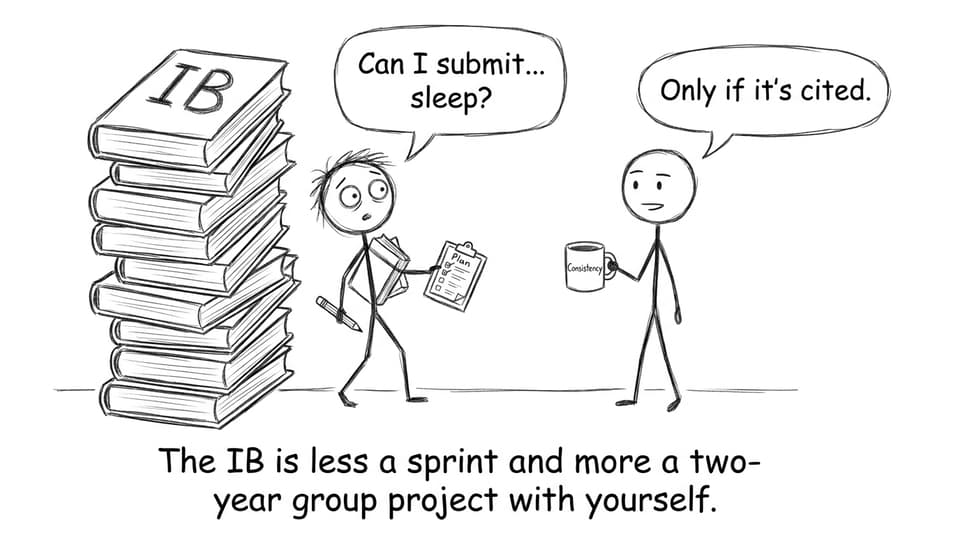
Not in the dramatic way people expect. More in the quiet way. They don’t say “I’m busy.” They say, “I have a TOK draft due, my IA feedback is waiting, and I’m behind on Topic 4.” It’s not chaos. It’s coordination.
That’s why the question Is the IB Diploma Worth It? Key Pros, Cons & Real Insights doesn’t have a motivational answer. It has a practical one. The IB is worth it when the skills it forces you to build match the life you want after exams. And it’s not worth it when the structure drains you more than it develops you.
Before we break it down, keep one important frame in mind: you’re not choosing “hard” or “easy.” You’re choosing which kind of hard you can sustain.
A quick checklist: when the IB is likely worth it
Use this as a fast self-test. The IB tends to be worth it if you:
-
Want a qualification universities recognize broadly across countries
-
Can handle long deadlines without needing constant panic to start
-
Prefer learning that connects across subjects, not just memorizing
-
Don’t mind keeping six subjects alive at the same time
-
Like having a clear system (rubrics, criteria, mark schemes, schedules)
If that list already sounds like your personality, the primary question, Is the IB Diploma Worth It? Key Pros, Cons & Real Insights, usually tilts toward yes.
The “worth it” case: the real pros students feel later
Global recognition and university readiness
A big reason students ask Is the IB Diploma Worth It? Key Pros, Cons & Real Insights is that they’re thinking beyond the next test. The IB has a strong reputation with universities because it signals stamina: sustained deadlines, multiple assessment types, and a lot of writing.
Even if you don’t love every component, universities understand what it means to complete it. The program communicates, “I can manage complexity without collapsing.” That matters in first-year coursework when everything is new and fast.
If you’re applying internationally, start by browsing RevisionDojo’s broader IB hub: International Baccalaureate (IB). It helps you see the ecosystem of subjects and expectations, not just the myths.
You learn how marks actually work
Here’s an uncomfortable truth: many students “study a lot” but don’t improve much because they’re studying in a way that feels responsible, not in a way that earns marks.
The IB pushes you toward mark-awareness through rubrics, command terms, and structured tasks. Over time, you stop asking “Do I understand this?” and start asking “Can I perform this under time, in the format they reward?”
This is where tools matter. If you want practice that looks and behaves like assessment, RevisionDojo’s Questionbank is designed for repetition with feedback, the part many students skip because it’s uncomfortable.
Critical thinking becomes a habit (not a slogan)
TOK, the Extended Essay, and IAs can feel like interruptions when you’re tired. But they do something subtle: they train you to build arguments, defend choices, and explain reasoning.
That’s not just academic. It changes how you revise. Students who do well eventually build a loop:
-
Learn concept
-
Test with exam-style questions
-
Notice a pattern of mistakes
-
Fix the pattern
-
Retest
RevisionDojo supports that loop with Study Notes for clarity, then practice through the Questionbank, then retention via spaced repetition.
The “maybe not” case: the cons people don’t mention early
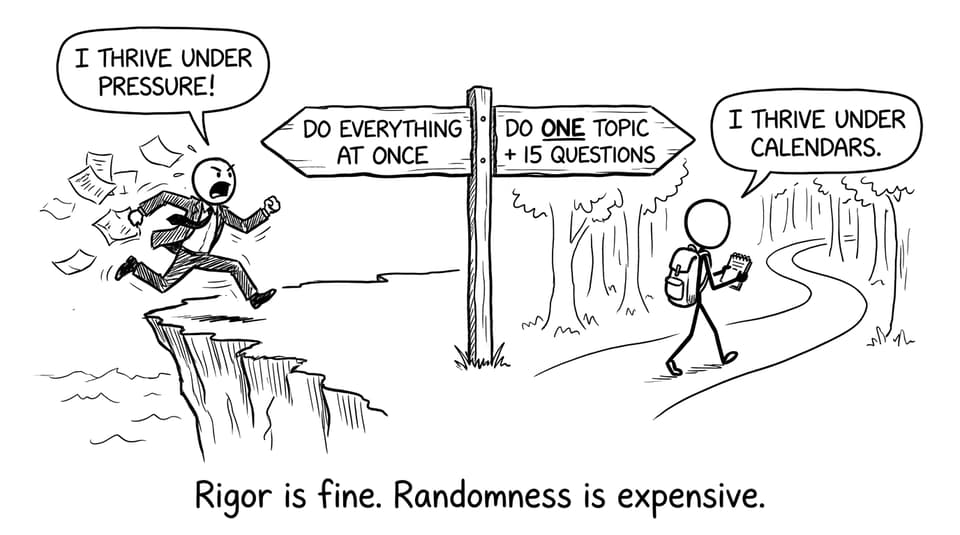
The workload isn’t heavy; it’s continuous
The IB doesn’t usually break students with one huge week. It wears them down with many medium weeks in a row.
Six subjects. Multiple internal deadlines. CAS hours. Draft cycles. Feedback cycles. Exam preparation layered on top.
If you thrive on single-focus intensity, the IB can feel like trying to keep six plates spinning while writing a reflection about plate-spinning.
A practical fix is not “work harder.” It’s “work smaller, more often.” That’s where RevisionDojo’s Flashcards help: daily recall that keeps content alive even when coursework steals your attention.
Breadth can feel like a constraint
Some students know exactly what they want: three subjects, deep focus, minimal extras. The IB asks for breadth across groups, and that can feel inefficient.
But breadth has a hidden advantage: it forces balance. You may never love it, yet it can keep doors open if your plans change. The real question is whether that trade-off matches your personality and goals.
Support quality varies by school
The IB experience is not identical everywhere. Some schools provide strong guidance on coursework, planning, and feedback. Others expect you to figure it out.
If you’re in the second category, you need external structure. RevisionDojo helps by making the invisible parts visible: expectations, criteria, examples, and feedback loops.
For coursework reality checks, students often rely on rubric-aligned feedback like the IB Coursework Grader, plus targeted guidance from RevisionDojo Tutors when you need a human diagnosis instead of generic advice.
Real insights: what IB graduates tend to agree on
When you ask older students Is the IB Diploma Worth It? Key Pros, Cons & Real Insights, their answers usually sound less emotional than you expect.
They’ll say things like:
-
University felt less shocking because deadlines were already normal.
-
Writing and research felt familiar.
-
Time management became a skill, not a personality trait.
They rarely say “I loved every moment.” They say “I’m glad I learned to function.” That’s the kind of pride that doesn’t show up on results day but shows up later.
How to make the IB feel worth it while you’re still in it
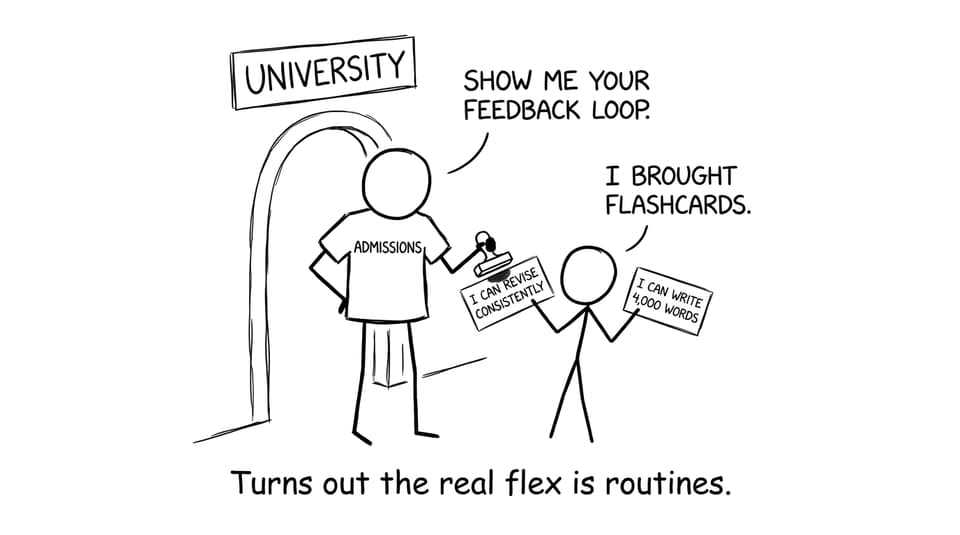
The IB becomes “worth it” faster when your revision stops being random. Here’s a simple structure many high scorers follow:
Build clarity first
Use syllabus-aligned notes to reduce wasted study. Start with RevisionDojo for IB so you’re working from the same map across subjects.
Add daily retention
Use Flashcards for 7-12 minutes a day. Short sessions beat heroic weekends because they keep knowledge retrievable.
Practice like marks exist
Most grade jumps come from practice, not rereading. Do targeted sets in the Questionbank and track weak topics.
Simulate exam conditions (without spiraling)
Timed practice teaches pacing and decision-making. Use IB Predicted Papers as realistic full-paper rehearsals, and pair them with review.
If you want a smart explanation of how to use different exam-style resources without getting confused, read: IB Predicted vs Specimen Papers: What They Mean.
Conclusion: Is the IB Diploma Worth It? Key Pros, Cons & Real Insights
So, Is the IB Diploma Worth It? Key Pros, Cons & Real Insights?
Yes, when you want global recognition, university-style workload practice, and the kind of thinking that makes exams less about luck and more about process. No, when the breadth and constant deadlines flatten your motivation without giving you useful skills in return.
If you’re already in the program, the most practical move is to make it worth it by building a calmer loop: learn with Study Notes, retain with Flashcards, improve with the Questionbank, and rehearse under pressure with IB Predicted Papers. The IB is hardest when you do it alone in your head. It gets lighter when your preparation becomes a system.