


A low predicted grade can land like a slammed door.
One day you are imagining your IB exams as a straight road. The next, a number shows up on a report and suddenly everything feels like a detour: university plans, confidence, even the way you look at your own effort.
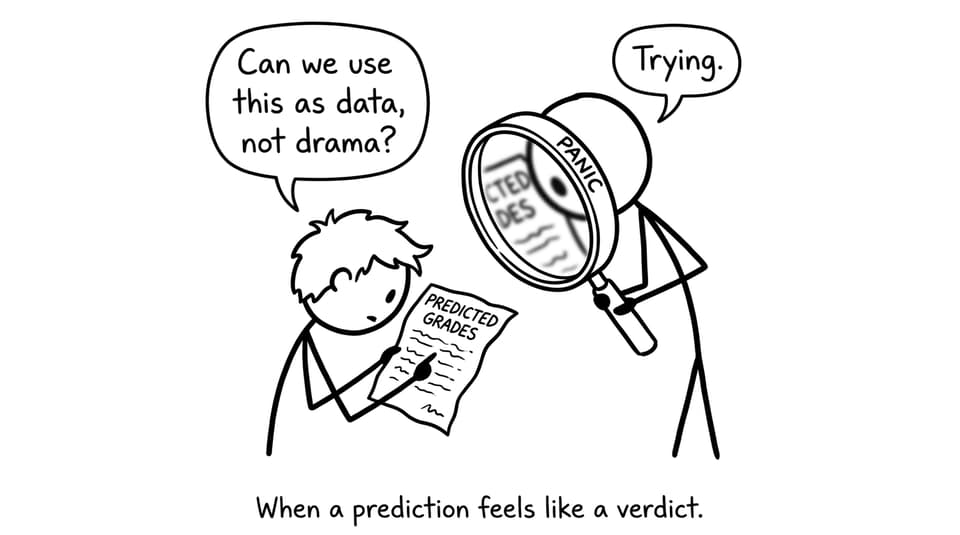
Here’s the part that most IB students preparing for exams need to hear: predicted grades are not a verdict. They are a snapshot of evidence your teachers had at a specific moment. If you treat the snapshot like a destiny, you panic. If you treat it like data, you can change what happens next.
The calm IB response checklist (do this first)
Before you do anything dramatic, run this short IB checklist:
-
Write down the gap (predicted vs. your target) for each subject.
-
Identify what evidence the prediction likely came from (mocks, tests, IA progress, class performance).
-
Decide the goal for the next 14 days: raise prediction, raise exam performance, or both.
-
Choose one subject to fix first (the one with the biggest gap or biggest impact).
-
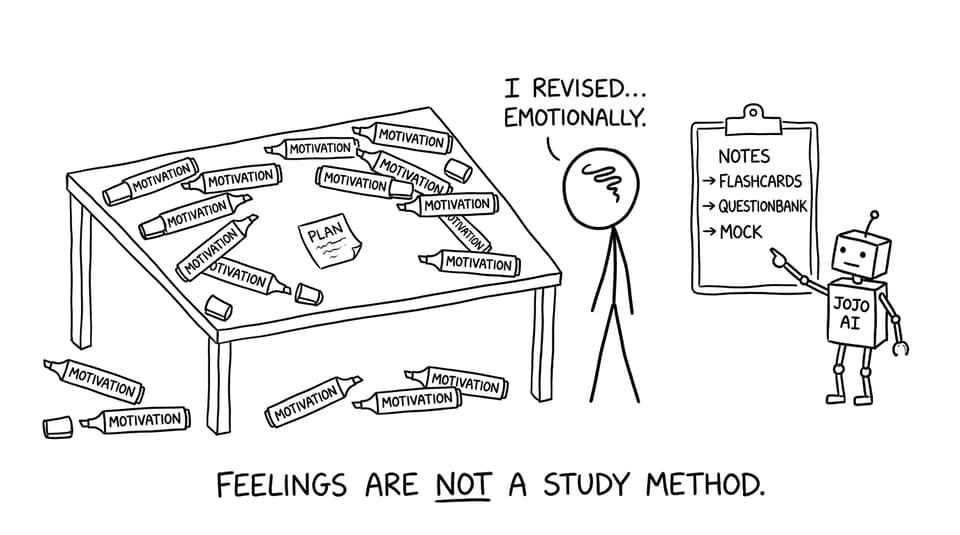
Start a simple loop: clarity -> recall -> practice -> feedback -> repeat.
If you want a structured place to run that loop, RevisionDojo puts it all in one workflow: Study Notes, Flashcards, Questionbank, AI Chat, Grading tools, Predicted Papers, Mock Exams, Coursework Library, and Tutors.
Why IB predicted grades can be lower than expected
In the IB, lower predicted grades usually come from something mundane, not mysterious.
The most common reasons (and why they matter)
-
Early underperformance counts heavily: a rough mock or one bad assessment can dominate the teacher’s evidence.
-
Your IA isn’t showing “marks on the table” yet: if drafts are incomplete, teachers often predict conservatively.
-
Rubrics and command terms weren’t mastered: students often know content but lose marks for “explain” vs “evaluate.”
-
Teachers are cautious by policy: some schools avoid optimistic predictions unless performance is consistent.
-
The learning curve is real: many IB students improve sharply once they train timing and exam technique.
A predicted grade is often a signal about method, not intelligence.
What to do in the first conversation (student-focused)
If you’re an IB student preparing for exams, the first conversation you have about predicted grades matters. It sets the tone for the next few months.
Say what you need without turning it into a fight
Try this:
-
“I’m disappointed, but I want to understand what this is based on.”
-
“Which assessments mattered most for my predicted grade?”
-
“What would a one-grade-higher response look like, specifically?”
That last word is doing the work: specifically. You’re not asking for hope. You’re asking for a target.
Build a 2-week IB improvement loop (that produces evidence)
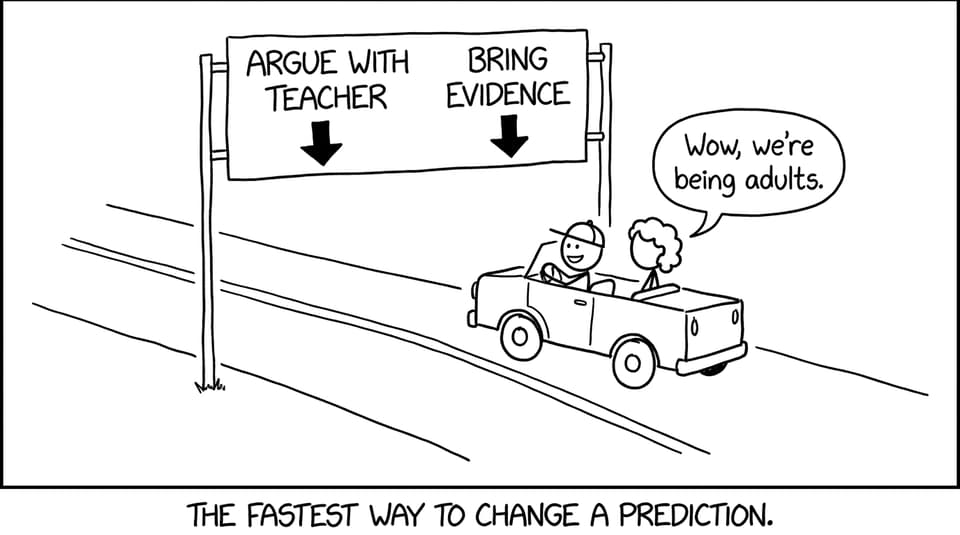
Predicted grades change when teachers see new, credible evidence. Final IB grades change when you build exam performance. The good news is the same plan can do both.
Week structure: small daily wins, one weekly proof session
Daily (30-60 min):
-
10 minutes: Flashcards for recall (definitions, processes, formulas, quotes).
-
20-40 minutes: targeted practice in the Questionbank.
-
5-10 minutes: use AI Chat to diagnose one recurring mistake pattern.
Twice per week (45-75 min):
- Patch one weak topic using Study Notes, then immediately test it with new questions.
Once per week (60-150 min):
- Sit a timed paper simulation using IB Predicted Papers (or a subject paper set) and review like an examiner.
If you want a broader strategy that fits this loop, keep this open: IB: The Last 2 Weeks Before Exams (What Matters).
Turn “studying” into proof your teacher can recognize
After 14 days, bring an “evidence update”:
-
a list of timed sets you completed,
-
what your top 3 error types were (content, method, timing),
-
one improved response with brief annotations.
This is calmer than pleading, and more persuasive than frustration.
What to avoid when predicted grades feel unfair
Lower predicted grades can make you want to do something intense. In the IB, intensity is often noise.
Avoid:
-
Rage-revising (hours of rereading, rewriting, highlighting).
-
Comparisons (friends’ predictions are not a model for your path).
-
Binge tutoring without diagnosis (support helps most when it targets a specific weakness).
-
All-or-nothing thinking (“If I can’t raise this, everything is over.”)
Quick tools that make IB progress feel measurable
When emotions spike, numbers can calm you down in a healthy way.
-
Use the IB Grade Calculator to translate raw marks into a realistic diploma picture.
-
Read IB Predicted Grades Missed? What to Do Next for a more detailed recovery plan.
-
If you need perspective, keep this nearby: IB Predicted Grades Don’t Define You (Here’s What Does).
Closing: make the IB prediction useful
If your predicted grades are lower than expected, you don’t need a new personality. You need a better system.
Treat the IB prediction as information: it tells you where your current evidence is thin, where your exam technique leaks marks, and where a short, focused loop can change the outcome. Build two weeks of targeted practice. Get feedback. Show proof. Repeat.
When you’re ready to make that routine easier to run, RevisionDojo is built for IB students preparing for exams: Questionbank practice with feedback, Study Notes for fast clarity, Flashcards for daily recall, AI Chat for diagnosis, Grading tools for written improvement, and realistic Predicted Papers and Mock Exams to make exam day feel familiar.