


A calm truth about IB German Ab Initio (2025)
The first time most beginners hear the phrase “externally assessed”, their brain does a strange thing: it treats German like a mountain you’re meant to sprint up. But IB Languages are rarely about sprinting. They’re about proving you can communicate when you have limited tools, and doing it consistently.
That’s exactly what IB German Ab Initio assessment is built to measure in 2025: not whether you sound like a native speaker, but whether you can read, write, listen, and speak well enough to handle real situations. Think: a message to a friend, an email to a teacher, an announcement you have to understand, a photo you have to talk about.
If you’re revising for IB Languages exams, this guide breaks down what’s assessed, how it’s weighted, what examiners reward, and how to prepare without drowning in vocabulary lists.
IB German Ab Initio assessment at a glance (2025)
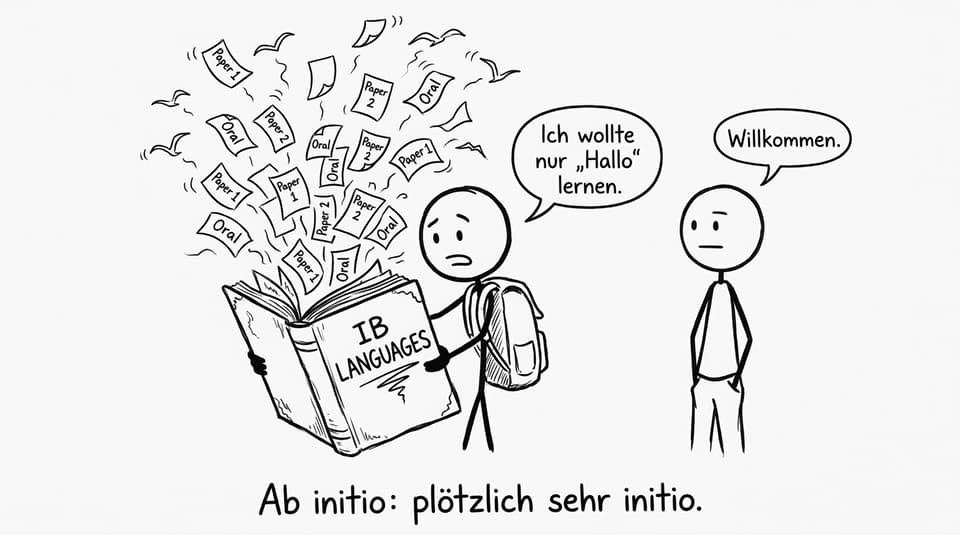
Here’s the high-level picture you should memorise early (and return to often). The 2025-first-assessment model uses three components:
-
Paper 1 (Writing): 25%
-
Paper 2 (Reading and Listening): 50%
-
Individual Oral: 25%
That weighting matters because it shapes your revision priorities. In IB Languages, it’s easy to over-focus on what feels hardest (usually speaking) and under-train what carries the most marks (often receptive skills). Paper 2 is half your grade. Treat it like it is.
If you want the official-feeling overview in one place, see: IB German Ab Initio Exam Format (2025 Guide).
A quick checklist before you start revising
Use this to keep your IB Languages revision balanced:
-
I know the timings and weightings of all components.
-
I can write 200-250 words in at least 3 text types.
-
I can handle reading questions by scanning for purpose, audience, key details.
-
I practise listening with a strategy (gist first, details second).
-
I can describe a photo for 60-90 seconds without freezing.
-
I get feedback (teacher, peer, or RevisionDojo tools) and rewrite.
Paper 1 (Writing) in IB German Ab Initio
Paper 1 is where many students quietly gain marks, because the expectations are clear and trainable. In IB Languages, writing isn’t about “beautiful language”; it’s about delivering a message that fits the situation.
What Paper 1 looks like
-
Duration: 1 hour
-
Weight: 25%
-
Task: Write one text (typically 200-250 words) based on a prompt
-
Text types: often practical formats like email, diary entry, blog post, short article, message
RevisionDojo has a dedicated breakdown here: How Can I Prepare for IB German Ab Initio Paper 1? (2025 Guide).
What examiners reward (in plain language)
Paper 1 marking tends to orbit around four repeatable ideas:
-
Task fulfilment: Did you actually do what the prompt asked?
-
Clarity of message: Are your ideas easy to follow?
-
Language control: Is your grammar and vocabulary appropriate (even if simple)?
-
Text-type conventions and register: Does it look and sound like the format you chose (formal vs informal)?
In other words: you can earn strong marks in IB Languages writing by being organised, accurate, and audience-aware.
A practical Paper 1 strategy that works
Try the “8-60-10” routine:
-
Plan (8 minutes): decide audience + purpose, outline 3 body points, list 8 useful phrases.
-
Write (60 minutes): prioritise clean sentences over risky grammar.
-
Check (10 minutes): verb endings, word order, capitalization of nouns, register mistakes.
If timing is your weak spot, this helps: How Can I Manage Time Effectively in IB German Ab Initio Exams? (2025 Guide).
Paper 2 (Reading and Listening): the 50% engine
Paper 2 is the most heavily weighted part of the course. It’s also where beginners panic unnecessarily. You are not expected to translate perfectly. In IB Languages, comprehension is about extracting meaning, not proving you know every word.
Reading section: what to expect
You’ll read short texts that resemble real life:
-
notices, adverts, announcements
-
emails and messages
-
short articles or blog-style texts
-
descriptive and informative passages
Questions often target:
-
main idea (gist)
-
specific details (names, times, reasons)
-
matching headings or statements to sections
-
inference from context
A quiet trick: train yourself to identify why the text exists (to inform, persuade, invite, complain). That one decision makes many questions easier.
Listening section: what to expect
-
Audio extracts like conversations, interviews, announcements
-
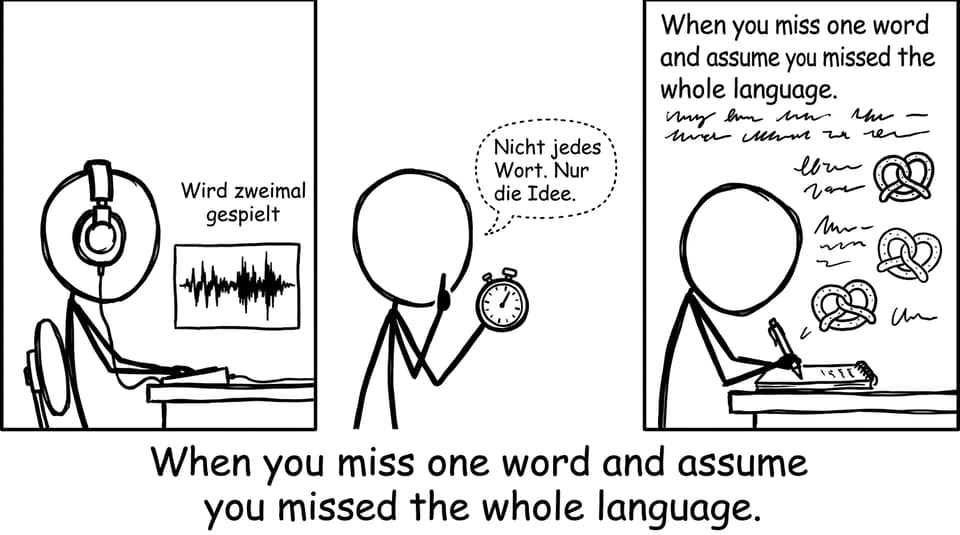
Each recording is played twice
-
You answer comprehension questions based on what you heard
The most important mental shift in IB Languages listening is this: missing a phrase is normal. Don’t chase it. Rejoin the flow and collect the next clue.
Paper 2 training that doesn’t waste your time
Build a routine around three habits:
-
Gist first: after the first read/listen, write one sentence: “This is mainly about…”.
-
Details second: after the second pass, hunt for dates, numbers, places, opinions.
-
Error log: record the 3 words or structures that kept blocking you and turn them into Flashcards.
On RevisionDojo, students often pair this with exam-style practice from the course pages and Questionbank. Start here: German ab initio - IB Resources and the External Assessment Questionbank.
The Individual Oral: where confidence becomes a skill
The Individual Oral is worth 25%, which means it’s significant but not everything. Still, in IB Languages, it’s the component that changes how you feel about the subject. When it goes well, German stops being “content” and becomes something you can actually use.
What the Individual Oral looks like (German Ab Initio)
-
Conducted by your teacher and recorded
-
Sent for external moderation
-
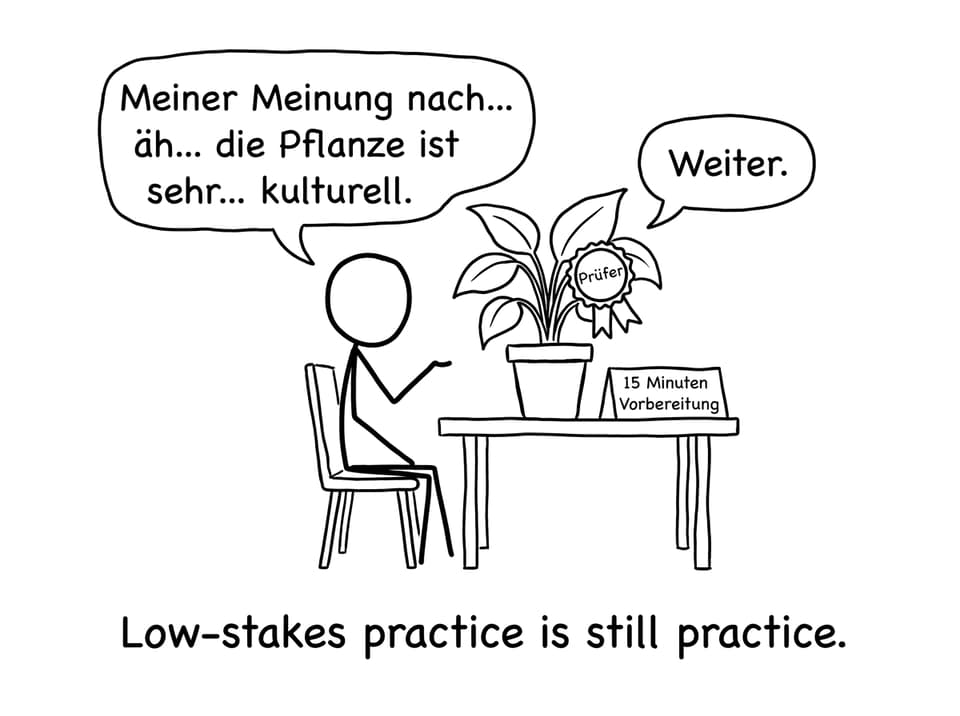
Built around a visual stimulus connected to course themes
You’ll typically:
-
prepare briefly (with a timer)
-
describe what you see
-
interpret meaning and connect to a theme
-
respond to follow-up questions in a discussion
For a dedicated guide, use: How to Succeed in the IB German Ab Initio Oral Exam (2025 Edition).
What examiners are really listening for
Even in the oral, the IB is grading communication. Strong candidates usually show:
-
clear description (who, what, where)
-
simple opinions (and reasons)
-
theme vocabulary used naturally
-
ability to respond when the conversation shifts
If you can keep talking calmly, correct yourself, and keep your ideas organised, you’re doing what IB Languages assessment is designed to reward.
The themes: the hidden structure behind every component
A lot of revision stress comes from treating German as infinite. But Ab Initio is not infinite. It’s structured around five IB themes (and their subtopics), and assessments repeatedly pull from that pool.
If you want to revise with less guesswork, use theme-first resources like:
-
What Themes Are Most Challenging in IB German Ab Initio? (2025 Guide)
-
How Do IB German Ab Initio Exams Test Cultural Awareness? (2025 Guide)
This is also why generic language apps can feel comforting but unhelpful. IB Languages success comes from practising the tasks the IB actually sets.
How RevisionDojo turns assessment into a repeatable system
The students who improve fastest don’t “revise harder.” They revise in loops: attempt, feedback, refine, repeat.
RevisionDojo is built for that loop:
-
Questionbank for exam-style practice (including Ab Initio-aligned tasks)
-
Study Notes to clarify what each component rewards
-
Flashcards for spaced repetition of theme vocab and grammar chunks
-
AI Chat to generate speaking prompts, rewrite sentences, and explain errors
-
Grading tools to get criteria-aligned feedback quickly
-
Predicted Papers and Mock Exams to simulate exam pressure without guessing
-
Coursework Library and Tutors when you need examples or human guidance
If you’re building a broader IB Languages plan across courses, the tag hub is useful: IB Languages Posts.
Closing: make the assessment work for you
So, how is IB German Ab Initio assessed in 2025? Through a balanced, beginner-friendly model: Paper 1 writing (25%), Paper 2 reading and listening (50%), and the Individual Oral (25%). It’s classic IB Languages logic: four skills, real-world tasks, and rewards for clear communication.
Your next step is simple: stop revising German as a subject you “cover,” and start training it as a set of performances you repeat. Build a weekly loop: one timed writing, one reading set, one listening set, one oral stimulus. Then use RevisionDojo to tighten the loop with feedback, Flashcards, AI support, and realistic exam practice.
If you want everything in one place, begin at German ab initio - IB Resources and build from there.


