
Mitigation can feel like a comforting word in IB Geography: a promise that if we choose the right policies, the right technologies, the right behaviours, the climate curve will bend.
But in exam rooms (and in real life), the truth is quieter: mitigation works best when you can explain how it works, where it stalls, and why outcomes vary by place, wealth, and governance. That evaluation mindset is exactly what earns marks in IB Geography.
What “effective” means in IB Geography
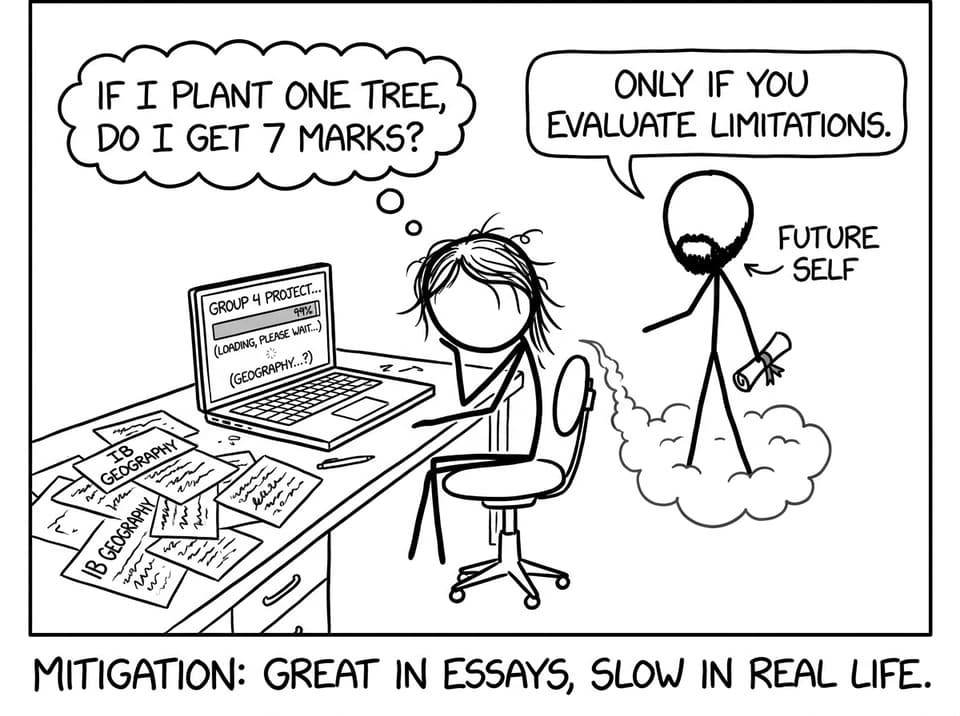
In IB Geography, you are rarely asked to list strategies. You are asked to judge effectiveness. A simple checklist helps:
-
Scale: local, national, global
-
Speed: immediate vs decades
-
Certainty: predictable reductions vs uncertain outcomes
-
Equity: who pays, who benefits
-
Leakage and rebound: emissions shifting elsewhere; efficiency increasing consumption
To anchor this in the syllabus, use Responding to climate change and building resilience notes alongside practice from the Topic 2.3 Questionbank.
Renewable energy transition: effective, but uneven
Switching from fossil fuels to wind, solar, hydro, and geothermal reduces emissions from electricity generation. In many high-income countries, renewables have slowed emissions growth because grids, finance, and regulation can move faster.
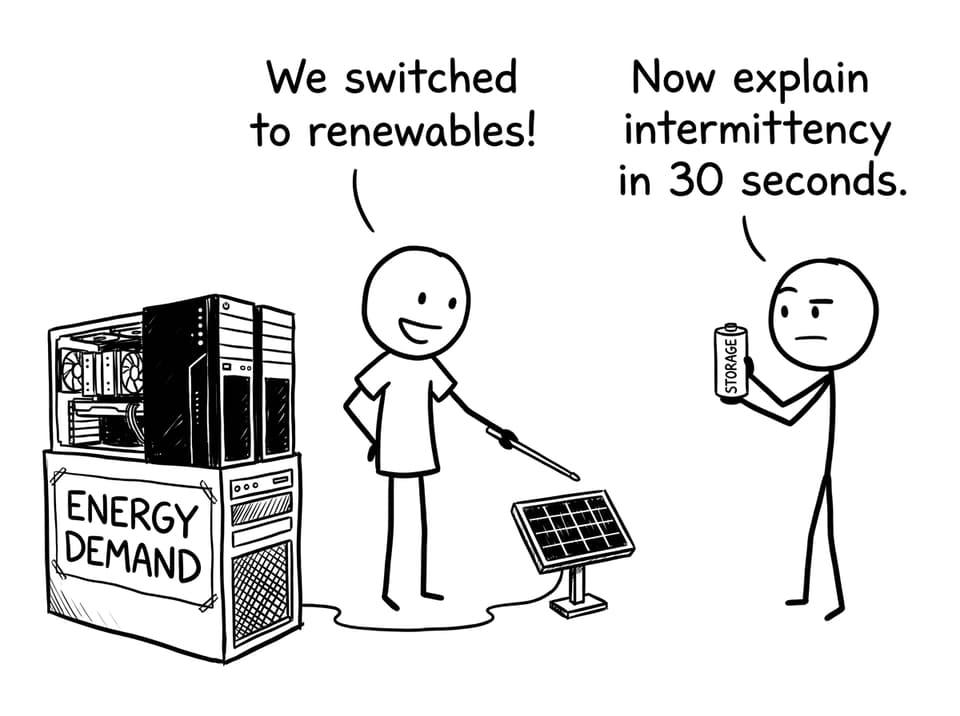
However, effectiveness varies globally. High upfront costs, limited infrastructure, and storage challenges (intermittency) can slow progress, especially in low- and middle-income countries. In IB Geography, that’s your evaluation line: the strategy is effective in principle, but constrained by capacity and energy system lock-in.
For quick consolidation, start from the IB Geography hub at IB Geography Resources and build a short case study bank using IB Geography Case Studies: A Comprehensive Exam Guide.
Energy efficiency: the fast win (with a catch)
Efficiency measures (better insulation, efficient appliances, improved transport, industrial optimisation) can cut emissions without reducing output. That makes them popular because they’re often cost-effective and can be implemented quickly.
The catch is the rebound effect: if energy gets cheaper per unit, people may use more of it. For IB Geography essays, you can score evaluation marks by noting that efficiency is most effective when paired with standards, pricing, or behaviour change.
Try timing yourself with exam-style responses using RevisionDojo’s Questionbank feature, then tighten your evaluation using AI feedback.
Forest-based mitigation: valuable, limited, slow
Afforestation and reforestation increase carbon sequestration by expanding carbon sinks. They can also protect biodiversity and reduce soil erosion.
But forests take time to mature, land is limited, and ongoing deforestation can cancel gains. That makes forest strategies meaningful but rarely sufficient alone. In IB Geography, frame this as: high co-benefits, but limited by competing land uses and governance.
To connect sinks to broader physical impacts in your answers, revise the linked processes in Impacts on the hydrosphere and atmosphere notes.
Policy tools: carbon pricing and international agreements
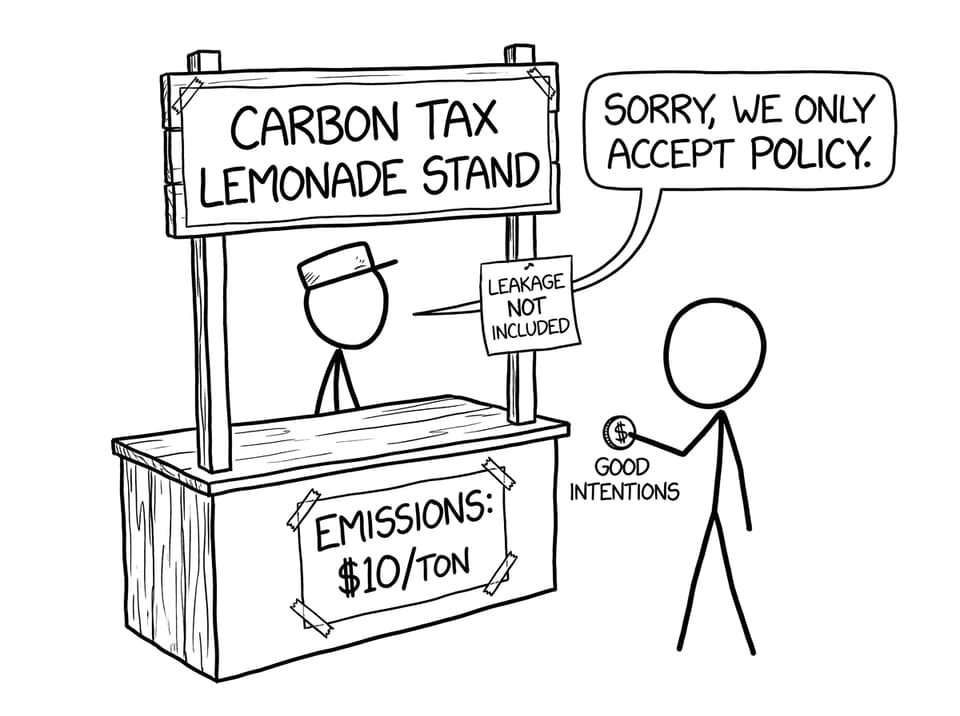
Carbon taxes and emissions trading schemes attempt to make emitting greenhouse gases more expensive, pushing firms and consumers toward cleaner choices. Policies can be powerful because they reshape incentives at scale.
International agreements (like global climate frameworks) aim to coordinate action, but effectiveness depends on political commitment and enforcement. Different national priorities, development levels, and domestic politics can limit cooperation. Your IB Geography evaluation should balance: coordination is essential, but compliance and ambition vary.
Quick exam-ready paragraph structure (PEEL++)
When asked “How effective are mitigation strategies?” in IB Geography, use:
-
Point: Mitigation can reduce future warming if implemented at scale.
-
Evidence: Renewables and efficiency can cut energy-related emissions; forests increase sinks; policies shift incentives.
-
Explain: Link to emissions pathways and scale.
-
Limitations: finance, infrastructure, governance, leakage, time lags.
-
Judgement: Most effective as a portfolio, sustained over decades.
To practise clarity, use RevisionDojo’s Study Notes, Flashcards, and AI Chat together on the IB Geography Resources page, then test yourself in the Questionbank.
Conclusion: what to write in one confident line
Mitigation strategies are genuinely effective in reducing future climate change, but their success depends on scale, speed, and sustained political cooperation, so in IB Geography, the highest marks go to answers that weigh both successes and limits.
If you want to turn that judgement into consistent 7-level writing, use RevisionDojo’s Questionbank, Study Notes, Flashcards, AI Chat, Grading tools, Predicted Papers, Mock Exams, Coursework Library, and Tutors via IB Geography Resources.