
When everywhere starts to feel the same
You know the feeling: you land in a new city, step outside, and the street could be almost anywhere. The same logos, the same playlists, the same menu boards. In IB Geography, that uneasy sense has a name: cultural homogenisation. But the story is not just about cultures being flattened. It is also about how places push back, quietly and strategically, to protect identity, memory, and meaning.
If you are revising for exams, this is a high-value idea because it links place, power, globalisation, and identity in one clean chain of reasoning. And it gives you evaluation: resistance is rarely total; it is often selective.
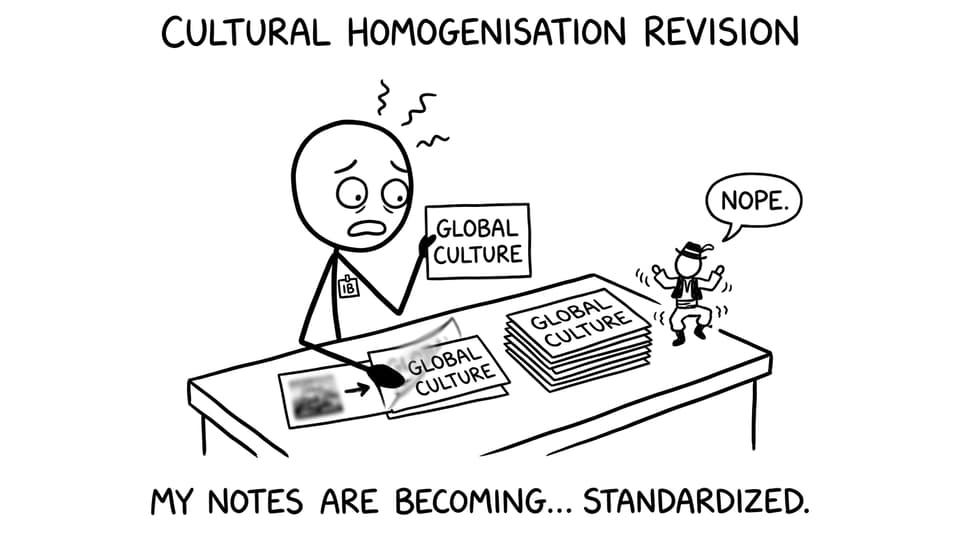
Quick exam checklist (use this for 6- to 10-mark answers)
In IB Geography, places resist cultural homogenisation through:
-
Language preservation (schools, media, official status)
-
Government policy (heritage protection, media quotas, planning rules)
-
Community action (festivals, rituals, museums, local organisations)
-
Glocalisation (adapting global products to local culture)
-
Education (local history and values, intergenerational transfer)
-
Economic strategies (supporting local businesses and crafts, careful tourism)
For syllabus context, keep your notes anchored in Changing identities and cultures notes and practise wording with the Changing identities and cultures Questionbank.
Language preservation: the simplest form of resistance
If culture is a house, language is the foundation. Once a language disappears from daily life, the loss is not only vocabulary; it is humour, values, and ways of describing the world. In IB Geography, you can explain language preservation as a deliberate strategy to maintain cultural continuity under global media and migration pressures.
Typical methods include bilingual education, funding local-language broadcasting, and giving indigenous languages official recognition. The point is not to freeze culture in time, but to keep it usable for younger generations.
Policy and power: when resistance becomes law
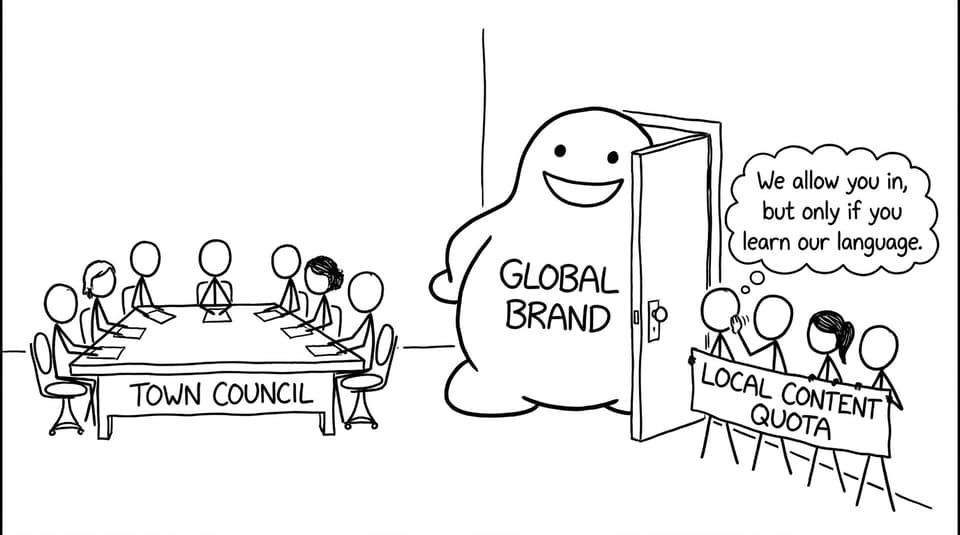
Some resistance is personal, but some is structural. Governments can use legislation to protect heritage sites, regulate advertising, or support domestic creative industries so they are not crowded out by global media.
A classic example is local content quotas for music, film, or television. In IB Geography, this is a strong place to discuss power: who gets to decide what counts as “culture,” and who benefits economically?
If you want a broader globalisation frame, connect this to Globalisation vs nationalism notes.
Community action: traditions that keep showing up
Not all resistance needs official backing. Local festivals, rituals, religious events, and community arts can act like cultural “recharge points.” They bring people together, repeat symbols, and pass knowledge forward.
For exam answers, emphasise that community action often protects intangible heritage: food practices, storytelling, music styles, and social norms. These are harder to measure, but highly visible in place identity.
Glocalisation: resisting without rejecting
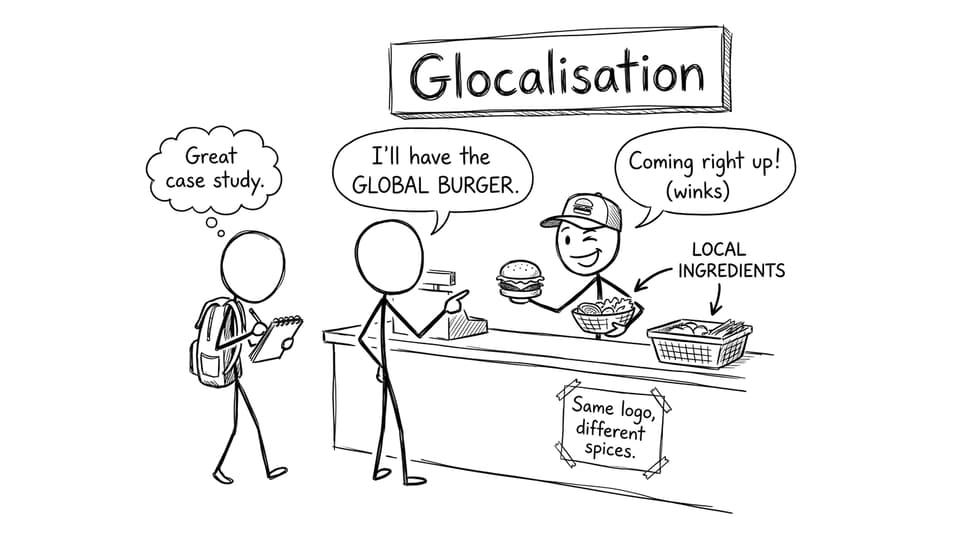
A common mistake in IB Geography is to treat resistance as anti-global. Many places do not refuse global flows; they remix them. That is glocalisation: global products and ideas adapted to local tastes, languages, and values.
This is an excellent evaluation line: homogenisation pressures can produce hybrids, not just sameness. It also links neatly to the role of global companies, which you can extend with TNCs and cultural patterns.
Economic strategies (and the commodification risk)
Supporting local businesses, crafts, and carefully managed tourism can make cultural protection economically viable. If a tradition can support livelihoods, it has a better chance of surviving.
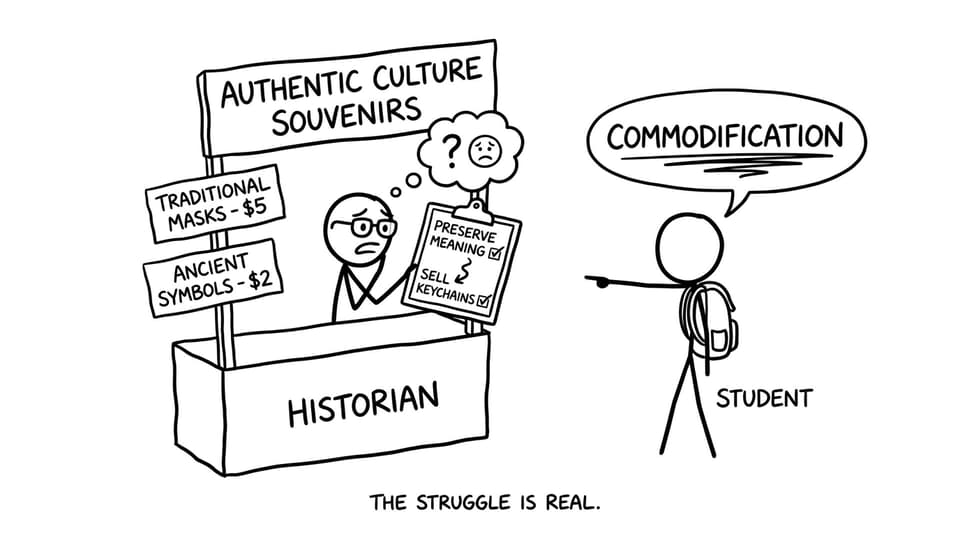
But IB Geography wants you to evaluate the risk: commodification. When culture is packaged for outsiders, it can be simplified, staged, or stripped of meaning. Your top-band move is to show both sides: economic resilience vs loss of authenticity.
How to turn this into an exam-ready paragraph
A strong structure is: define cultural homogenisation, explain two resistance strategies, then evaluate using glocalisation or commodification. For more practice prompts in the right style, browse IB Geography posts and refine your timing with the RevisionDojo Questionbank.
Conclusion: make your answer about place, power, and choice
Places resist cultural homogenisation because identity is not a passive thing. It is protected through language, policy, community practice, education, and selective adaptation. In IB Geography, your goal is to show that globalisation does not produce one inevitable outcome; it creates tension, negotiation, and sometimes surprisingly resilient local culture.
When you are ready to turn this into marks, RevisionDojo helps you move from ideas to exam performance with its Questionbank, Study Notes, Flashcards, AI Chat, Grading tools, Predicted Papers, Mock Exams, Coursework Library, and Tutors. Build one clean paragraph today, then practise it until it feels inevitable.