

You can memorize every perfect adjective ending and still walk out of the IB German Ab Initio exam feeling like something was missing.
Usually, it is not the grammar.
It is the moment the prompt asks you to write a blog post about a local event, or the photo in the oral shows a train platform, and you realize the exam is quietly asking: Do you understand the life behind the language?
That is cultural awareness, and in IB Languages, it is not a bonus. It is built into what counts as “communication.” In the 2025 assessments, German Ab Initio still rewards students who can connect language to real contexts in German-speaking communities--without trying to sound like a Wikipedia entry.
Along the way, you can use RevisionDojo’s German Ab Initio hub for targeted practice and feedback: German ab initio - IB Resources.
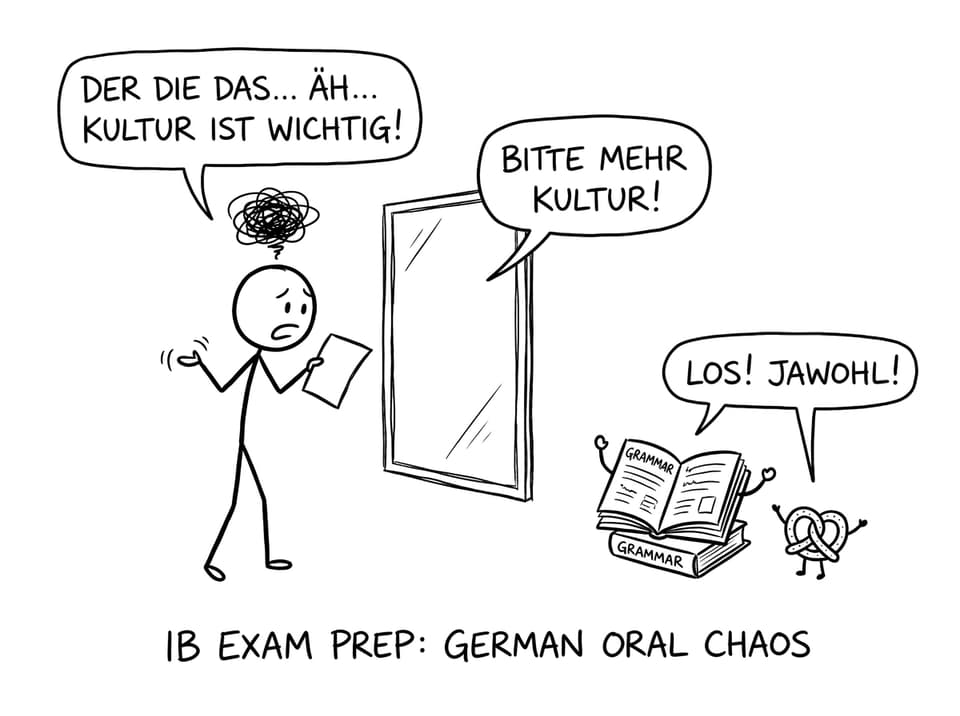
Cultural awareness in IB Languages: what it actually means
In IB Languages, cultural awareness is assessed at the level of everyday life: routines, values, social norms, and the kind of choices people make (transport, food, school life, sustainability). You are not expected to deliver a history lecture. You are expected to communicate with an awareness that German is used by real people in real places.
A simple way to remember it: culture is the “why” behind vocabulary.
If you are studying the 2025 course structure, these themes keep recurring across tasks. RevisionDojo’s overview is a helpful reference: What Is IB German Ab Initio? Complete 2025 Guide.
Quick checklist: what examiners look for
-
You stay relevant to German-speaking contexts (even with simple language).
-
Your tone fits the text type and audience (email vs diary vs blog).
-
You can make a basic comparison to your own experience without overgeneralizing.
-
You show you understand context clues in reading and listening.
-
In the oral, you move beyond description into meaning.
Paper 1 writing: cultural awareness through choices and details
Paper 1 is where many students think culture is optional. It is not.
German Ab Initio Paper 1 usually asks you to produce a practical text type (email, blog, diary entry, short article). Those formats exist in real life, which means the task expects a real-life setting. In IB Languages, that setting is often the difference between “correct German” and “convincing communication.”
If you want a clean breakdown of the exam structure, keep this open while you practice: IB German Ab Initio Exam Format (2025 Guide).
How to add culture without forcing it
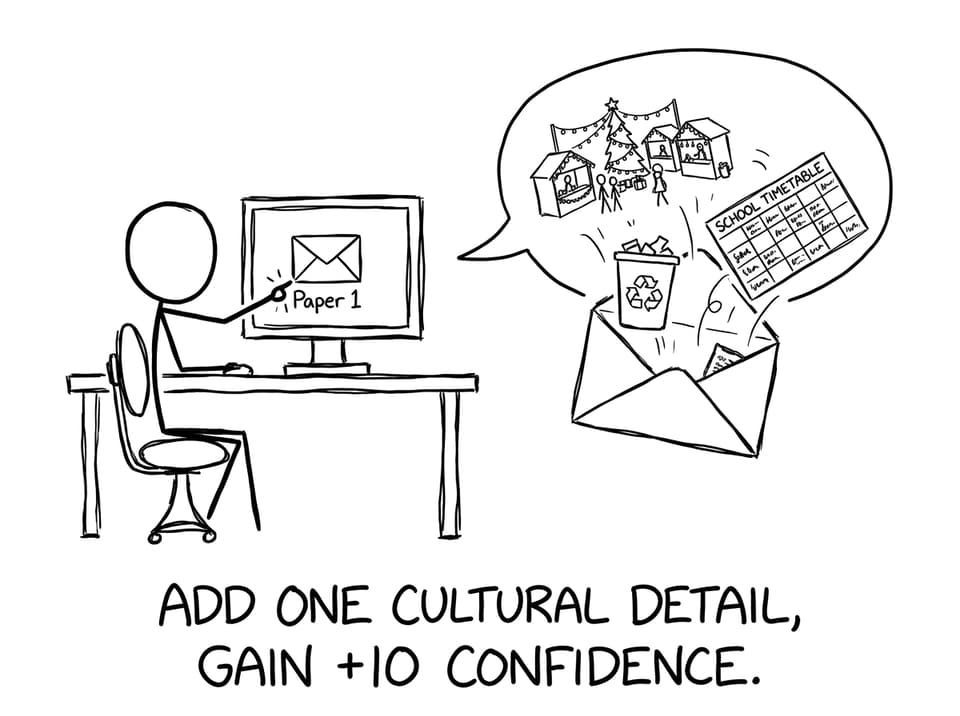
Use one or two natural cultural anchors, then keep writing.
Examples of anchors that work at Ab Initio level:
-
A Weihnachtsmarkt visit (food stalls, lights, meeting friends).
-
School routines that hint at differences (start times, clubs, transport).
-
Everyday sustainability habits (recycling systems, biking, public transport).
-
Food and social life (bread culture, eating times, simple restaurant etiquette).
The key is restraint. A single well-placed detail can lift the whole piece.
Where students lose marks
-
Writing generically: it could be any country, any language.
-
Ignoring audience: cultural awareness includes register.
-
Memorizing “facts” in English, then writing flat German with no context.
If your sentences feel rigid, review a few core grammar points so your cultural details can land cleanly. RevisionDojo’s guided grammar notes help you keep writing simple but accurate, for example: Sentence Word Order: Main Clauses (Verb-Second Rule).
Paper 2 reading and listening: culture is the hidden comprehension test
Paper 2 materials tend to look like everyday texts: ads, announcements, short blog posts, schedules, messages, mini-articles. The vocabulary is important, but in IB Languages, comprehension is often about recognizing what kind of situation you are in.
For targeted practice, RevisionDojo has a dedicated skill page: Paper 2 Reading - IB German ab initio.
What “cultural awareness” looks like in Paper 2
-
Understanding why public transport language matters (platforms, tickets, timetables).
-
Recognizing that an “announcement” has a purpose and tone.
-
Interpreting sustainability references as values, not random vocabulary.
-
Using layout clues (headings, bullet points, prices, dates) like a real reader would.
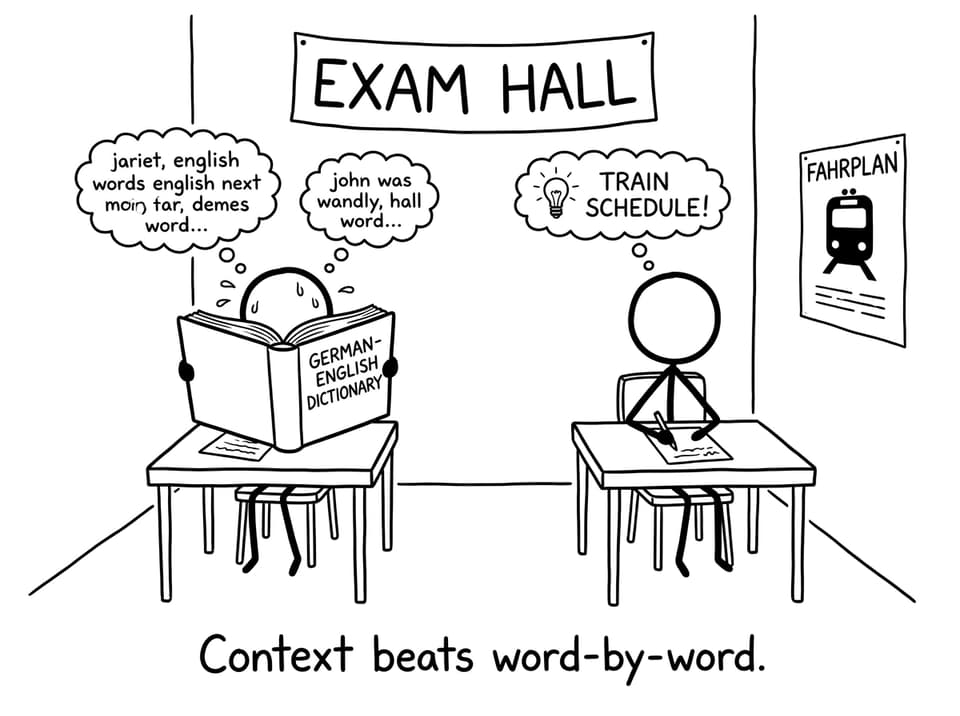
A strong habit: stop translating everything. Read like someone who lives there.
The Individual Oral: where cultural awareness becomes visible
The oral can feel like a performance, but the best ones feel like a conversation with structure.
In the Individual Oral, cultural awareness is usually embedded in the visual stimulus: family life, school, leisure, transport, environment, technology. The exam wants to see whether you can interpret what the image suggests about society, then connect it to your own world.
RevisionDojo’s oral guide gives a reliable framework: How to Succeed in the IB German Ab Initio Oral Exam (2025 Edition).
A simple 3-step model that scores well
-
Describe what you see (clear, concrete nouns and verbs).
-
Explain cultural meaning (what this suggests about routines or values).
-
Compare to your experience (similarities and differences).
This model works because it shows observation, interpretation, and reflection--the core of cultural awareness in IB Languages.
What examiners reward (and what they do not)
Examiners do not need deep sociology. They reward evidence that you understand “normal life” and can communicate accordingly.
They reward
-
Specific, everyday references that fit the theme.
-
Comparisons that stay respectful and accurate.
-
Language that matches audience and purpose.
-
Cultural detail expressed in German, even if simple.
They do not reward
-
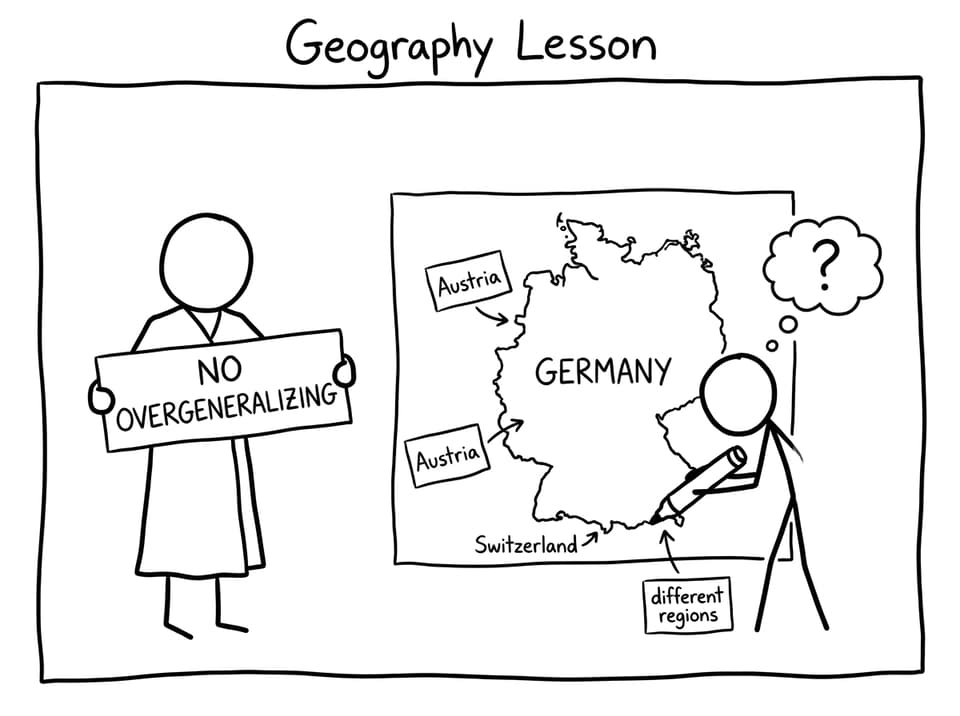
Overgeneralizing (“Germans always…”) as if culture is one single thing.
-
Random name-dropping of cities or foods that do not fit the task.
-
Long memorized paragraphs that sound detached from the prompt.
Using RevisionDojo to train cultural awareness (not just learn facts)
Cultural awareness is a skill: noticing, selecting, and integrating context under time pressure.
RevisionDojo helps you build that skill across the full IB Languages workflow:
-
Questionbank to practice culture-rich prompts by theme.
-
Study Notes for quick refreshers before timed writing.
-
Flashcards for high-frequency phrases that add authentic tone.
-
AI Chat to rehearse oral follow-ups and get instant rephrasing help.
-
Grading tools to check whether your writing actually matches task, audience, and theme.
-
Predicted Papers and Mock Exams to simulate exam pressure properly.
-
Coursework Library and Tutors when you need examples and feedback loops.
If you are still assembling your resources, this guide is a strong starting point: What Study Resources Are Best for IB German Ab Initio?.
Final thoughts: culture is the shortcut to better marks
Cultural awareness is not extra content you tack on at the end. In IB Languages, it is what makes your German sound like it belongs to a real person, in a real place, speaking for a real reason.
If you want a practical next step, open a timed prompt and set a tiny goal: include one cultural anchor and one comparison. Then get it checked with RevisionDojo’s Grading tools, drill similar prompts in the Questionbank, and rehearse oral follow-ups with AI Chat. That is how cultural awareness becomes a scoring habit--not a last-minute add-on.