

The IB balancing act your teen won’t say out loud
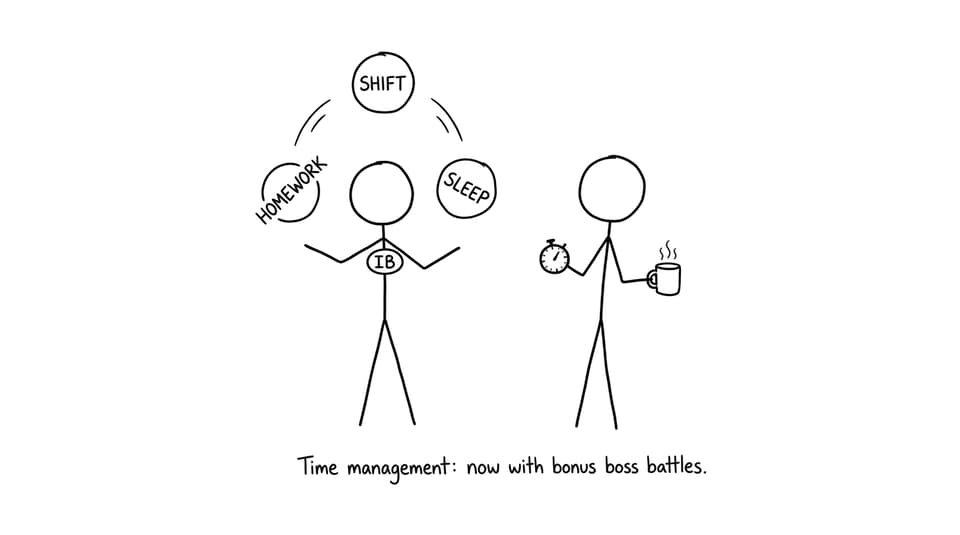
There’s a specific moment many IB students hit: it’s 9:47 p.m., their shift ends, they open a laptop, and the screen feels heavier than it should. Not because they don’t care. Not because they’re “bad at time management.” But because IB isn’t just homework; it’s a two-year system of deadlines, coursework, and exam technique that keeps moving even when life gets busy.
If you’re a parent, you’re usually holding two truths at once. You want your teen to learn independence (work helps). And you want them to protect their grades and health (the IB demands that). The goal isn’t to win an argument about priorities. The goal is to build a schedule that survives real weeks; the normal ones and the brutal ones.
Quick checklist: supporting an IB student with a job
Use this as a weekly reset. If you can’t answer “yes” to most of these, the plan needs adjusting.
-
Your teen’s work hours are capped (usually 5-10 hours/week is realistic during heavy IB periods).
-
Shifts don’t routinely cut into sleep.
-
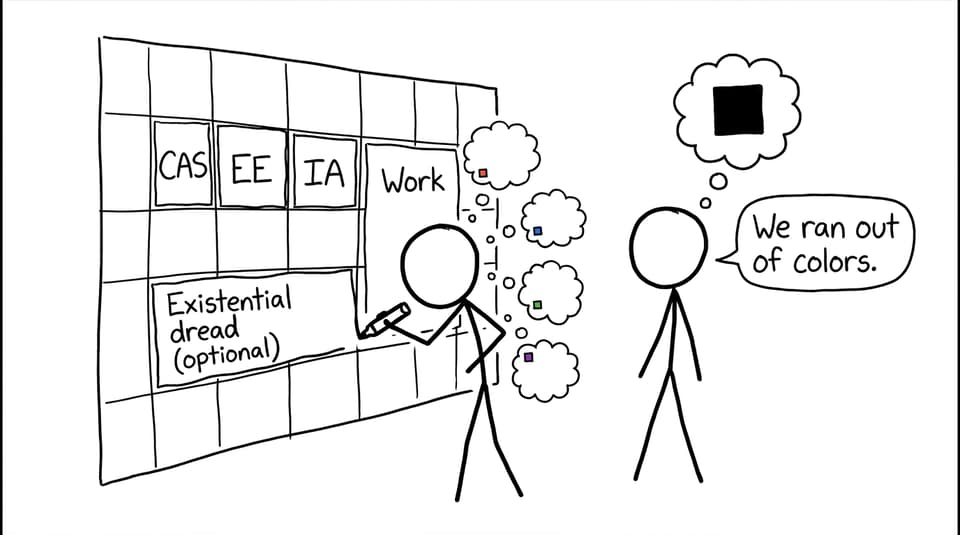
There’s a visible calendar for school deadlines, IB coursework, and work.
-
Study time includes practice questions, not only rereading.
-
Your teen has a stress signal plan (what you’ll change when pressure spikes).
For study structure, many students do better when they have one home base for everything: practice, notes, feedback, and timed training. That’s the role RevisionDojo plays: a Questionbank, Study Notes, Flashcards, AI Chat, Grading tools, Predicted Papers, Mock Exams, a Coursework Library, and Tutors when they need a human diagnosis.
Why part-time work can help (and hurt) in IB
Part-time work can be genuinely healthy in the IB if it’s sized correctly.
When it helps
Work can create rhythm. A shift forces a start and an end, which can reduce procrastination. It also builds the kind of “show up anyway” resilience that exam seasons require. For some IB students, work is the one place they feel competent when school feels like constant evaluation.
When it hurts
The IB punishes invisible costs: lost sleep, fragmented evenings, and weekends that disappear into “just one more shift.” Those don’t look dramatic day to day. But after a month, they show up as slower reading, worse recall, and more anxiety before tests.
Parent strategies that actually work for IB students
Agree on a trial period (and measure, don’t guess)
Start with a two-to-four week trial. Keep hours low at first. Then review using evidence: sleep, mood, and whether school tasks are getting done without nightly emergencies.
A helpful metric is not “Did you study?” but “Did you do IB practice?” For example, can they complete targeted sets in a Questionbank and correct mistakes, or are they stuck in passive rereading? RevisionDojo’s Questionbank feature is built for this kind of reality check.
Design a schedule that protects the high-value IB hours
Not all study hours are equal. Many IB students do their best work in one or two predictable windows (often early evening or weekend mornings). Protect those windows first, and fit work around them.
To make study time efficient, pair clarity with repetition:
-
Use How to Study for IB Exams: Step-by-Step Guide to shape the week.
-
Use 10 Proven Study Techniques for IB Students to keep sessions active.
Teach the “busy-week downgrade” plan
This is the skill that prevents burnout: knowing how to reduce workload without quitting everything.
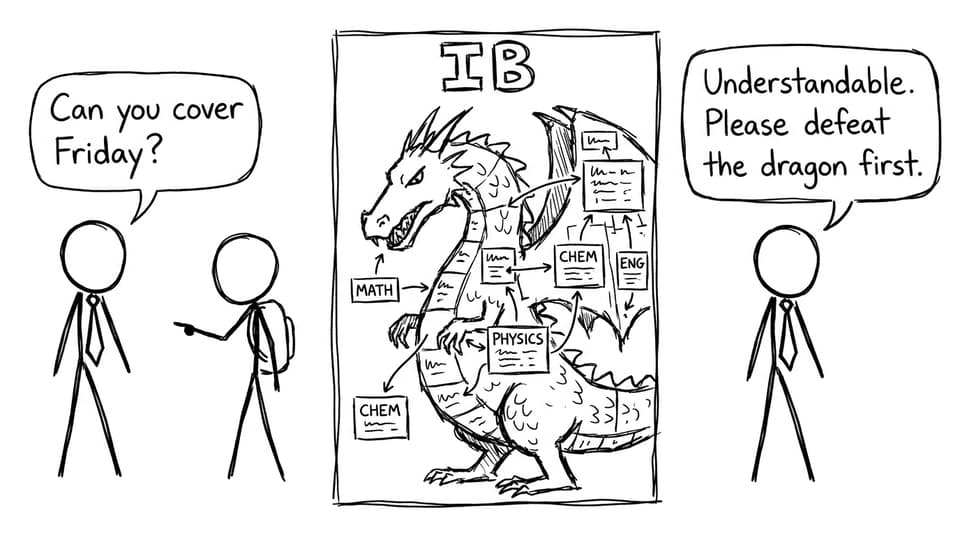
During IA deadlines, EE pushes, or mock season, agree in advance what gets downgraded:
-
Fewer shifts for 2-3 weeks
-
Shorter shifts instead of longer ones
-
Study becomes smaller but more intense (Flashcards + targeted questions)
RevisionDojo’s Flashcards help students keep momentum on weeks when time is tight; 10 minutes of recall can save an hour of relearning later.
Make the job “IB-compatible” where possible
Encourage choices that reduce friction:
-
predictable hours
-
a manager open to exam-season boundaries
-
minimal late nights
It’s not about being picky. It’s about choosing work that respects the IB calendar.
Use tools that compress study time, not expand it
A teen balancing IB and work needs fewer tabs, not more. When study is scattered, time leaks.
RevisionDojo compresses the loop:
-
Study Notes for fast understanding
-
AI Chat to get unstuck quickly
-
Grading tools to learn what marks actually want
-
Predicted Papers and Mock Exams to train timing and stamina
If your teen struggles to turn effort into results, send them to You’re Not Lazy: Your IB Study Method Is Broken. If exam rehearsal is the missing piece, IB Predicted Papers adds realism without guesswork, and IB Predicted vs Specimen Papers clarifies how to use each.
Closing: balance is a skill, not a personality trait
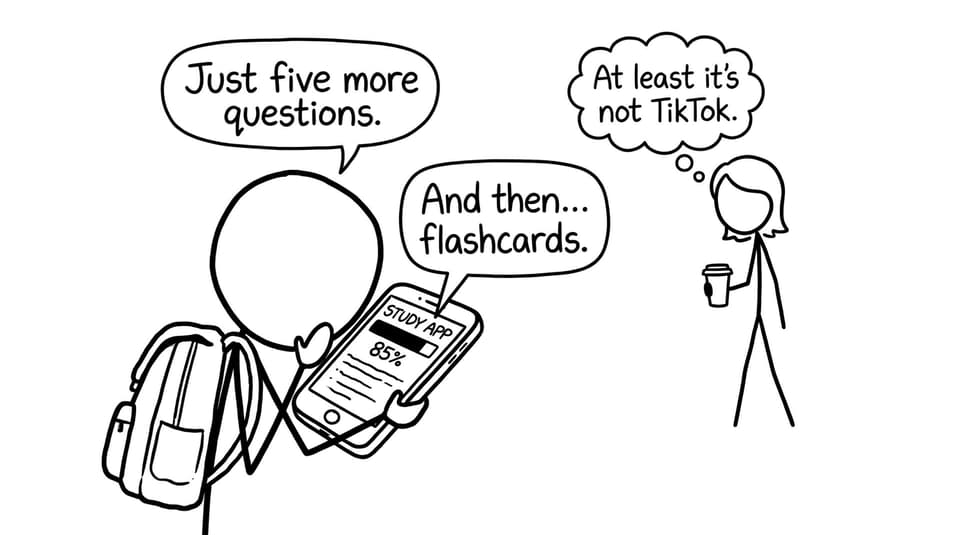
Supporting a teen through IB with part-time work isn’t about choosing academics over growth. It’s about teaching them how to run a realistic life: set boundaries, protect sleep, and use tools that turn limited time into real progress.
If your teen is serious about balancing IB and work, help them build one calm, repeatable study system. RevisionDojo is designed for exactly that: Study Notes, Flashcards, a Questionbank, AI Chat, Grading tools, Predicted Papers, Mock Exams, a Coursework Library, and Tutors, so busy weeks don’t become lost weeks.