

When “top university” stops being the plan
There’s a quiet moment many IB families recognize: you’re discussing the future, and your child says something simple like, “I don’t think I want a top university.” Not in anger. Not as a rebellion. Just… as a fact.
If you’re an IB student reading this, you might feel caught in the middle. You still have exams. You still have deadlines. But you also don’t want your life to become a two-year audition for someone else’s dream.
The good news is that the IB is bigger than a university logo. It’s training in focus, thinking, writing, resilience, and managing pressure. Those skills travel well, whether you’re aiming for a local university, a specific course, a gap year, an apprenticeship, or a path you can’t fully name yet.
A quick checklist for resetting expectations (without losing momentum)
Use this as your “family reset” when the IB conversation turns tense:
-
Name the real goal: a strong, healthy finish to IB exams.
-
Define what “good outcomes” means (grades, skills, wellbeing, options).
-
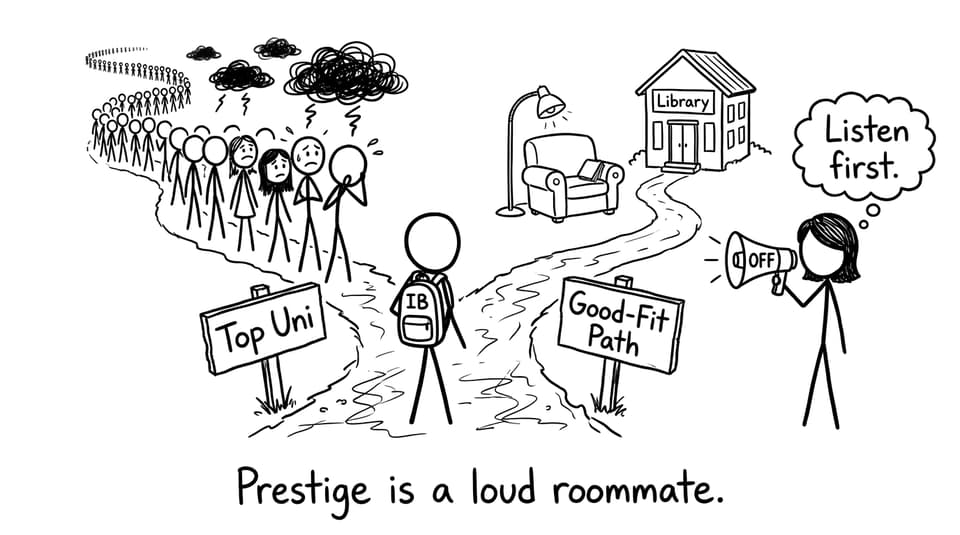
Replace prestige talk with fit talk: course, campus, cost, location, support.
-
Agree on one next step (research, school counselor chat, or a plan review).
-
Keep revision practical: questions, feedback, and small weekly improvements.
To keep the studying side steady while the life-plan shifts, tools help. RevisionDojo’s Questionbank makes it easier to focus on outcomes you can control: accuracy, timing, and weak-topic fixes.
Why some IB students don’t want the “top uni” route
Sometimes the reason is obvious: cost, location, or a specific program that isn’t at a famous school. Often it’s subtler.
They want a life that is sustainable
The IB can teach you how to push. But it also quietly teaches you what pushing costs. Some students decide early that they want balance, sleep, sport, music, or room to breathe.
They’ve learned what “fit” actually means
A supportive environment can beat a competitive one, especially if you learn best with mentoring, smaller classes, or practical placements.
Their goals changed during IB (which is normal)
The student who chose subjects at 15 isn’t the same person at 17. The IB exposes you to new interests, and changing direction can be wisdom, not failure.
If you’re trying to keep your revision consistent while motivation feels complicated, it helps to use structured resources like Study Notes and the broader RevisionDojo for IB toolkit.
How to manage expectations (as a student) without starting a war at home
This topic is framed for parents, but you’re the one living it. Here are ways to keep your autonomy and still protect the relationship.
Translate your plan into something measurable
Vague sounds scary. Specific sounds responsible.
Try: “I’m not aiming for a top university, but I am aiming for a solid IB score, strong subject grades in X and Y, and a course with Z features.”
Then back it up with a routine. Use IB Flashcards with spaced repetition for daily recall, and a weekly timed practice session. If you need a full workflow, borrow the structure from How to Study for IB Exams: Step-by-Step Guide.
Separate identity from outcomes
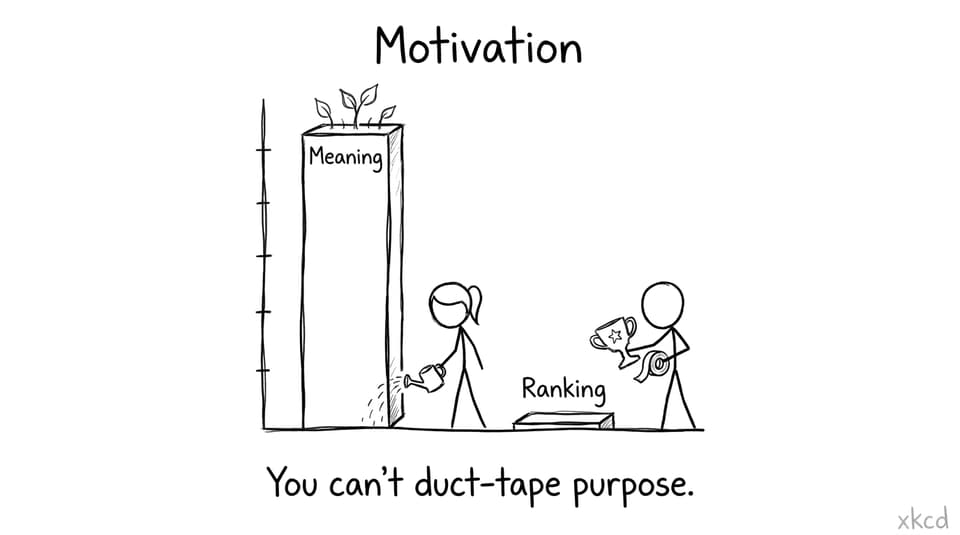
A university name is a label. Your skills are the asset. The IB is excellent at building assets if you actually use the feedback loops.
RevisionDojo helps here because it’s not just content. It’s iteration: Questionbank practice, AI Chat support when you’re stuck, and grading-style feedback that turns “effort” into “improvement.”
Make peace with “not maximizing”
There’s a strange pressure in the IB culture: if you could do something, you must do it. But life is long. Sometimes you choose the good option because it fits, not because it impresses.
And you can still be ambitious. You’re just being ambitious about the right metric: learning, stability, and direction.
What to avoid (because it quietly destroys motivation)
-
Treating IB as “wasted” if it doesn’t lead to prestige
-
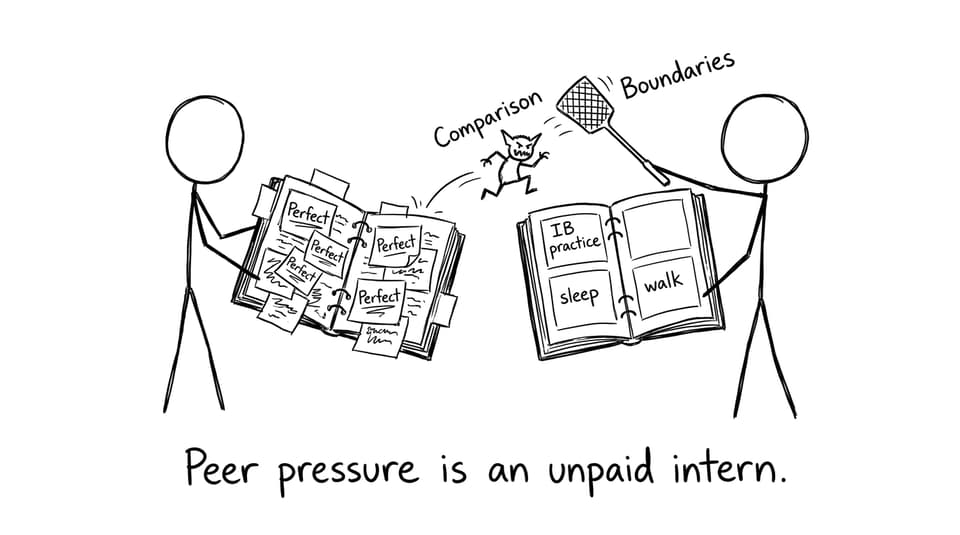
Comparing your path to classmates who speak louder about rankings
-
Using guilt as a study strategy (it works briefly, then collapses)
-
Making revision symbolic (“study all day”) instead of effective (“fix weak topics”)
If exam nerves are high, a calmer approach often raises performance. Keep a simple routine and use resources like What to Do the Night Before IB Exams and 10 Proven Study Techniques for IB Students.
Closing: finish IB strong, for the life you actually want
If you’re not aiming for a top university, you don’t need to apologize. You need a plan. The IB rewards clarity: clear goals, clear study loops, and clear feedback.
RevisionDojo is built for that finish. Use the Questionbank to target weaknesses, Study Notes to tighten understanding, Flashcards to keep recall sharp, AI Chat and grading tools to get unstuck fast, Predicted Papers and Mock Exams to rehearse under pressure, the Coursework Library to reduce background stress, and Tutors when you need a human to spot what you can’t.
Aim for the future that fits. Then use IB revision to earn it.