A business rarely becomes more profitable in one dramatic moment. It usually happens quietly: a small price change that sticks, a process tweak that saves minutes, a product that earns more per sale than the one it replaced.
That story matters in IB Business Management, because exam questions love the realistic version of profit: trade-offs, constraints, and decisions that improve results over time.
The core idea: profit rises in two directions
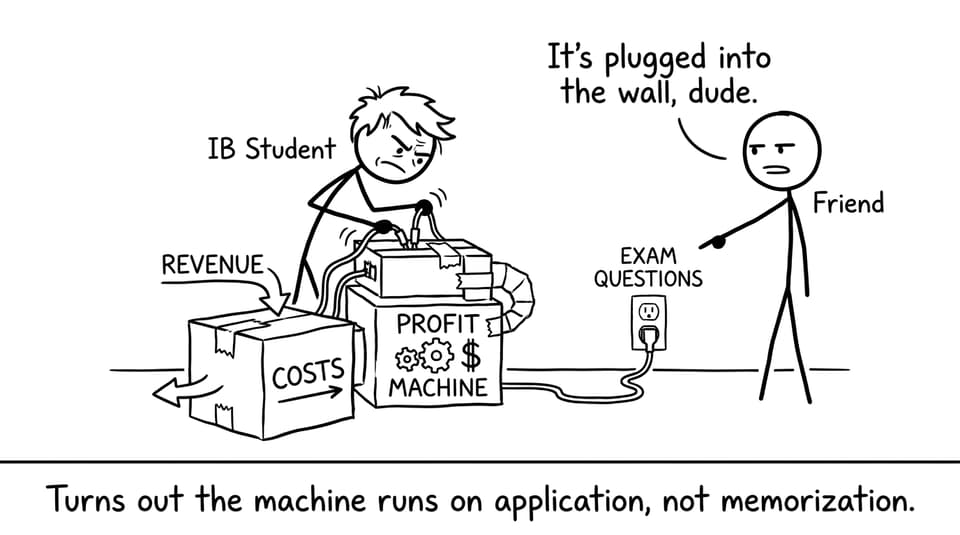
In IB Business Management, businesses increase profit by:
-
Raising revenue (selling more, or earning more per sale)
-
Reducing costs (lowering cost per unit or cutting overheads)
-
Doing both through smarter operations and strategy
A strong answer links the method to likely impacts on gross profit margin, profit margin, or ROCE (and mentions risks).
For quick syllabus-aligned support, start with IB Business Management Resources and keep the Business Management Data Booklet open while you practice.
Revenue strategies that actually improve profit
Revenue growth sounds easy: “sell more.” But IB Business Management expects you to explain how.
Strengthen the marketing and product offer
Businesses can increase revenue by improving their product (quality, features, service) or by reaching new segments. This is where differentiation can justify a higher price and stronger loyalty.
If you need a strategy lens, use Porter’s generic strategies notes to frame cost leadership vs differentiation.
Improve pricing decisions
Pricing is one of the fastest levers, but also the easiest to mishandle. A small rise might boost profit if demand is inelastic; it might backfire if competitors and customers push back.
Pair exam examples with How businesses choose pricing strategy and link it to cost and contribution thinking from Costs and revenues.
Cost reduction: the “invisible” profit strategy
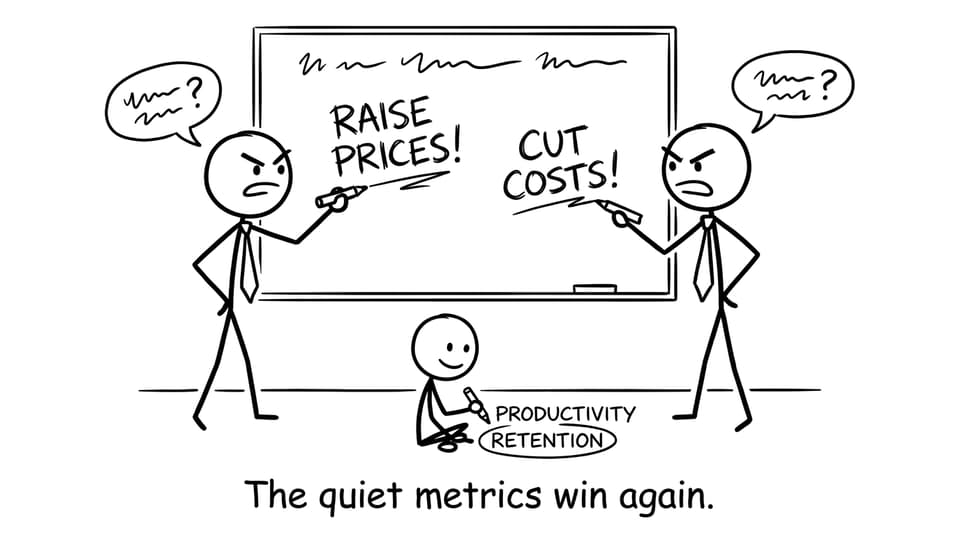
Cutting costs increases profit even if revenue stays flat. In IB Business Management, mention practical routes:
-
Negotiating with suppliers and bulk purchasing
-
Cutting waste and defects
-
Automating repetitive tasks
-
Reducing unnecessary overheads
Lean methods are a clean way to show depth. Use Methods of lean production notes and Features of lean production notes to add terms like JIT, kaizen, and quality circles.
Productivity and product mix: where exam answers get top marks
Higher productivity means more output per unit of input, lowering unit cost and improving competitiveness. It often comes from training, improved workflows, or better equipment.
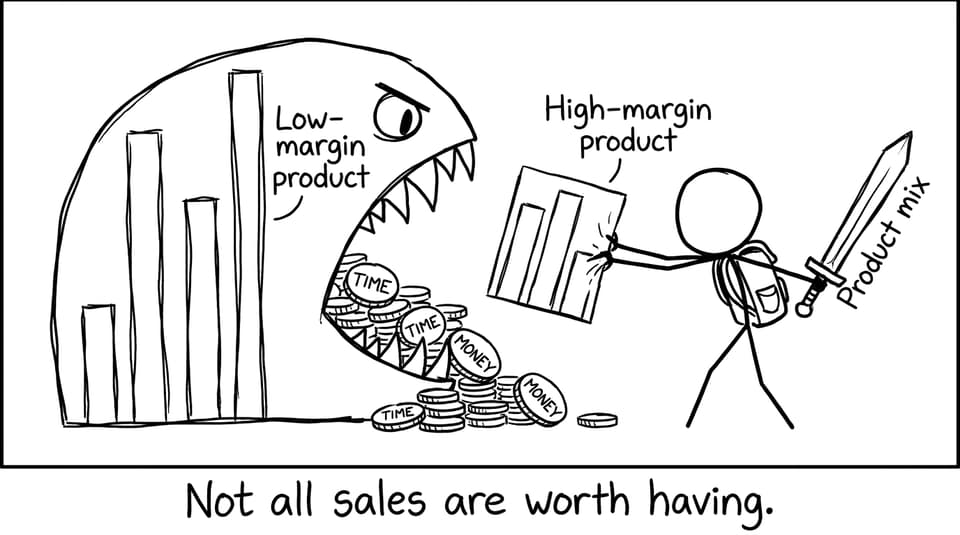
Also, businesses can raise profit by shifting toward higher-margin products and dropping low-margin lines. That’s product mix, and it’s a classic Paper 2 style evaluation point.
To make your analysis quantitative, revise ratios using Profitability and liquidity ratio analysis and go deeper with Strategies to improve profitability ratios notes.
Quick exam checklist (IB Business Management)
Before you finish a paragraph, check you included:
-
A clear profit route: revenue up, costs down, or both
-
A linked ratio (gross profit margin, profit margin, ROCE)
-
One risk or limitation (competition, quality, staff morale, brand damage)
-
A realistic recommendation based on context
Final thought: practice profit like the IB tests it
Profit strategies only score highly when you apply them to a situation, use the right vocabulary, and evaluate consequences. That’s exactly what RevisionDojo is built for: drill this topic with the Questionbank, lock in key terms with Flashcards, review Study Notes, and refine longer responses with AI Chat and Grading tools. When you’re ready to simulate exam pressure, use Predicted Papers and Mock Exams, and if you want targeted help, explore the Tutors and Coursework Library.
If you’re studying IB Business Management, pick one strategy (pricing, lean operations, or product mix) and practice writing a full recommendation today using RevisionDojo’s resources, and your future self will feel the difference.

