
The quiet reason your DNA survives the school day
A single cell holds a long, delicate molecule that can be nicked by radiation, oxidants, and ordinary chemical reactions. Yet most days, your DNA makes it through just fine. The trick is not just “DNA repair” (though that matters) but how the DNA is stored in the first place. For IB Biology students, chromosome structure is one of those topics that seems like tidy diagrams until you realize it’s basically the cell’s safety engineering.
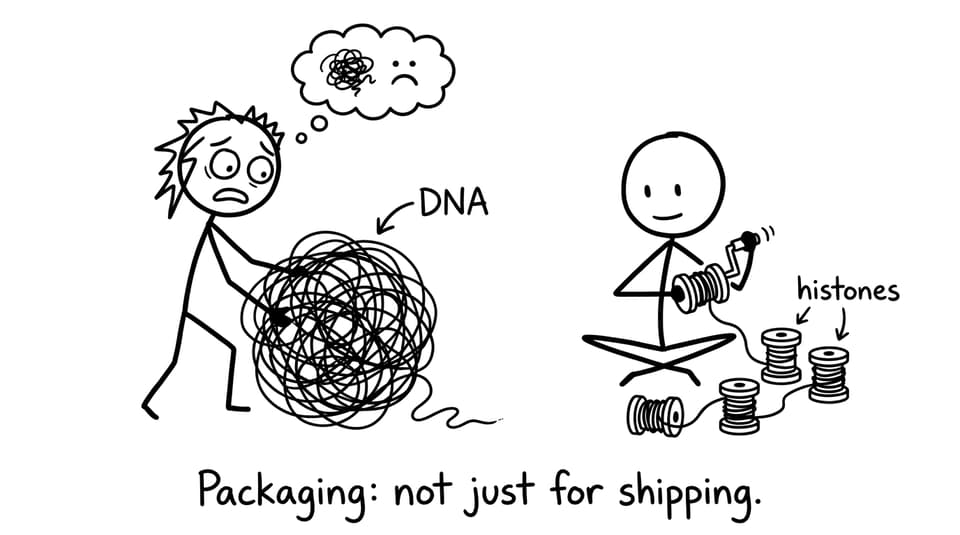
Chromosomes protect DNA through layered organization: packaging, controlled accessibility, protected ends, stable movement during division, and smart layout inside the nucleus. Once you see those layers, exam questions start feeling less like memorization and more like logic.
Quick checklist: the five protection layers
-
Histones + nucleosomes reduce exposure and tangling
-
Heterochromatin vs euchromatin balances protection with access
-
Telomeres hide chromosome ends from “break” alarms
-
Centromeres + cohesin/condensin prevent mechanical damage in division
-
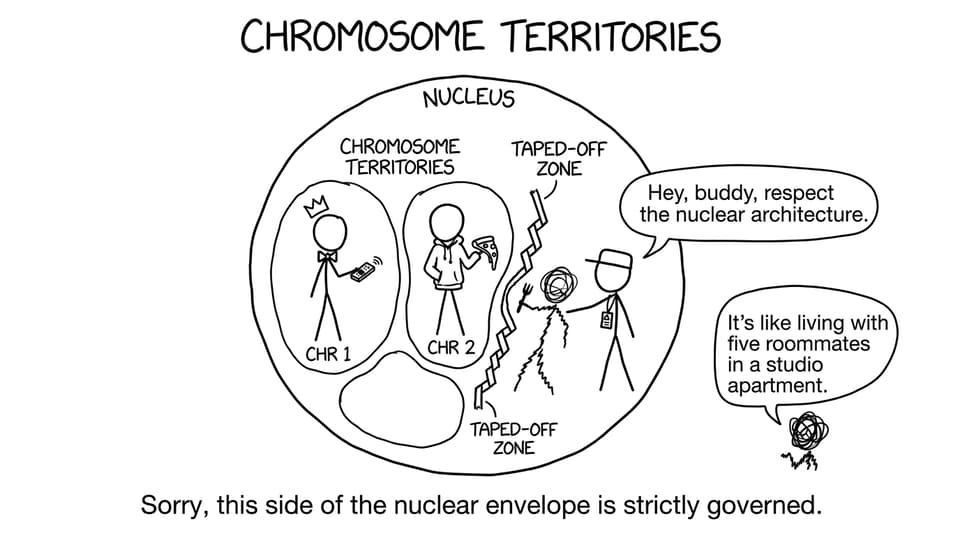
Nuclear organization (territories) reduces risky chromosome interactions
To anchor this in your syllabus, revise chromosomes and condensation alongside chromatin structure: 3.2 Chromosomes Notes and Structure of a Nucleosome (HL).
Histones and nucleosomes: the first shield
In IB Biology, packaging is never just “to fit in the nucleus.” Wrapping DNA around histones forms nucleosomes, which reduces the DNA’s surface area exposed to damaging agents and helps prevent tangling and shear stress. Think of loose DNA like an unspooled thread: easy to snag, easy to snap.
This also sets up controlled access. If the cell needs transcription or replication, it can loosen chromatin locally; otherwise, it keeps regions safely compact. For a clean explanation of accessibility, see How Chromatin Packing Controls Gene Expression and D2.2 Gene Expression (HL) Notes.
Euchromatin vs heterochromatin: protecting what you don’t need
Euchromatin is loosely packed and accessible, which is useful but risky: open DNA is more exposed to damage. Heterochromatin is tightly packed and often found in repetitive or structural regions, which makes it a protective “storage mode.”
This is why chromatin state matters in IB Biology answers: you can explain that cells trade off accessibility (for gene expression) against protection (against damage). Epigenetic tags help tune this packing; revise that link with D2.2.4 Epigenesis Notes.
Telomeres: the protective caps that stop false alarms
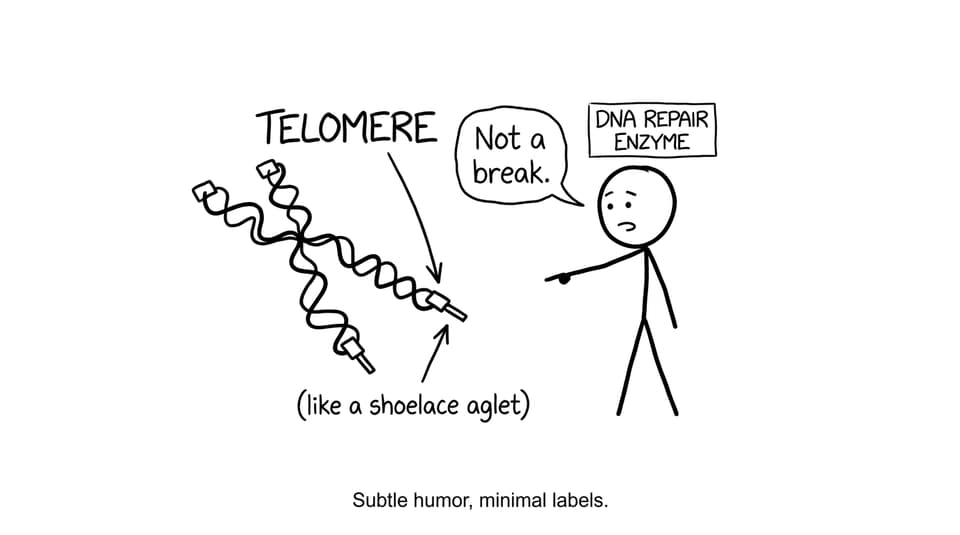
Chromosome ends look like broken DNA. That’s a problem because DNA damage sensors would try to “repair” the ends, causing fusions or degradation. Telomeres (repeating sequences at chromosome tips) act like protective caps that signal, “This is an end, not a break.”
In exam language: telomeres maintain chromosome stability and reduce end-to-end fusion risk. If telomeres shorten too far, cells may enter senescence or apoptosis because chromosome ends become unsafe.
Centromeres, cohesin, and condensin: safety gear for cell division
Division is physically rough on DNA. Chromosomes must condense, attach to the spindle, and separate cleanly. The centromere provides a specialized region for kinetochore formation and spindle attachment, lowering mis-segregation and breakage.
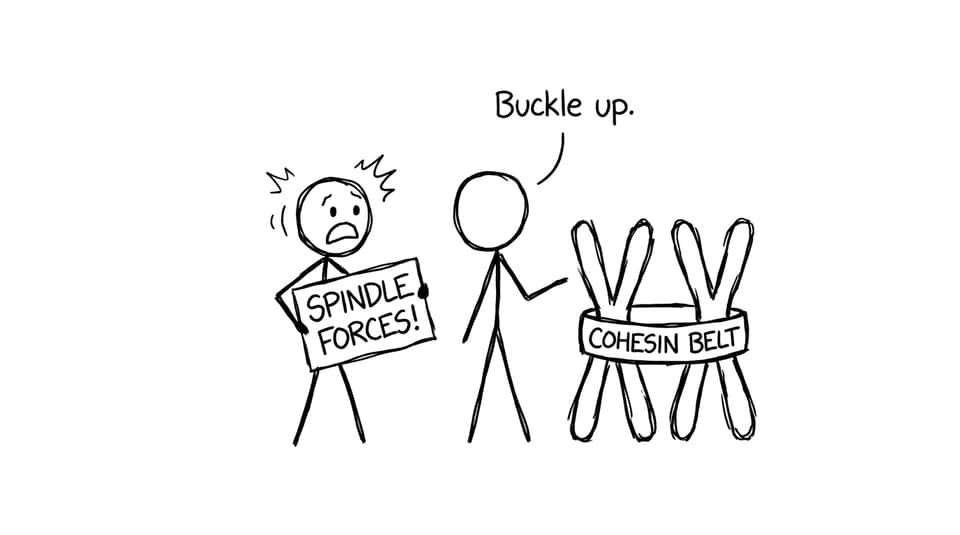
Cohesin holds sister chromatids together until the correct moment; condensin compacts chromosomes so they can be moved without snapping. Tie this to movement and condensation with D2.1.6 Condensation and Movement of Chromosomes.
How to turn this into marks (and use RevisionDojo)
A strong IB Biology response connects structure to function: packaging reduces exposure; heterochromatin protects inactive regions; telomeres prevent end-fusion; centromeres/cohesin/condensin prevent mechanical damage; nuclear territories reduce harmful interactions.
To practise writing that clearly under time pressure, use RevisionDojo’s IB Biology Resources and the Cell Biology Questionbank. If you want targeted genetics background, pair it with 3.1 Genes Notes and the broader roadmap in What is IB Biology: Complete Guide.
Conclusion: structure is a form of protection
DNA damage isn’t only a crisis to repair; it’s a risk to prevent. Chromosome structure prevents damage by keeping DNA wrapped, capped, compacted, and sensibly arranged inside the nucleus. If you can explain those layers clearly, you’re already thinking like an examiner wants you to think in IB Biology.
When you’re ready to turn understanding into exam performance, RevisionDojo brings everything together: Study Notes, Flashcards, AI Chat, Grading tools, Predicted Papers, Mock Exams, a Coursework Library, Tutors, and a powerful Questionbank built for real IB-style practice.