




When people talk about the IB, they often describe it like a tunnel: enter, disappear for two years, re-emerge with a diploma and a thousand-yard stare.
But that story is usually told by someone who tried to brute-force the IB with longer hours instead of better structure. And the funny thing about brute force is that it works right up until it doesn’t--until your motivation collapses, your focus fragments, and even your “free time” feels guilty.
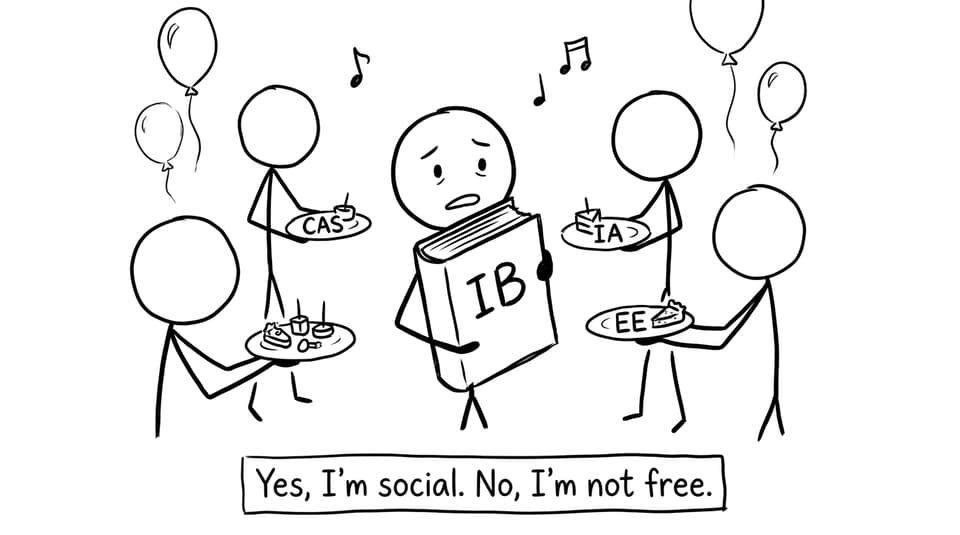
Staying social and succeeding in the IB is not a personality trait. It’s a system. One that protects friendships without sacrificing exam performance.
The IB social balance checklist (save this)
If you want the simplest way to stay social in IB exam season, start here:
-
Pick two weekly anchors: one social (friends/family) and one physical (sport/walk/gym)
-
Study in time boxes (25--50 minutes), not open-ended marathons
-
Use active recall: Flashcards + exam-style questions
-
Put boundaries around “infinite tasks” (EE, IAs, TOK)
-
Protect sleep like it’s part of the IB curriculum
For a more structured routine, borrow a template from How to Create a Balanced IB Study Schedule.
Why social time actually helps IB grades
Social time isn’t just “rest.” It’s often the moment your brain consolidates what you learned during IB revision. The best students don’t win by studying every minute; they win by keeping their studying repeatable.
A predictable social life also reduces decision fatigue. When you already know you’ll see friends on Friday, you’re less likely to “reward-scroll” for two hours on a Tuesday because you feel deprived.
If you’re worried you’re falling behind, build a calm plan first using How to Study for IB Exams: Step-by-Step Guide. Structure makes social time feel earned instead of reckless.
Schedule social like a deadline (because it is)
Here’s the uncomfortable truth: in IB, anything unscheduled gets eaten by something louder. So treat social time like an appointment.
Try this simple weekday pattern:
-
60--90 min focused revision
-
Dinner or a walk with friends/family
-
20--30 min quick recall (Flashcards)
If you want a ready-made day plan, use The Ultimate Daily IB Study Schedule. The point isn’t perfection--it’s removing the daily “When should I study?” debate.
Make studying social without letting it drift
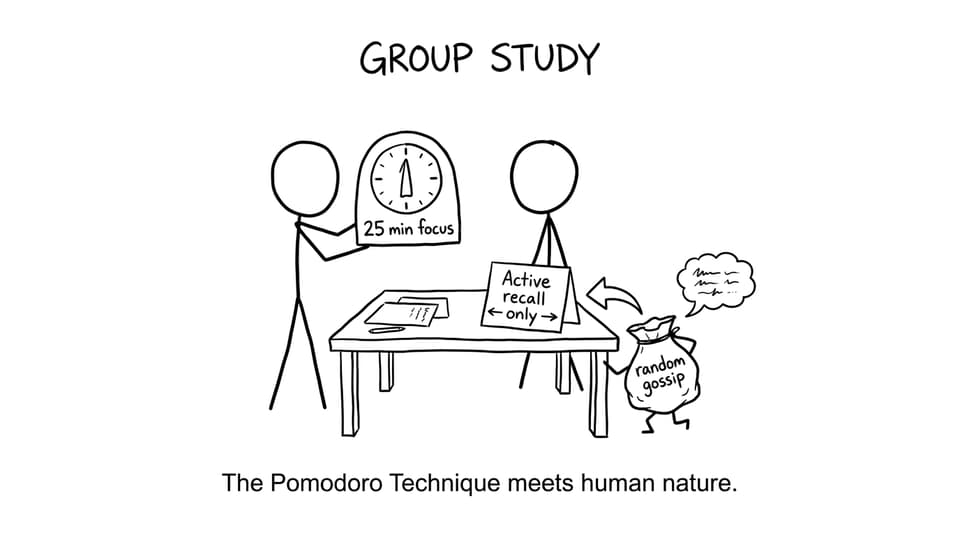
Studying with friends can be brilliant for IB exam prep, but only if you design it like a session, not a hangout.
A good “social study” rule is this: talk is allowed if it produces answers.
Use this structure:
-
5 minutes: agree on what you’ll finish
-
25 minutes: silent work (timer on)
-
10 minutes: quiz each other (active recall)
-
5 minutes: decide the next session
For tactics that keep group sessions sharp, pull ideas from 10 Proven Study Techniques for IB Students.
Set boundaries for the big IB commitments (EE, IAs, CAS)
The IB doesn’t only test what you know. It tests whether you can manage tasks that never feel “done.” That’s where social life usually gets sacrificed.
Fix it by creating “office hours” for coursework:
-
2--3 fixed windows per week for EE/IA/TOK
-
Outside those windows, you’re in exam mode or rest mode
If burnout is already creeping in, read Avoid Burnout in Year 2 of IB: 8 Proven Strategies and pick one recovery habit you’ll defend.
Use RevisionDojo to study faster (and get your evenings back)
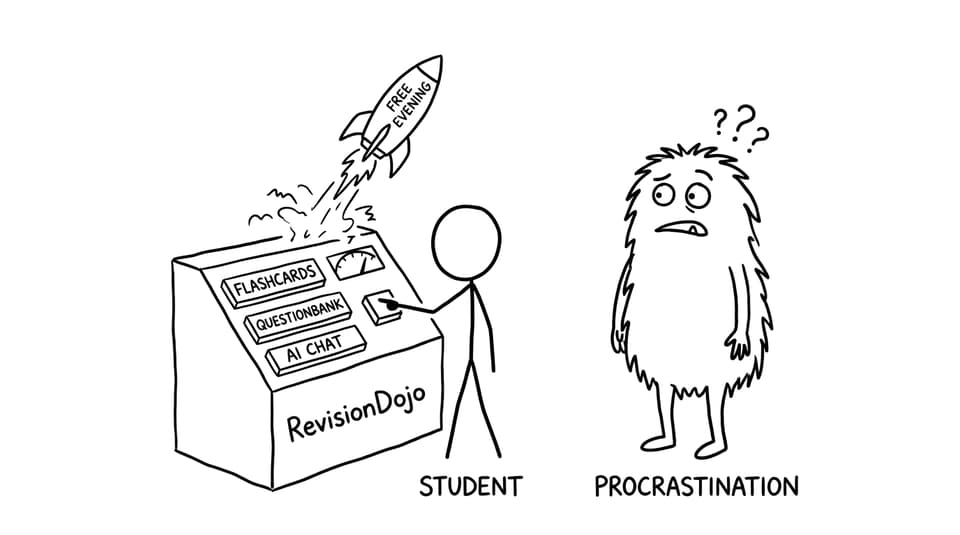
The real reason social time collapses in IB is inefficiency: rereading notes, rewriting summaries, and doing “revision” that doesn’t change your score.
RevisionDojo is built for high-yield work:
-
Study Notes to get clear fast
-
Flashcards for daily recall that fits into busy days
-
Questionbank for exam-style practice by topic
-
AI Chat for instant explanations when you’re stuck
-
Grading tools to turn vague drafts into specific improvements
-
Predicted Papers and Mock Exams to train timing and confidence
-
Coursework Library to reduce uncertainty on written tasks
-
Tutors when you need a human to diagnose patterns quickly
If you want the mindset behind this approach, read IB Exams Without Pausing Your Life and borrow the “two anchors” method.
Conclusion: The IB isn’t won by isolation
If you want to succeed in the IB, don’t aim to become a robot. Aim to become consistent. Schedule your social anchors, study in focused blocks, and use tools that turn effort into marks.
When you’re ready to reclaim time without lowering standards, build your routine with RevisionDojo’s Questionbank, Study Notes, Flashcards, AI Chat, and realistic Mock Exams and Predicted Papers. Your future self will thank you--and your friends will still recognize you.