


Feedback Strategies That Build Confidence and Growth in the MYP
The first time most students hear feedback in the MYP, it lands like a verdict.
A few words in the margin. A number on a rubric. A quick comment like “develop this more.” And suddenly your brain turns it into a story about you: I’m not good at this.
But the truth is quieter and far more useful: in the MYP, feedback isn’t a label. It’s a map. When it’s timely, specific, and tied to the criteria, it tells you exactly what to do next -- which is the fastest route to confidence when exams feel close.
If you’re an IB student preparing for exams, the skill you’re really building now is not “never getting things wrong.” It’s learning to turn MYP feedback into repeatable improvement.
Quick checklist: high-impact MYP feedback you can actually use
Use this before you start rewriting anything:
-
Ask: “Which MYP criterion is this feedback about?”
-
Translate comments into one concrete action (add, remove, explain, compare, justify).
-
Fix the highest-mark issue first (usually clarity, evidence, or evaluation).
-
Do a second attempt quickly (same day or next day).
-
Log one “rule” you learned so you don’t repeat the mistake.
If you want a bigger picture of how to revise with feedback loops, keep MYP Revision Guide: Study Tips for Success nearby.
Why feedback matters so much in the MYP (especially near exams)
The MYP is built around assessment for learning. That sounds like a slogan until you notice something practical: the programme’s criteria are designed to show how quality is built, not just whether you got something “right.”
That means good MYP feedback does three jobs at once:
-
It clarifies what success looks like (using criteria language).
-
It tells you what to change next (actionable steps).
-
It protects your confidence by separating performance from identity.
If you’ve ever wondered why MYP grading feels different, it helps to review how the criteria system works in How Are IB MYP Students Graded? Criteria Explained.
The best MYP feedback is specific, not motivational
Motivation matters, but vague encouragement rarely changes your next draft.
In the MYP, the most confidence-building feedback is the kind that reduces uncertainty. Compare these two:
-
“Good work, add more detail.”
-
“Criterion A: add one piece of evidence in paragraph two, then explain how it supports your claim in one sentence.”
The second version is calmer because it’s executable. You don’t need to “feel smarter” to do it. You just do it.
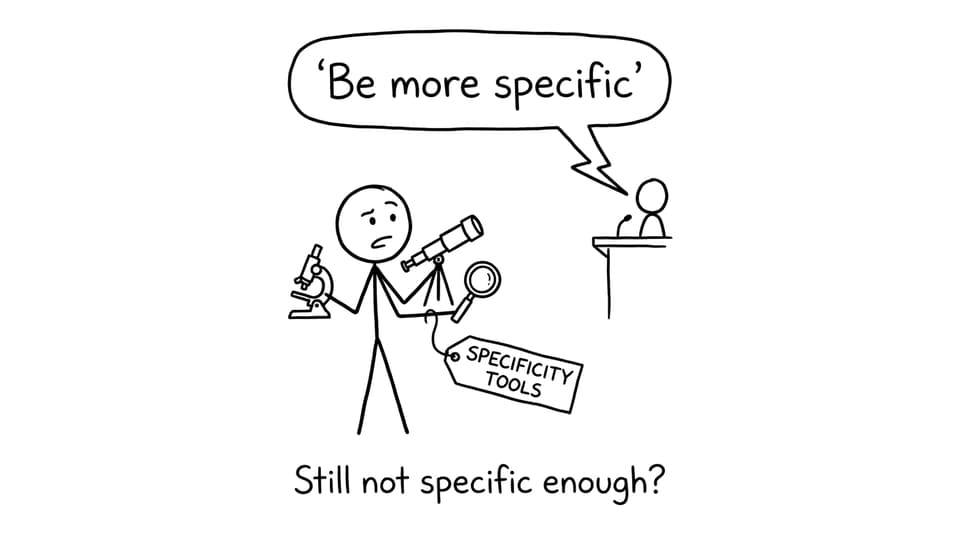
When your feedback is too broad, create specificity yourself:
-
Circle the exact sentence/step the comment refers to.
-
Ask what would be measurable: one definition, one data point, one example, one counterargument.
-
Rewrite the comment as a command: “Add X,” “Explain Y,” “Evaluate Z.”
For more on keeping feedback tied to learning (not guessing), see Making Formative Assessment Meaningful in IB Contexts.
Use the MYP criteria as your feedback translator
A smart MYP habit is to treat criteria as a translation tool. When you get feedback, immediately connect it to what the rubric actually rewards.
Here’s a simple way to do it:
-
Find the criterion (A, B, C, or D).
-
Find the descriptor phrase that matches the comment.
-
Choose one upgrade move (add evidence, deepen explanation, improve structure, refine evaluation).
This becomes much easier once you’re fluent in criteria language. Start with:
When you read your teacher’s note through the criteria, it stops feeling personal. It becomes technical. And technical problems have solutions.
Turn MYP feedback into a dialogue (so it actually sticks)
Most students treat feedback like a document: read it once, feel something, move on. The MYP works better when feedback becomes a loop.
Try this three-step “reply system” after every task:
-
Receipt: write one sentence: “The main issue is ___.”
-
Response: write one sentence: “Next time I will ___.”
-
Repair: redo one small section to prove you can.
That last part is what builds confidence. Not the compliment. Not the grade. The proof.
If you like structured systems, RevisionDojo is built around this loop: practise, get feedback, reflect, try again. You can use the Questionbank for targeted practice, Study Notes to rebuild understanding fast, and AI Chat to clarify what a comment is really asking you to do.
Feedback strategies that build confidence in the MYP
Start with strengths, but name the skill
In the MYP, “good job” is pleasant but forgettable. A strength becomes useful when it’s linked to a skill:
-
“Your conclusion clearly links back to the question (communication).”
-
“Your method is controlled and replicable (scientific thinking).”
When you know what you did right, you can repeat it under exam pressure.
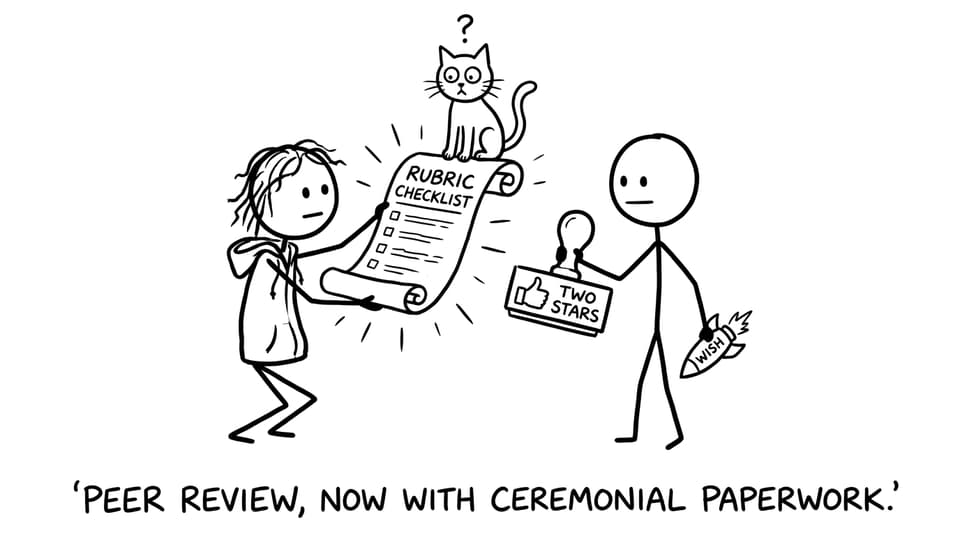
Use “Two stars and a wish” (but make the wish measurable)
This classic MYP structure works because it keeps your nervous system steady.
-
Two stars: two specific things done well.
-
One wish: one specific improvement that can be checked.
A measurable wish sounds like: “Add one comparison and explain why it matters.” Not: “Be more analytical.”
Praise effort, but coach the strategy
Confidence grows when you learn that improvement is controllable.
So instead of interpreting feedback as “I’m bad at essays,” train your brain to hear “My evidence step is weak.” That is a fixable problem.
Build peer feedback with training wheels
Peer feedback in the MYP can be brilliant or useless, depending on structure.
Give your partner only three jobs:
-
Identify which criterion seems strongest.
-
Point to one exact sentence/step that earns marks.
-
Suggest one specific upgrade.
This keeps peer feedback from turning into opinion.
Use digital feedback to speed up the loop
Voice notes, rubrics, and annotated comments are powerful because they reduce misinterpretation.
If you’re studying at home, you can recreate that speed by using RevisionDojo’s Grading tools to get rubric-aligned guidance on your writing, then use Flashcards to memorise the recurring “fix rules” you discover.
How RevisionDojo helps you act on MYP feedback (not just read it)
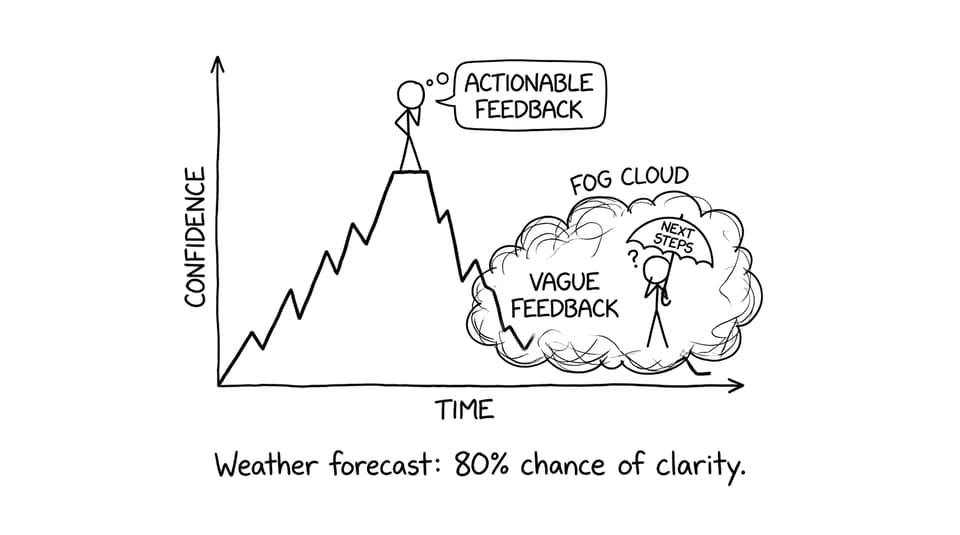
Most exam stress comes from not knowing what to do next.
RevisionDojo is designed to make “next steps” obvious:
-
Questionbank to practise the exact skills feedback mentions.
-
Study Notes to patch understanding without rereading everything.
-
Flashcards to lock in definitions, command terms, and common fix-rules.
-
AI Chat to translate confusing comments into actionable steps.
-
Grading tools for criteria-based feedback on written responses.
-
Predicted Papers and Mock Exams to rehearse pressure and timing (where available).
-
Coursework Library to compare your work to strong examples.
-
Tutors when you need a human to diagnose a pattern quickly.
If you want the platform overview, see Middle Years Program (MYP) and browse more articles in All #MYP Posts.
Closing: make MYP feedback your unfair advantage
In the MYP, confidence isn’t something you wait to feel. It’s something you build by running the same loop again and again: attempt, feedback, adjustment, retry.
If you want that loop to feel simpler, faster, and more objective, use RevisionDojo to connect your MYP feedback to practice: hit weak spots with the Questionbank, rebuild clarity with Study Notes, lock in improvements with Flashcards, and use AI Chat and Grading tools to translate comments into next steps. Then rehearse the pressure with Mock Exams and Predicted Papers (where available).
Your future self doesn’t need perfect work today.
Your future self needs a system that turns feedback into growth -- every time.