



Independent learning in the IB is supposed to feel like freedom.
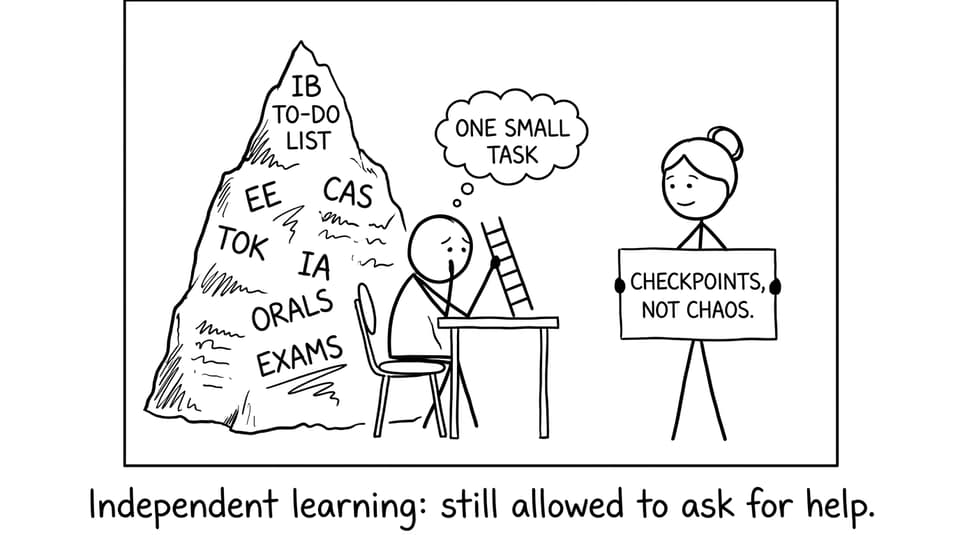
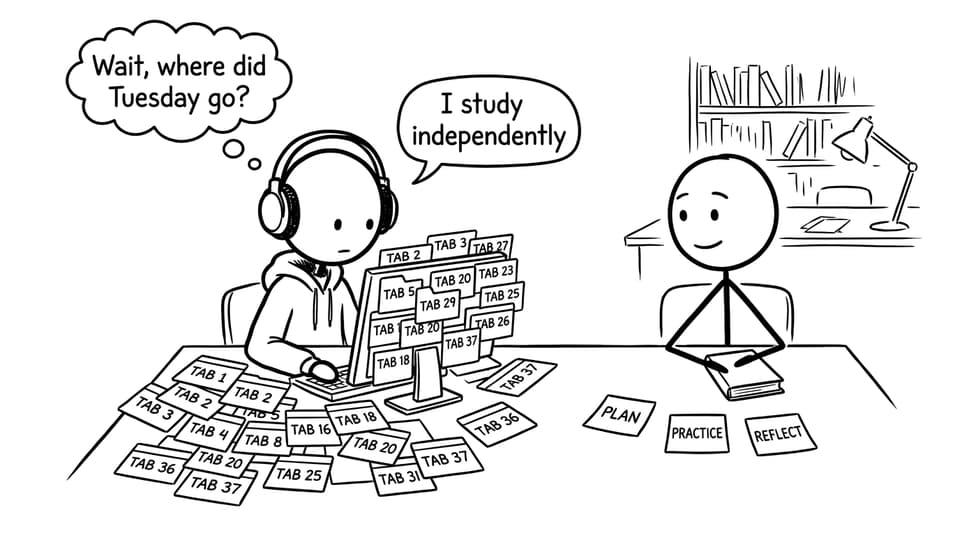
But most students discover a quieter truth: the moment you’re told to be “independent,” your workload doesn’t shrink. It spreads. Notes multiply. Tabs breed. Every subject feels urgent, and somehow it’s always your fault if you’re behind.
The problem isn’t that independent learning is bad for IB exam prep. It’s that independence without structure turns into overload. And overload doesn’t look dramatic at first. It looks like making plans you can’t keep, rewriting notes you’ll never reread, and postponing practice because you’re “not ready yet.”
This guide is about building IB independence that actually works: clear boundaries, small feedback loops, and a rhythm you can repeat even on tired weeks.
Quick checklist: independent learning that doesn’t overload you
Use this as your weekly reset. If you can tick most of these, your IB independent learning is on track:
-
You have one plan (not five), written in one place.
-
You study in short, timed blocks (not endless sessions).
-
You do practice questions every week in every exam subject.
-
You review mistakes with a simple system (tag, fix, repeat).
-
You have at least one checkpoint: teacher, friend, tutor, or an AI tool.
-
You protect sleep as if it were part of the IB syllabus.
If you’re missing more than two, don’t panic. You’re not behind, you’re just unstructured.
What “independent” really means in IB
In the IB, independent learning does not mean “do everything alone.” It means you can:
-
Choose the next best task without being told
-
Notice what’s not working and adjust
-
Ask for help early and specifically
-
Keep your effort proportional to the marks
That last one matters most. The overloaded IB student usually isn’t lazy. They’re ambitious in the wrong direction. They spend 90 minutes polishing something worth 4 marks, then skip the 12-mark question because it feels uncomfortable.
A simple reframe helps: independent learning is the skill of steering, not the obligation of carrying.
Build a framework: freedom needs guardrails
The calmest IB students I’ve seen aren’t doing more. They’re doing fewer things on purpose.
Use the “one page plan” rule
Your plan should fit on one page (or one screen). If you need three apps and a color-coded system, you’re planning to avoid the discomfort of starting.
Try this weekly layout:
-
3 topics to understand (Notes)
-
3 topics to recall (Flashcards)
-
3 sets to apply (Questionbank)
-
1 timed session to simulate pressure (Mock Exams or Predicted Papers)
RevisionDojo is built around that loop, which is why many students start by anchoring their week with Study Notes and then move straight into Questionbank practice while the topic is still warm.
Keep sessions small enough to repeat
Overload often begins with unrealistic sessions: “I’ll revise Chemistry for four hours after school.”
A repeatable session is more powerful than an impressive one. In IB prep, consistency wins because your brain trusts what it sees often.
Aim for:
-
20 minutes notes
-
15 minutes recall
-
25 minutes practice
-
10 minutes review
That’s independent learning you can actually live with.
Use checkpoints to prevent last-minute panic
The best anti-overload tool is a checkpoint that arrives before things get serious.
A checkpoint can be:
-
a weekly teacher question
-
a 20-minute peer swap of answers
-
a short tutoring session
-
AI feedback on a response you wrote quickly
On RevisionDojo, many students use Jojo AI Chat as a micro-checkpoint: ask one precise question, then return to practice instead of spiraling. If you want an overview of building that system, RevisionDojo App: The Smarter Way to Prep for IB Exams lays out a clean workflow.
For teachers and departments building consistent structures, RevisionDojo for Schools is designed to coordinate practice, feedback, and progress without adding admin weight.
The “learn less, test more” principle (without feeling reckless)
Most IB overload is caused by treating understanding as the finish line.
Understanding is necessary, but the exam rewards performance: command terms, structure, timing, and accuracy under pressure.
A practical rhythm:
-
Read one short section from Digital IB Study Notes: Access Anywhere, Anytime
-
Turn it into 5 flashcards
-
Do 6-10 exam-style questions
-
Review what went wrong
This is how independence stays light: you’re always converting learning into output.
If you want a burnout-safe approach to this, keep How to Study for IB Exams Without Burning Out bookmarked and revisit it when your plan starts inflating.
Collaboration is not cheating your independence
A strange myth in the IB is that needing people means you’re not an independent learner.
Real independence includes choosing collaboration strategically:
-
Teach a topic for 6 minutes to a friend
-
Swap one timed response and mark it together
-
Build a shared list of common mistakes
Collaboration reduces overload because it adds reality. It forces you out of private confusion and into explainable steps.
RevisionDojo’s ecosystem supports this kind of shared momentum: topic-based notes, targeted practice, and feedback tools that make it easier to discuss the same standard. If you’re exploring broader platform use, RevisionDojo for IB shows how the parts connect.
Boundaries: the hidden skill behind IB independence
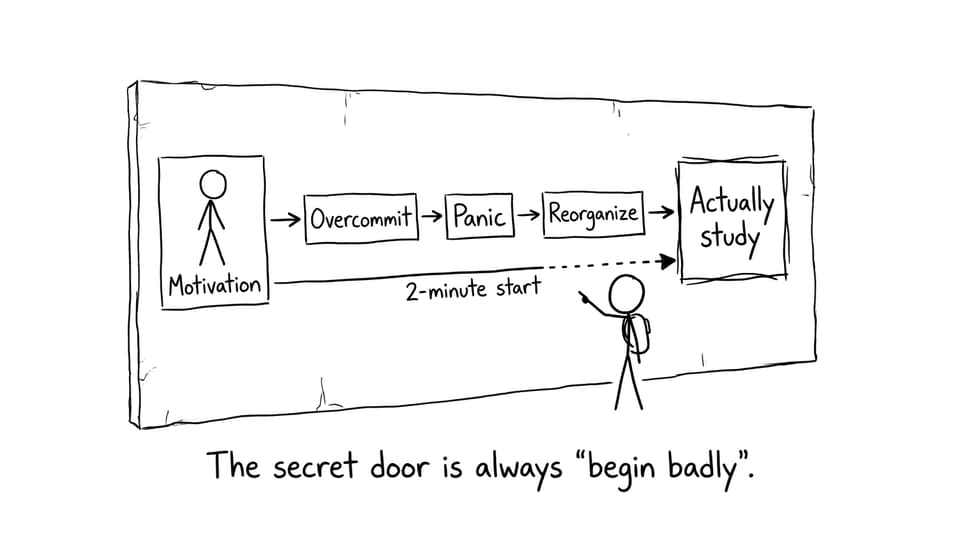
Here’s the uncomfortable truth: if you wait to feel caught up before you rest, you will never rest.
Healthy IB independent learning needs boundaries you defend:
-
A latest finish time on school nights
-
One low-effort day each week
-
A rule that you stop revising a task when the marks stop increasing
A great test is this: does your system make you feel more capable next week, or just more tired? If it’s the second, it’s overload disguised as discipline.
Closing: IB independence is a system, not a personality
Independent learning in the IB isn’t something you either “have” or “don’t.” It’s a system you build when you’re calm, so it still works when you’re stressed.
Keep it small. Add checkpoints. Turn learning into practice. Protect your boundaries like they’re assessed.
If you want one place to run that whole loop, RevisionDojo brings together Study Notes, Flashcards, Questionbank, AI Chat, Grading tools, Predicted Papers, Mock Exams, Coursework Library, and Tutors so your IB prep stays independent without becoming isolating or overwhelming. Start with a single topic, a single timed set, and let the system do what motivation can’t: carry you forward.