
When you’re deep in IB season, it’s easy to feel like every choice is a permanent label. One course title, one subject combo, one odd-sounding option on your transcript… and suddenly you’re imagining an admissions reader raising an eyebrow.
That’s why the question keeps coming up: do universities accept IB English A: Literature and Performance? If you’re taking this course (or considering it), you’re really asking something more human: Will this be understood? Will it count? Will it help me, or complicate things?
In almost all cases, universities that recognise the IB recognise IB English in its different forms, including Literature and Performance. The smarter question is how to present it confidently, and how to make sure it supports your goals.
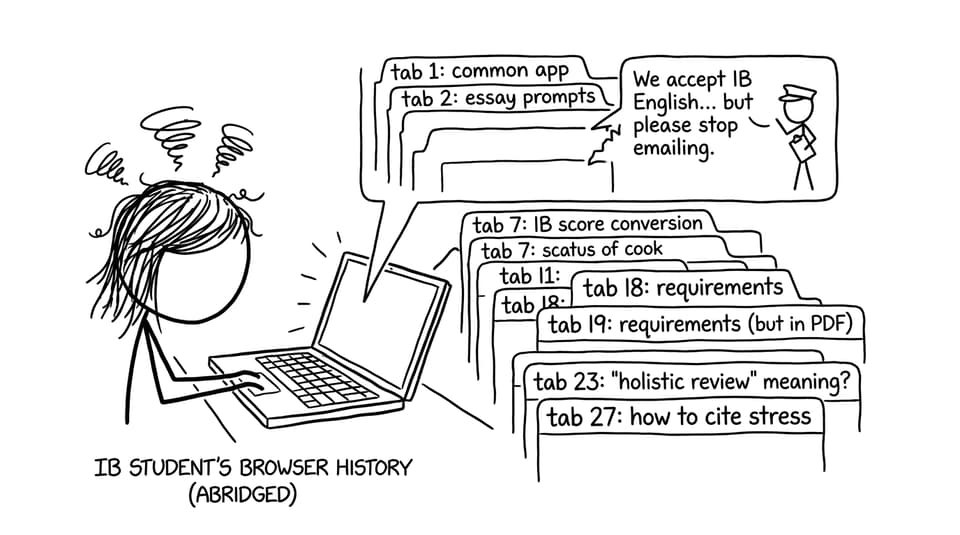
Quick answer checklist for IB English students
Use this quick checklist before you spiral into another requirements PDF:
-
Universities generally accept the IB Diploma and its English A offerings, including this course.
-
Admissions teams care most about level (SL/HL), overall grades, and whether you meet language requirements.
-
Some programs have preferences (for example, courses heavy on literary analysis), but performance is usually seen as an advantage, not a liability.
-
If you’re unsure, email admissions with one clean question and your subject list.
-
Back your course with strong outcomes: IO preparation, analytical writing, and clear evidence you can succeed in academic reading and argument.
For targeted support across tasks (Paper 1, Paper 2, IO, HL Essay), use the RevisionDojo IB English hubs: IB English A: Literature resources and IB English A: Language & Literature resources.
What makes IB English A: Literature and Performance different?
Most students can describe traditional IB English as “we read, we analyse, we write essays.” Literature and Performance adds a second layer: you explore how meaning changes when text becomes voice, movement, timing, silence, and audience.
It’s still academically serious. You still do close reading, argument, and structured analysis. But you also learn what universities quietly love: how to communicate ideas when the room is real and the stakes are felt.
If you want a clearer breakdown of what the course includes, start here: What is English A: Literature and Performance?

Do universities accept IB English A: Literature and Performance?
In general, yes. Universities worldwide that recognise the IB treat English A courses as legitimate, rigorous preparation for degree-level study.
The main reasons IB English (including Literature and Performance) is typically accepted:
The IB brand signals rigor
Admissions readers know what the IB demands: sustained reading, long-term assessment, time-pressured exams, and externally moderated standards. Even when they don’t know every niche course title, they recognise the ecosystem.
The skill set maps to university success
The course builds the exact skills universities recruit for:
-
Critical interpretation (what the text is doing, not just what it says)
-
Clear academic writing under constraints
-
Oral communication and intellectual presence
-
Reflection, self-editing, and revision habits
And if your goal is highly selective universities, it’s worth reading: Can I get into an Ivy League with IB English A: Literature and Performance?
The performance element rarely “counts against you”
Some students worry performance sounds less academic. But universities usually read it as interdisciplinary strength: literature + theatre + communication. It can even stand out in competitive applicant pools, especially if your personal statement or activities connect to it.
For an example of how the course uses creativity as analysis (not a distraction), see: Role of creative writing in IB English A: Literature and Performance
How to make your IB English course choice work for admissions
Universities accept IB English, but you still want the admissions reader to understand the value quickly. Here are practical ways to do that.
Use your application to translate the course title
In course descriptions, interviews, or short-answer sections, explain it plainly:
-
“Literary analysis plus a performance component that explores interpretation and audience.”
-
“Strong emphasis on close reading, argument, and oral presentation.”
That’s it. Clear, calm, un-defensive.
Show receipts: outcomes, not labels
Your transcript is the label. Your writing sample, teacher reference, and activities are the proof.
If you’re building writing strength for any IB English pathway, these RevisionDojo guides help you develop the parts universities actually notice:
And when you’re ready to turn that into marks, RevisionDojo supports you with Study Notes, Flashcards, Questionbank, AI Chat, Grading tools, Predicted Papers, Mock Exams, and even a Tutors option when you want feedback from a real human who knows the rubrics.
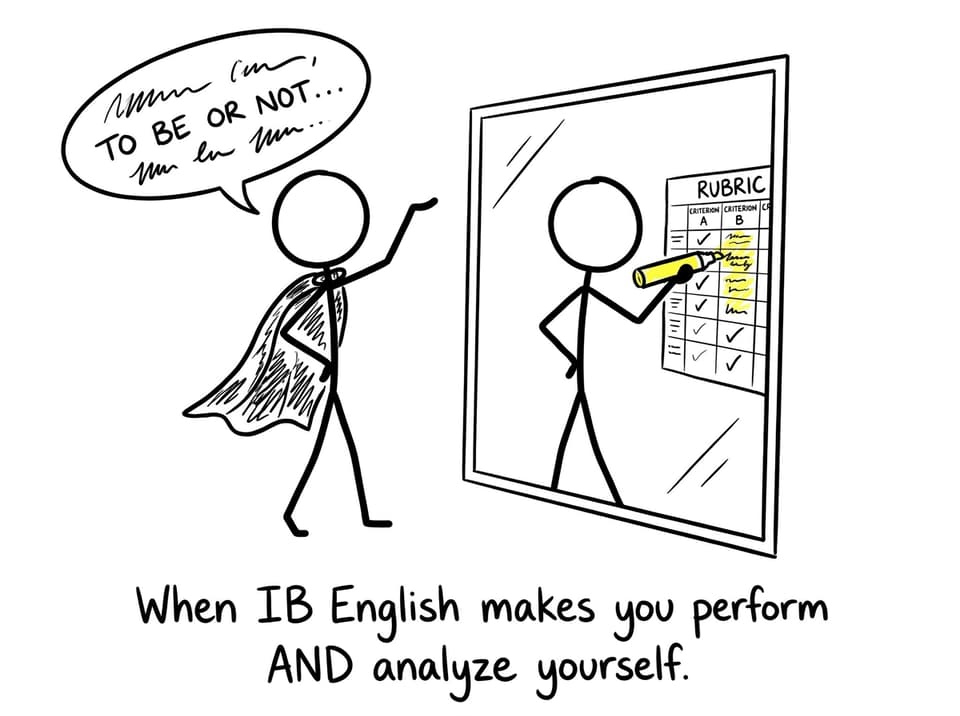
Closing: make IB English a strength, not a question mark
University admissions is rarely about the perfect course title. It’s about whether your transcript and application tell a coherent story: you chose challenge, built skills, and can perform under real constraints.
So yes, universities accept IB English A: Literature and Performance in the overwhelming majority of cases. Your job now is simpler: make your reading sharper, your writing cleaner, and your oral delivery calmer.
If you want one place to do that efficiently, RevisionDojo’s IB English resources bring together exam-style practice, step-by-step notes, flashcards, and feedback loops that actually change your next draft. Start with IB English A: Literature resources and build from there.


