There’s a particular kind of panic that shows up in IB Music.
It isn’t the panic of not being talented enough. It’s the quieter fear that you did the work… and still left marks on the table because the portfolio didn’t show what the examiner needed to see. In IB Music, polish matters. But clarity matters more: clarity of balance, clarity of thinking, clarity of process.
Below are the most common pitfalls that quietly lower marks in IB Music coursework, and the simple fixes that keep your portfolio coherent and examiner-friendly.
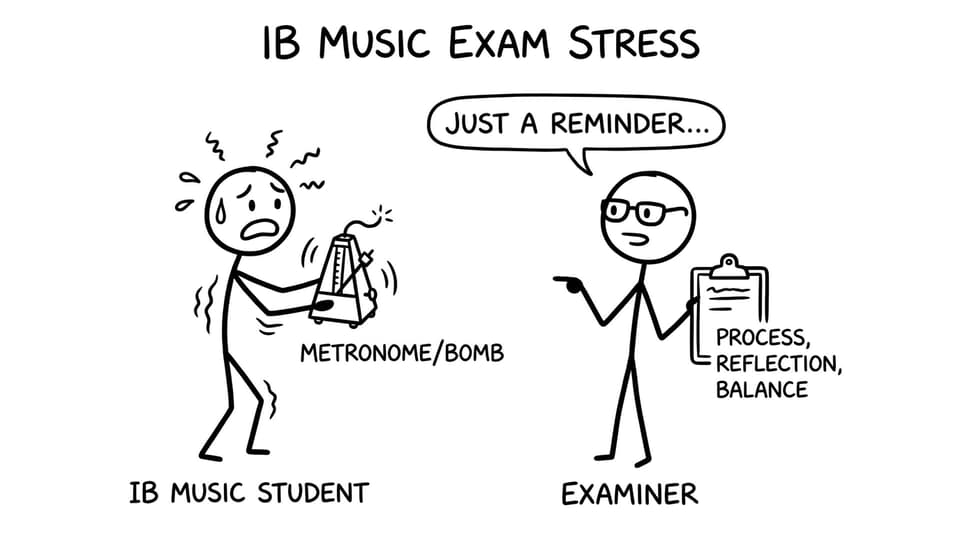
Quick checklist: the “marks leak” audit
Use this as a fast scan before you sink another weekend into recordings or edits:
-
Are Exploring, Creating, and Performing all clearly developed?
-
Do your reflections explain decisions, not just events?
-
Are your repertoire and composition ideas stretch-but-achievable?
-
Is cultural context specific, accurate, and respectful?
-
Can an examiner see your process (drafts, logs, iterations)?
-
Is the portfolio organized so nothing feels hidden?
If you want extra structure, start by skimming What Examiners Look for in IB Music Portfolios and keep it open while you review your own work.
Pitfall: putting all your effort into one lane
Most students have a comfort zone: the performer who avoids analysis, or the composer who rushes performance documentation, or the researcher who never links listening to their own music-making. But IB Music is designed to reward connection across components.
Fix: Schedule “minimum viable progress” on each strand every week. Even 30 focused minutes on a neglected component prevents last-minute gaps. If you’re not sure what each component demands, anchor your planning with IB Music Syllabus Breakdown: What Students Need to Know.
Pitfall: reflections that report instead of explain
A reflection like “this piece was difficult” is true, but it doesn’t earn much. In IB Music, reflection is where you prove musical thinking: why you chose something, what you changed, and what you learned.
Fix: Write reflections in “because” sentences:
-
I chose this texture because it mirrors the cultural function I researched.
-
I revised the harmony because the melody needed more tension.
-
I changed articulation because the style demanded lighter phrasing.
If you need models for deeper context-based writing, How to Analyze World Music Traditions for IB Coursework is a strong reference point.
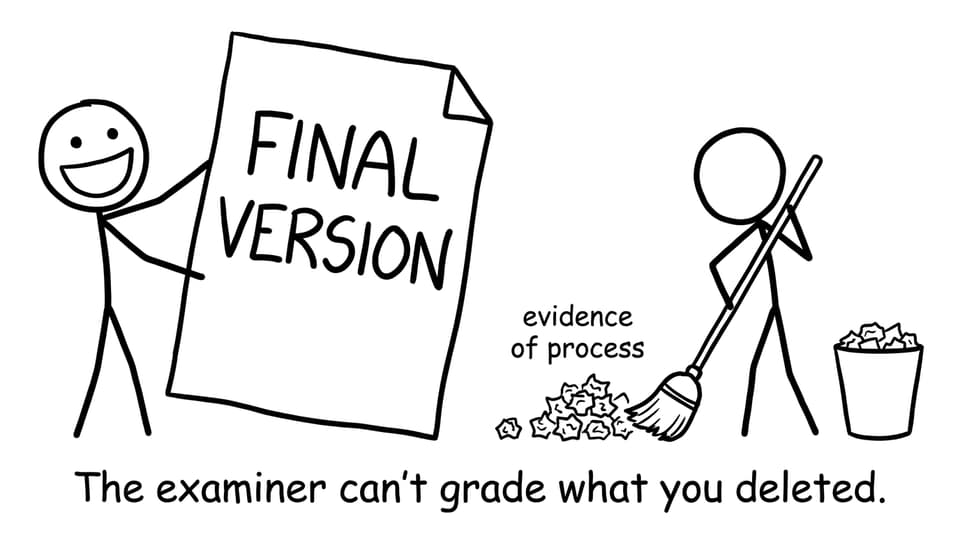
Pitfall: repertoire or themes that trap you
There are two classic traps:
-
Choosing something so easy that you can’t demonstrate development.
-
Choosing something so hard that your time disappears into survival mode.
Either way, the portfolio becomes thin. IB Music rewards control and intention, not heroic suffering.
Fix: Choose “stretch-but-achievable” work that leaves room for expression, refinement, and commentary. For exploration planning, see Best IB Music Exploration Themes for Depth and Variety. For composition direction, How to Compose Music for IB Music Coursework can help you build structure before you overproduce details.
Pitfall: cultural awareness that stays at the surface
Examiners can tell when cultural discussion is generic. “This tradition is rhythmic” is a shortcut that signals you didn’t really do the listening, research, or contextual linking.
Fix: Get specific: name musical features, connect them to function, and show respect for origin and meaning. When in doubt, focus on fewer points with more depth. You can also strengthen academic honesty and attribution using Integrity in IB Music: Original Composition and Ethical Performance.
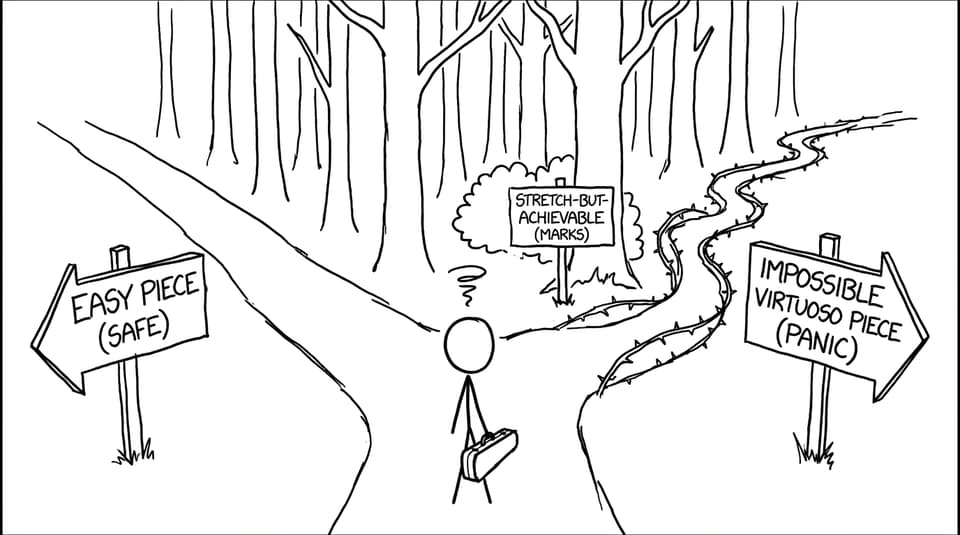
Pitfall: no visible process (only final products)
A beautiful final recording is great, but IB Music is also grading the journey: iteration, feedback, and deliberate improvement. If your portfolio looks like it appeared fully formed, the examiner can’t reward growth.
Fix: Keep evidence:
-
early drafts and annotated scores
-
rehearsal logs and practice notes
-
rough recordings (with short commentary on what changed)
Then label it clearly so it’s easy to find.
Pitfall: messy presentation that hides your best work
Presentation isn’t “graded for design,” but it affects how smoothly an examiner can understand your portfolio. Confusion costs attention, and attention is where marks live.
Fix: Make navigation effortless: consistent filenames, clear headings, and a logical sequence. Cross-reference components where appropriate so the examiner sees the connections your course is built around.
How RevisionDojo helps you avoid these IB Music pitfalls
Strong IB Music coursework needs both creativity and systems. RevisionDojo gives you that structure: use the Study Notes to clarify requirements, Flashcards to retain key terminology, and AI Chat to unblock tricky analysis questions fast. When you’re ready to test understanding under pressure, the Questionbank, Mock Exams, and Predicted Papers help you practice like it’s the real assessment. And when you need examples, feedback loops, or human guidance, the Coursework Library, Grading tools, and Tutors keep your work moving forward.
If you want a broader workflow that fits around deadlines, Best Study Routines for IB Music Coursework Deadlines pairs well with this checklist.
Closing: turn leaks into lift
The frustrating truth about IB Music is that marks often drop for reasons that aren’t musical at all: missing balance, thin reflection, invisible process, and confusing organization. The encouraging truth is that these are fixable.
Do the audit. Patch the leaks. Then use RevisionDojo to keep your system steady: build confidence with Study Notes, lock in language with Flashcards, pressure-test with the Questionbank, and stay supported with AI Chat, Grading tools, the Coursework Library, Mock Exams, Predicted Papers, and Tutors. Your portfolio should sound like you, and read like an examiner can’t look away.

