


The moment you realize your phone is a textbook
The most unsettling thing about modern technology isn’t that it changes quickly. It’s that it changes quietly.
One day you’re using an app to “stay in touch.” The next day it’s shaping what you believe, what you buy, who you trust, and how you see yourself. That’s the hidden curriculum of the internet--and it’s exactly why IB Digital Society feels more relevant than ever.
For IB students preparing for exams, IB Digital Society is not a niche subject about gadgets. It’s a course about power, culture, ethics, and inequality in a world where the digital layer sits on top of everything. If you can learn to analyze that layer calmly and clearly, you don’t just earn marks. You build a skill that travels with you.
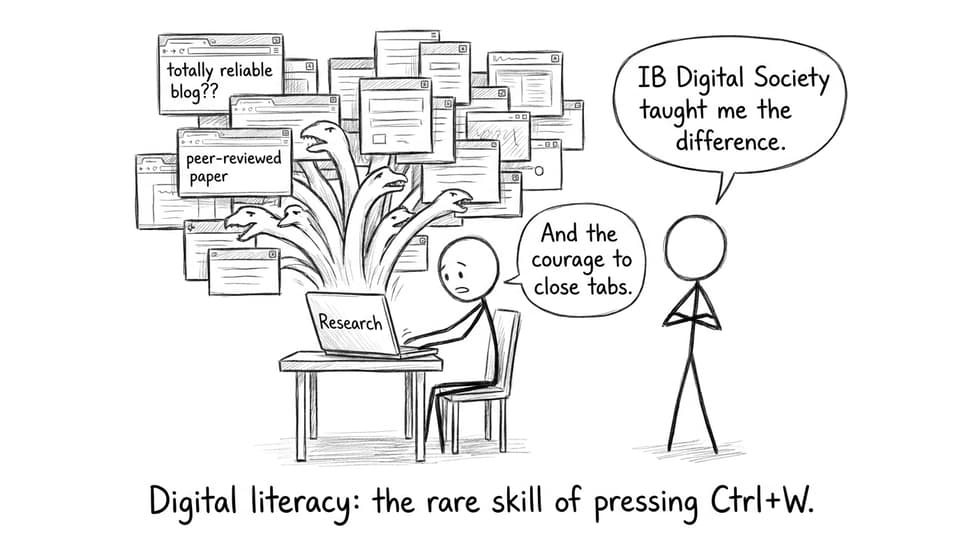
Quick checklist: why IB Digital Society matters right now
Use this as a fast revision compass when you’re deciding what to focus on in IB Digital Society:
-
Digital systems shape identity, relationships, and community norms
-
Algorithms influence information, politics, and polarization
-
AI raises real ethical questions about responsibility and bias
-
Privacy and surveillance are everyday trade-offs, not theory
-
The digital divide is a modern form of inequality
-
Exams reward analysis and evaluation, not description
If you want a clear course hub for practice and content, start with IB Digital Society Resources.
Technology stopped being a “topic” and became the setting
A useful way to think about IB Digital Society is this: technology is no longer one unit in your life. It’s the setting where life happens.
School announcements arrive through platforms. Political debates spread through feeds. Friendships are maintained by streaks, reactions, and group chats. Even your attention span is partially negotiated with notification badges.
This is why the subject feels so contemporary in exams. When you write about digital culture or power, you’re not reaching for distant history. You’re analyzing the air around you--and examiners can tell when a student is awake to that reality.
To deepen your conceptual framing (and collect usable examples), read Key Themes in IB Digital Society Explained.
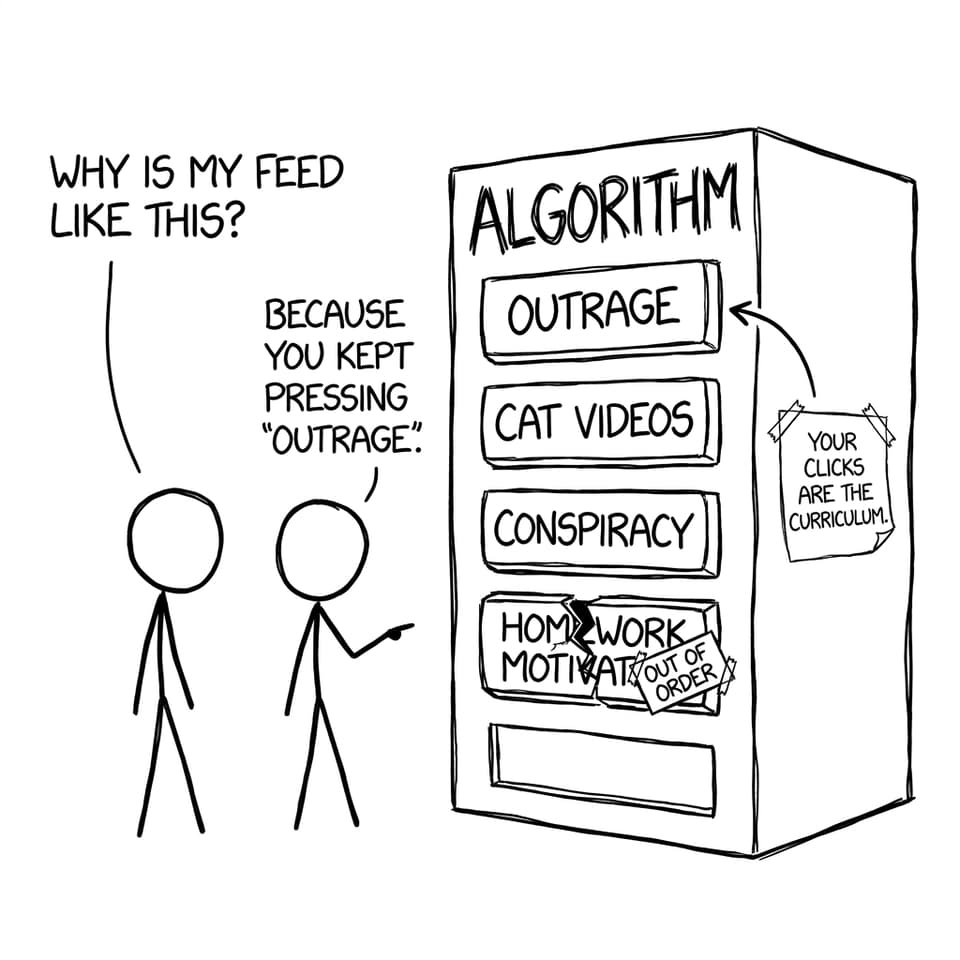
The exam advantage: digital literacy beats digital familiarity
Most students feel digitally fluent. But IB Digital Society rewards something rarer: digital literacy.
Digital literacy means you can:
-
Evaluate sources without panic
-
Explain how algorithms shape what people see
-
Spot bias, incentives, and missing perspectives
-
Make a reasoned judgment with evidence
In other words, you move from “I saw this online” to “Here is why this system produces these outcomes.” That shift is where marks live.
If you want a reality check on what the course actually assesses, Common Misconceptions About IB Digital Society Explained is worth ten minutes.
Ethics is no longer optional
A decade ago, ethical debates about technology felt like philosophy class. Today they show up as pop-ups, terms of service, and workplace policies.
IB Digital Society gives you a structured way to handle questions like:
-
Who should be accountable when an AI system causes harm?
-
What counts as informed consent in a data economy?
-
When does “security” become surveillance?
Exams love this area because it naturally creates multiple perspectives: individual vs society, innovation vs regulation, convenience vs rights. If you can weigh trade-offs and justify a conclusion, you’re doing IB Digital Society the way the markbands want.
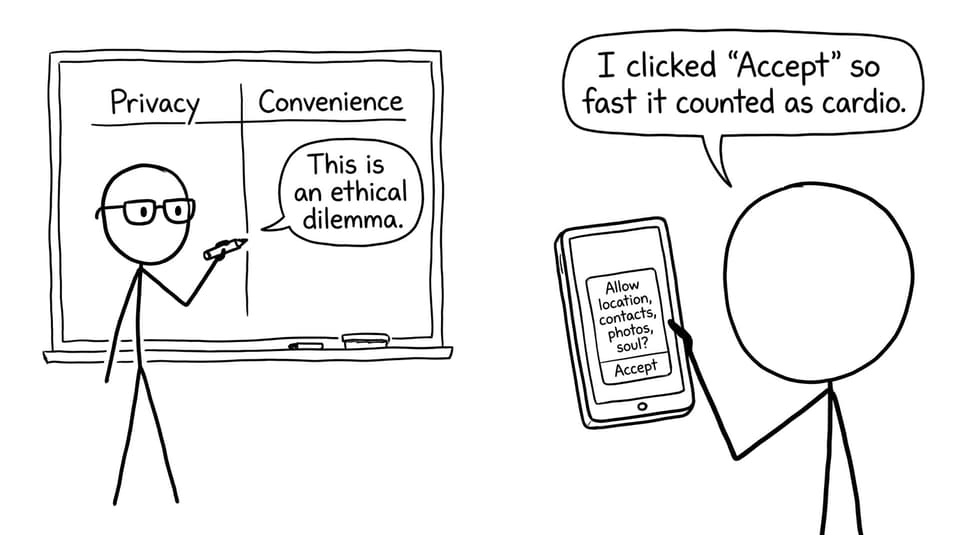
Inequality looks different when it’s digital
The digital divide isn’t just about who has Wi‑Fi. It’s about who gets opportunities.
Access shapes education, health information, political voice, and even which jobs are possible. And because digital systems scale quickly, inequality can scale with them.
This is another reason IB Digital Society stays relevant: it connects personal experience (your own digital life) to global patterns (access, labor, policy, infrastructure). That combination produces strong evaluation, because you can show both human impact and structural cause.
How to revise IB Digital Society without drowning in examples
The trap in IB Digital Society revision is collecting endless case studies and forgetting the concepts.
Try this simple loop instead:
-
Patch understanding with RevisionDojo Study Notes and Flashcards
-
Convert ideas into marks using the Questionbank (timed, topic-specific)
-
Ask AI Chat to challenge your claim: “What would a critic say?”
-
Use Grading tools or the Essay Marker style feedback to tighten evaluation
-
Simulate pressure with Mock Exams and Predicted Papers
For a full strategy map, keep Ultimate Survival Guide for IB Digital Society Students open while you plan your week.
And if you’re building coursework momentum, these two help a lot: Digital Society Coursework Guides and How to Write a Strong IB Digital Society IA Research Question.
Conclusion: relevance is a revision advantage
Subjects stay relevant when they explain the world students actually live in. IB Digital Society does that with unusual precision: it trains you to see the incentives inside platforms, the ethics inside convenience, and the power inside data.
If you want to turn that relevance into exam performance, build your routine around RevisionDojo: Study Notes to clarify concepts, Flashcards to lock definitions, Questionbank to earn marks, Mock Exams and Predicted Papers to rehearse pressure, plus Tutors when you want a human to sharpen your argument.
Start here and keep it simple: IB Digital Society Resources.
