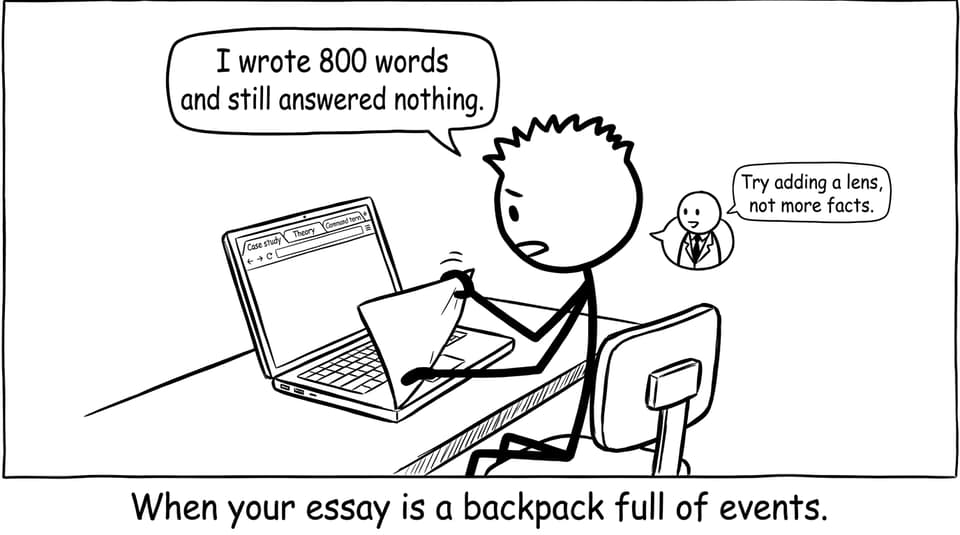
In IB Global Politics, there’s a moment most students recognize: you’ve memorised the case study, you can recount the timeline perfectly, and yet the essay still feels… thin. Like you’ve built a house out of facts and forgot the frame.
That frame is theory. In IB Global Politics, theories aren’t decorative. They’re the tool that turns “what happened” into “why it happened” and “so what.” Examiners reward that shift because it’s where analysis lives.
The quick checklist: what theory does for an IB Global Politics essay
-
Stops your answer becoming a narrative summary
-
Gives you a lens to explain causes, actors, and incentives
-
Helps you compare perspectives (and earn evaluation marks)
-
Links course concepts (power, sovereignty, legitimacy) to evidence
-
Improves paragraph structure and line of argument
If you want a syllabus-aligned home base for IB Global Politics theory, concepts, and practice, start with IB Global Politics Resources.
Theory is how IB Global Politics moves beyond description
A descriptive paragraph often sounds confident: dates, institutions, names, consequences. But in IB Global Politics, description is only the entry ticket. Theory explains mechanisms.
For example, when writing about conflict, a realist lens can foreground security dilemmas and power competition. A liberal lens can focus on institutional design, cooperation, and interdependence. A constructivist lens asks how identities and norms shape interests. Same world, different explanations.
To connect those lenses to examinable content, RevisionDojo’s topic notes make it easier to revisit key areas quickly, like Peace and conflict notes.
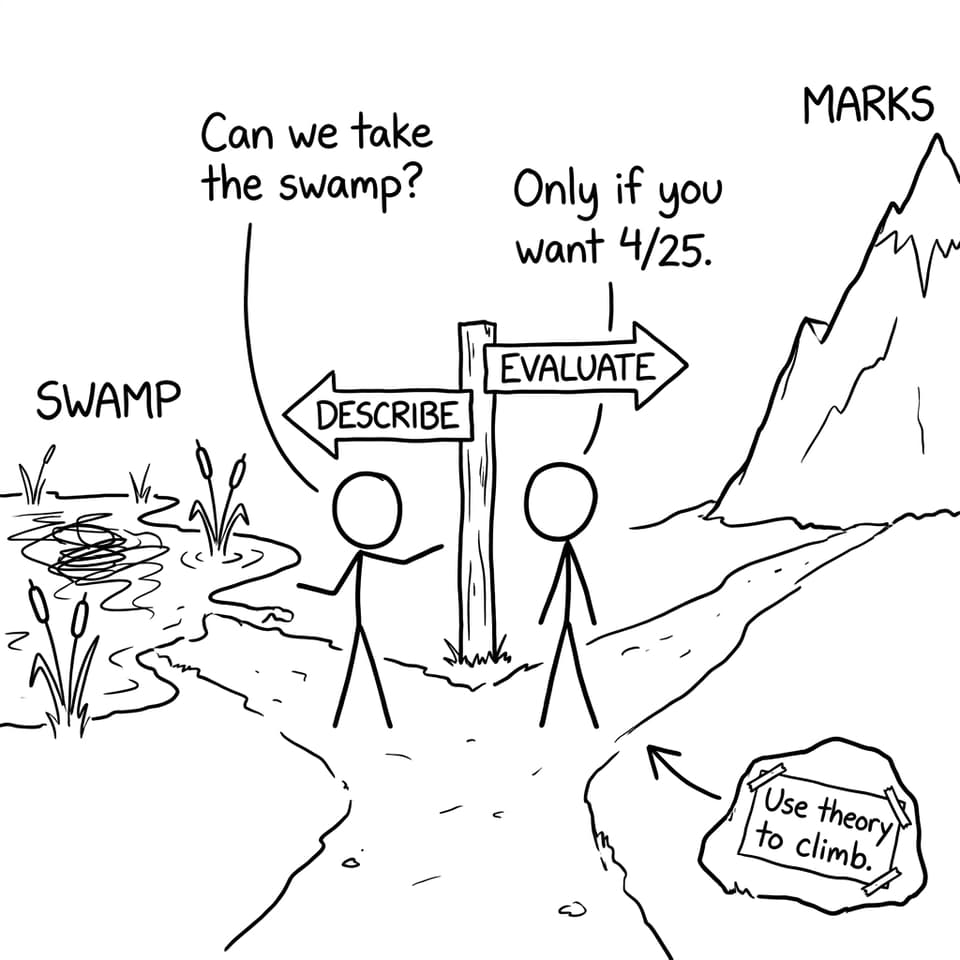
Theories unlock comparison and evaluation (the marks live here)
Many IB Global Politics Paper 2 prompts quietly beg for evaluation: discuss, evaluate, to what extent. Those command terms demand judgement, not just knowledge.
Theory helps because it naturally creates comparison. If realism explains the behaviour of states well but struggles to account for norm-driven humanitarian action, that tension becomes evaluation. You’re not just stacking points; you’re weighing them.
For structure support, borrow the workflow from How to Structure IB Global Politics Paper 2 Essays and pair it with How to Use Command Terms Effectively in IB Exams.
Theory connects concepts to case studies (without becoming vague)
The syllabus is concept-driven, and IB Global Politics rewards students who can operationalize concepts like legitimacy, sovereignty, and interdependence.
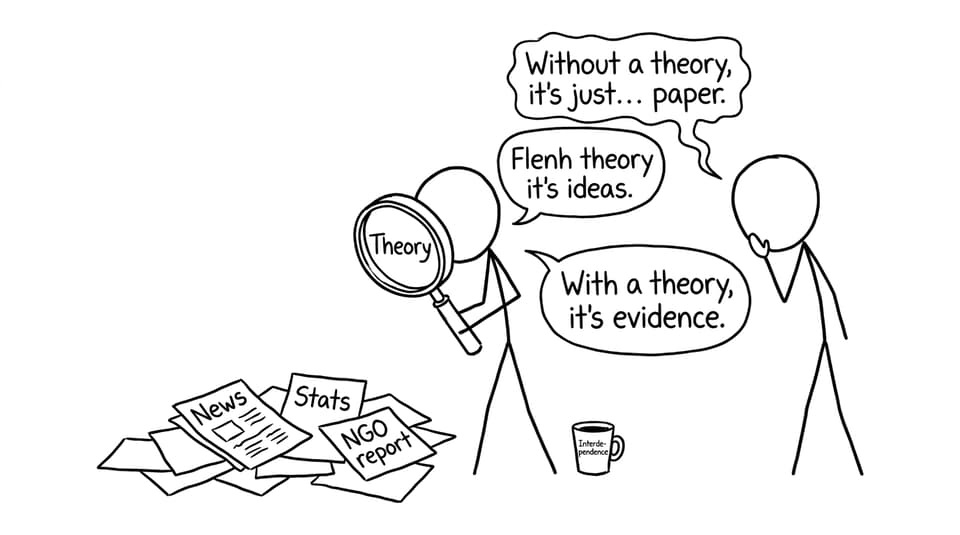
Theory is what makes that operationalization concrete. Instead of saying “power matters,” you explain how power is exercised, which actors shape outcomes, and why certain responses are seen as legitimate. Your case study becomes evidence, not a story.
To keep your concept definitions and examples tight, use RevisionDojo’s linked ecosystem: Study Notes to clarify, Flashcards to retain, and the Questionbank to pressure-test. A good general workflow is explained in Digital IB Study Notes: Access Anywhere, Anytime.
Theory also improves structure and coherence
A theory-led paragraph is easier to control:
-
Claim (answer the question)
-
Lens (name the theory and the mechanism)
-
Evidence (case study detail)
-
Evaluation (limits, counter-theory, conditions)
-
Link (back to the question)
If you want a universal way to keep paragraphs “markscheme-visible,” RevisionDojo’s Structure IB Answers to Maximize Marks is a reliable template.
How to use theory correctly (without name-dropping)
Examiners don’t need a list of theorists. In IB Global Politics, what matters is accurate, relevant application.
A simple rule: use fewer theories, more precisely. Define the lens in one sentence, then use it to explain your evidence. If you can’t show what the theory does to your argument, it’s probably fluff.
When you want feedback on whether your theory is actually earning marks, RevisionDojo’s grader helps you practice with criteria in mind: IB Global Politics Paper 2 Grader.
Conclusion: theory is the difference between “knowing” and “scoring”
In IB Global Politics, theory is what turns your case studies into arguments, your concepts into analysis, and your paragraphs into evaluation. It’s the quiet upgrade from reporting the world to explaining it.
If you want to build that skill fast, use RevisionDojo as a loop: Study Notes to clarify theory, Flashcards to keep concepts retrievable, the Questionbank to practice under exam conditions, AI Chat to get unstuck, and Grading tools plus Mock Exams and Predicted Papers to make your writing exam-ready. Start with Understanding IB Global Politics: A Comprehensive Guide and then practice directly inside IB Global Politics Resources.


