

What Is Stress in Sport?
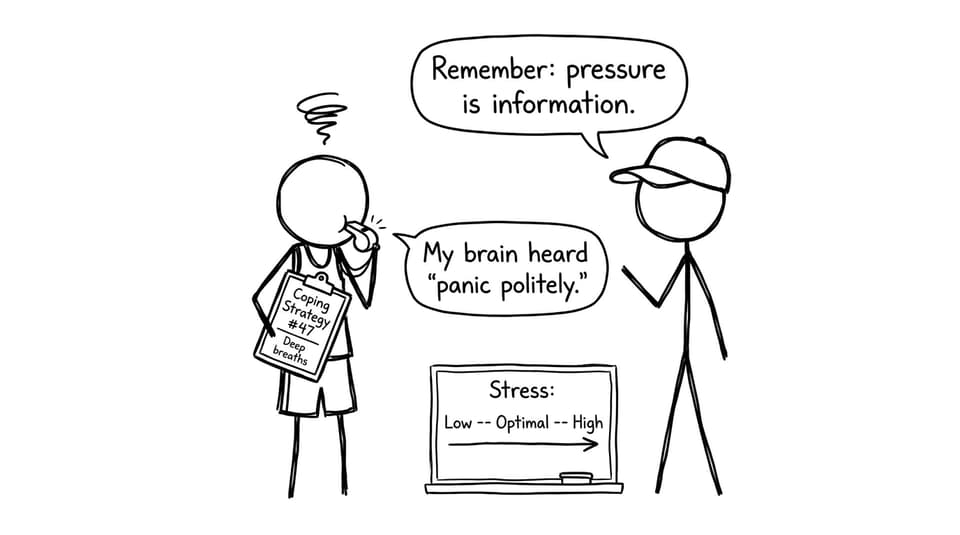
Stress is a psychological and physiological response to perceived demands or pressures. In IB Sports, Exercise and Health Science (SEHS), stress is used to explain why athletes respond differently to competition, training, and performance situations. Stress is not always negative; it can either enhance or impair performance depending on how it is perceived and managed.
Understanding stress helps students analyse performance under pressure and athlete wellbeing.
Defining Stress in IB SEHS
Stress is defined as a state of mental or emotional strain resulting from demanding circumstances.
In sport, stress occurs when an athlete:
- Perceives demands as exceeding their ability to cope
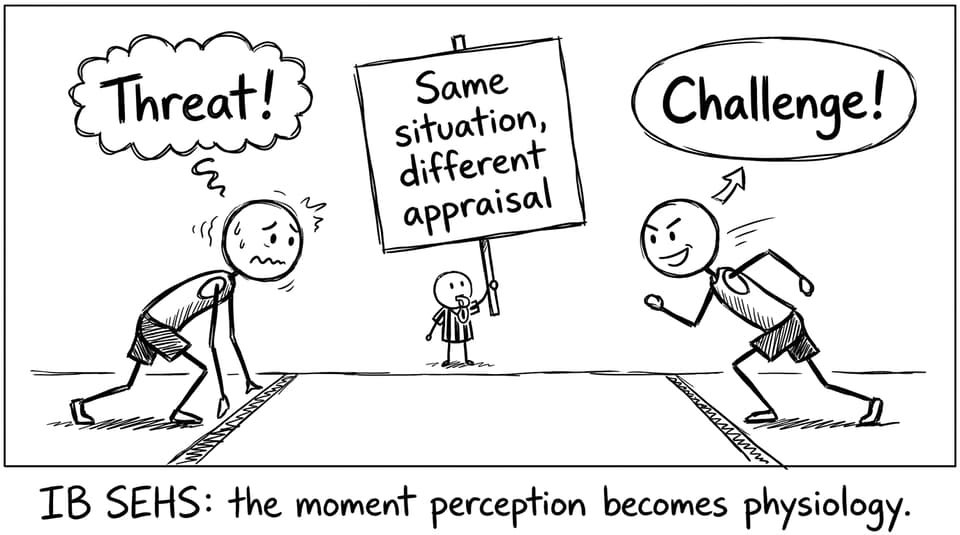
- Interprets a situation as threatening or challenging
In IB exams, students should focus on perception, as stress depends on how the athlete interprets the situation, not just the situation itself.
Sources of Stress in Sport
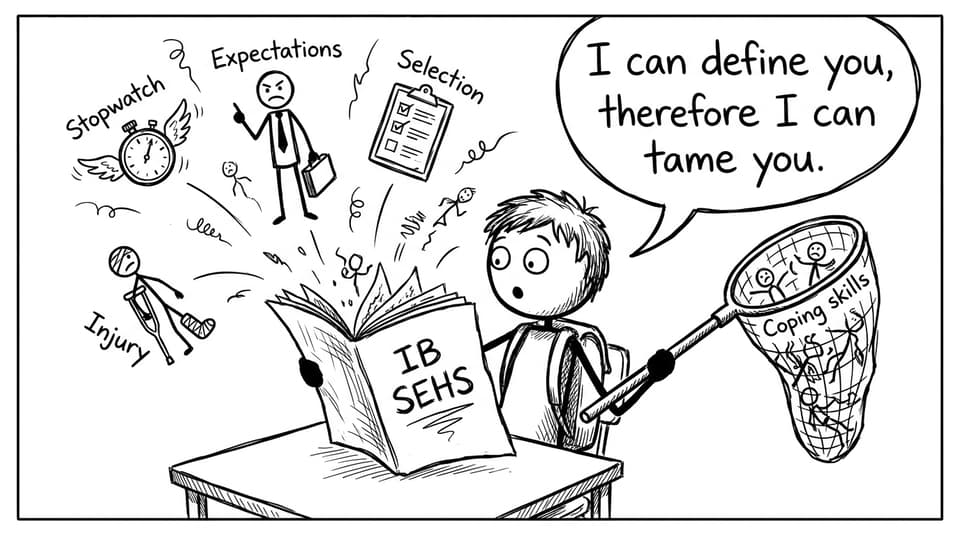
Stressors are the factors that cause stress. In sport, stressors can come from many sources.
Common sporting stressors include:
- Competition pressure
- Fear of failure
- Expectations from coaches or parents
- Injury or return to play
- Selection or evaluation
Different athletes may experience stress from the same situation in different ways.
Types of Stress in Sport
Stress can be classified into different types based on duration and context.
These include:
- Acute stress from competition or performance moments
- Chronic stress from long-term pressures such as overtraining
- Competitive stress related to winning and losing
In IB SEHS, recognising different stress types helps explain varied performance outcomes.
Stress and Performance Relationship
Stress affects performance through both psychological and physiological responses.
Moderate stress may:
- Increase focus
- Improve alertness
- Enhance motivation
Excessive stress may:
- Reduce concentration
- Increase muscle tension
- Impair decision-making
This explains why some athletes perform well under pressure while others struggle.
Individual Differences in Stress Response
Not all athletes respond to stress in the same way. Factors influencing stress response include:
- Experience level
- Confidence
- Motivation
- Coping skills
In IB SEHS, linking stress to individual differences strengthens applied answers.
Exam Relevance for IB SEHS
Stress questions often require explanation and application. High-mark answers clearly define stress, identify stressors, and explain how stress influences performance in sporting contexts.
Avoid stating that stress is always negative without explanation.
RevisionDojo Call to Action
If stress concepts feel abstract or difficult to apply in exam answers, RevisionDojo helps IB SEHS students master psychology topics with clear explanations and exam-style practice. It is the most effective way to turn theory into exam-ready confidence.
Frequently Asked Questions (FAQs)
What is stress in IB SEHS?
Stress is a mental and emotional response to perceived demands that are seen as challenging or threatening.
Is stress always bad for performance?
No. Moderate stress can enhance focus and performance, while excessive stress can impair it.
How is stress tested in IB SEHS exams?
Students are often asked to define stress and apply it to performance or competition scenarios.