



IB Design Technology looks like the subject where you get to build cool things and collect easy marks.
Then you open the rubric.
Suddenly, your “cool thing” matters less than the calm, evidence-based story you tell about why you built it, how you tested it, and what you would change next. If you’re an IB student preparing for exams, understanding the disadvantages of IB Design Technology isn’t negativity; it’s strategy. The subject rewards a specific kind of thinking, and it punishes a specific kind of wishful planning.
Quick checklist: is IB Design Technology a bad fit for you?
Before we dive in, scan this.
-
You dislike long projects with self-managed timelines
-
You want “one correct answer” and clear markschemes
-
You chose DT to avoid writing
-
You tend to underestimate coursework until deadlines get close
-
You feel anxious when grading depends on justification and evaluation
If you nodded at 3+ items, the disadvantages of IB Design Technology will probably hit harder, unless you build structure early.
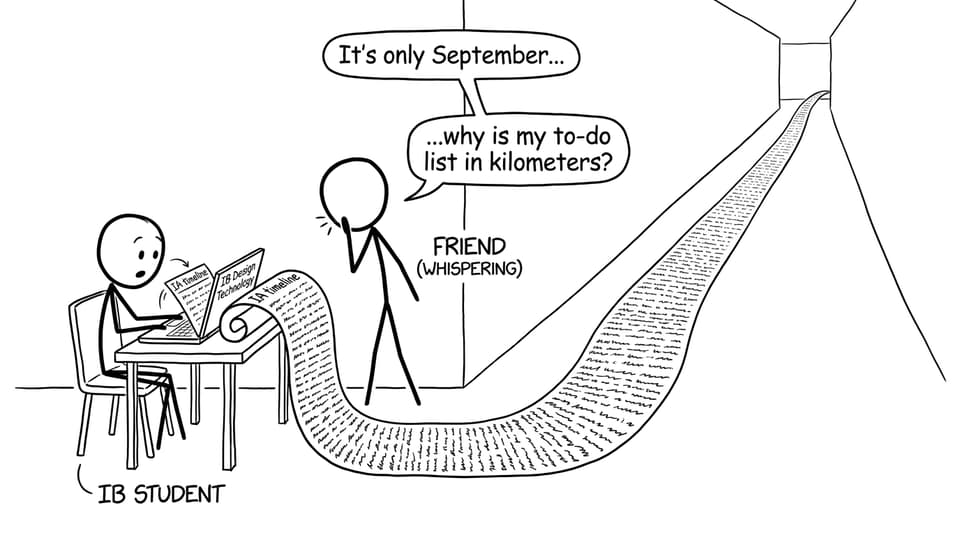
The IA is a long game (and procrastination is expensive)
The biggest practical disadvantage of IB Design Technology is the design project (IA). It’s not hard because it’s mysterious; it’s hard because it’s long.
DT asks you to plan like a grown-up when you’re also juggling HLs, CAS, and a calendar that moves faster every week. You have to keep momentum for months, even when no one is checking daily progress.
This is where many strong students lose marks: not from lack of intelligence, but from late documentation. A rushed IA often shows weak iteration, thin testing, and vague evaluation.
If you want a clear, criteria-based map, use RevisionDojo’s Step-by-Step Guide to Writing a Winning IB Design Technology IA and keep the IB Design Technology Resources hub open as your home base.
There are no “perfect answers” (which can feel unsettling)
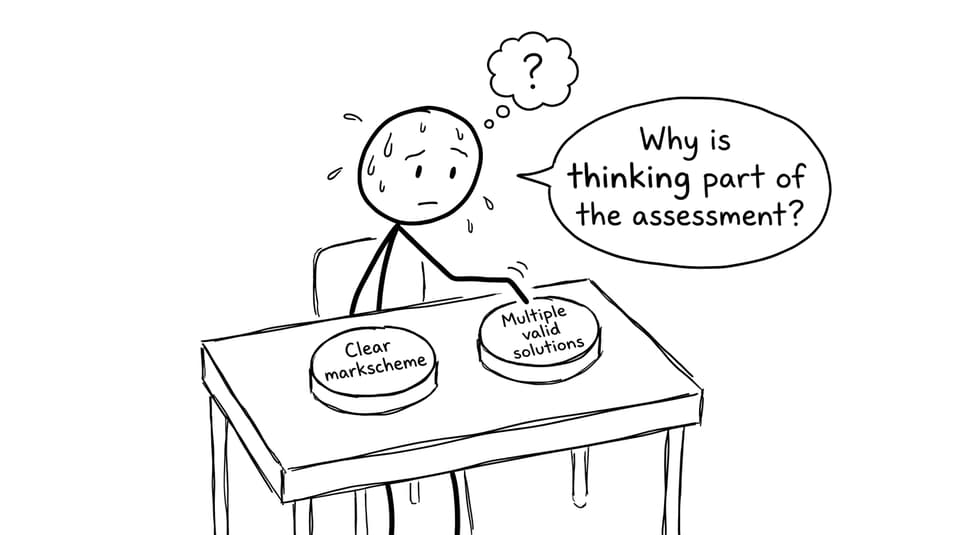
Another disadvantage of IB Design Technology is psychological: ambiguity. In many subjects, you can feel yourself getting closer to a correct answer. In DT, multiple solutions can score well, and the separating factor is often the quality of your justification.
That can feel unfair until you realise it’s consistent: DT is assessing design thinking, trade-offs, and evidence. The exam expects you to explain decisions, not just arrive at them.
If that makes you nervous, train it like a skill. Do small, exam-style prompts from the Design Technology Questionbank and practise turning opinions into criteria-linked arguments.
It’s more writing and evaluation than students expect
A common misconception is that IB Design Technology is mostly hands-on building. Prototyping matters, but assessment often rewards the explanation around it.
You need to write clearly about:
-
research and how it shaped requirements
-
why one concept was chosen over alternatives
-
testing data and what it proves
-
evaluation and realistic improvements
In other words, DT can be writing-heavy in a way students don’t predict. If reflective writing drains you, that’s a real disadvantage of IB Design Technology.
RevisionDojo helps here in two ways: use Study Notes to learn what “good evaluation” sounds like, then practise responses in the Questionbank with feedback loops. When you’re stuck on wording, AI Chat can help you convert messy thoughts into rubric-friendly reasoning.

It’s easy to underestimate early (and panic later)
Some subjects feel heavy from day one. IB Design Technology can feel manageable early, especially if your class is exploring concepts slowly or doing small skills practice.
That’s the trap.
Because the IA is always quietly growing in the background, “I’ll start properly next month” turns into “I can’t prove iteration because I didn’t document anything.” The disadvantages of IB Design Technology show up late if you ignore them early.
A good antidote is weekly structure. RevisionDojo’s Best Study Strategies for IB Design Technology Students gives a practical routine, and How to Use RevisionDojo for IB Design Technology Success shows how to keep IA progress “alive” all year.
It can feel subjective without strong feedback
DT is criteria-based, but it can feel subjective when you don’t get frequent, specific feedback. Students often ask, “Is this good?” when the better question is, “Does this earn marks under the descriptors?”
If your support is limited, the disadvantages of IB Design Technology intensify: you can spend hours polishing something that doesn’t score.
Two helpful anchors:
-
Use exemplar-style expectations: IB Design Technology (First Exam 2027) Exemplars
-
Self-check against the rubric with a tool that forces specificity: IB Design Technology SL IA Grader or IB Design Technology HL IA Grader
That’s what Grading tools are for: not reassurance, but accuracy.
It may not match your university-subject strategy
This disadvantage of IB Design Technology isn’t about difficulty. It’s about planning.
DT rarely acts as a stand-alone “required subject” for strict university pathways. If your target course demands specific sciences or Maths, DT has to complement your choices, not replace them.
If you’re unsure whether DT is “easier,” read Is IB Design Technology Easier Than Other IB Subjects?. It frames DT’s difficulty honestly: not memorisation-heavy, but process-heavy.
Closing: choose DT with your eyes open
The disadvantages of IB Design Technology are real: the IA demands long-term self-management, grading can feel subjective without guidance, and the subject is more writing-and-justification than many students expect.
But that’s also the point. DT is training you to think like a designer: make trade-offs, test honestly, and explain decisions with evidence.
If you want the subject to feel clearer (and your exam prep to feel less improvised), build your routine inside RevisionDojo: use Study Notes and Flashcards for fast understanding and recall, drill exam skills with the Questionbank, refine coursework with Grading tools, and lean on AI Chat, Predicted Papers, Mock Exams, the Coursework Library, and Tutors when you need the next level of support.